
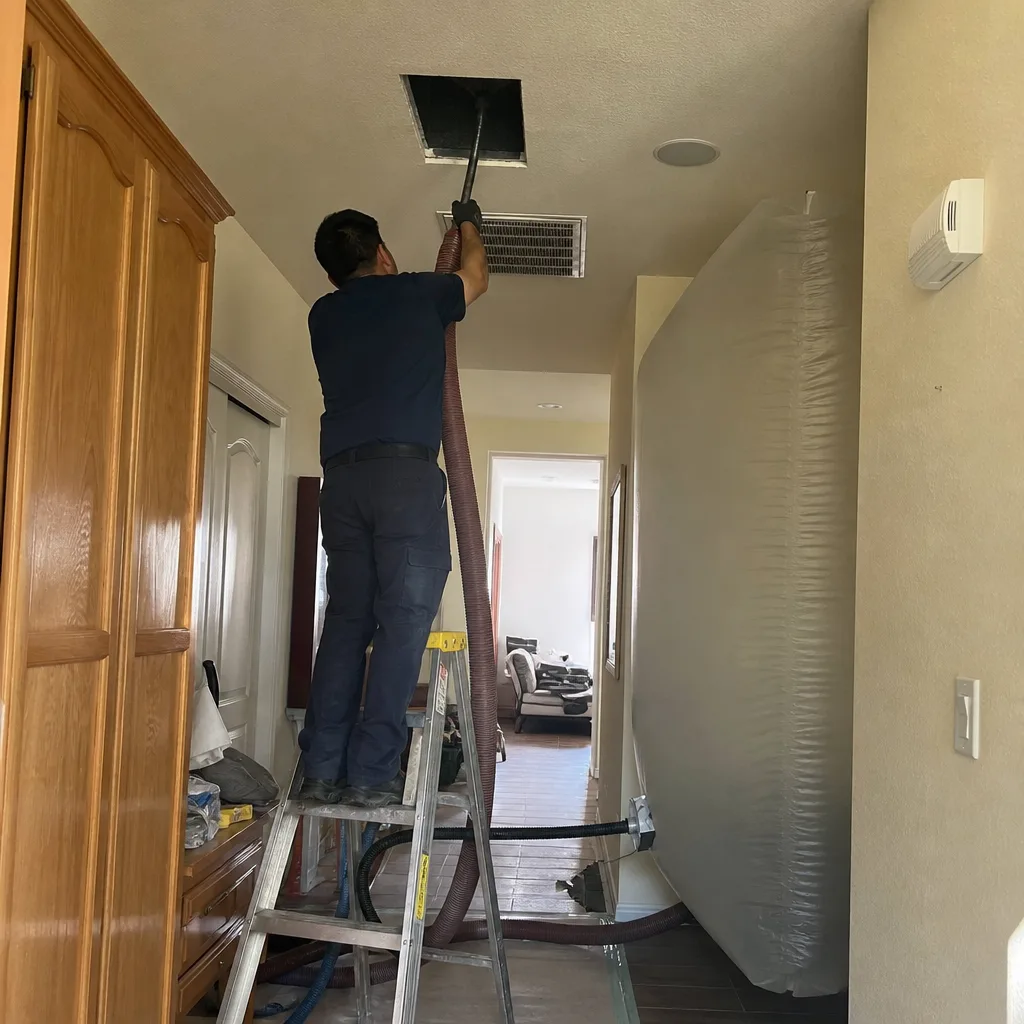
Last updated November 14, 2026
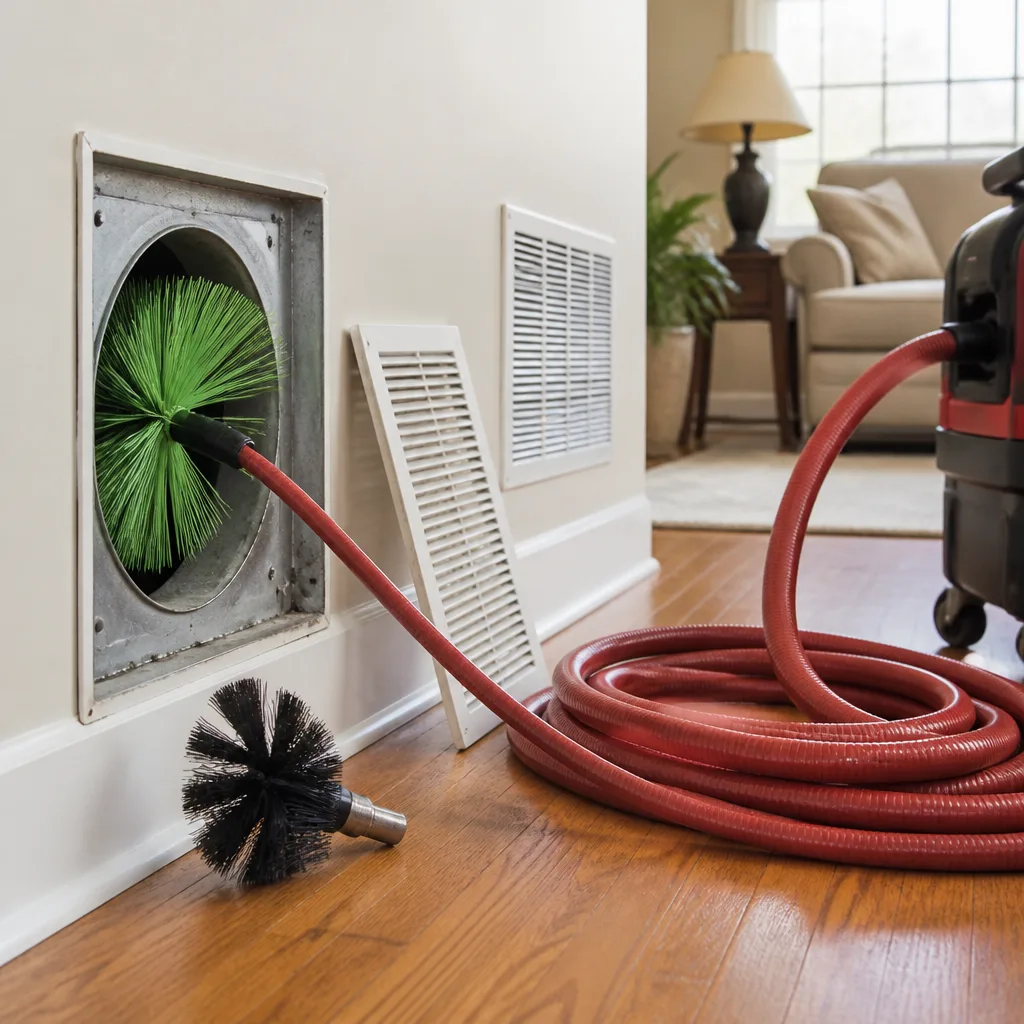 Whole-home duct cleaning
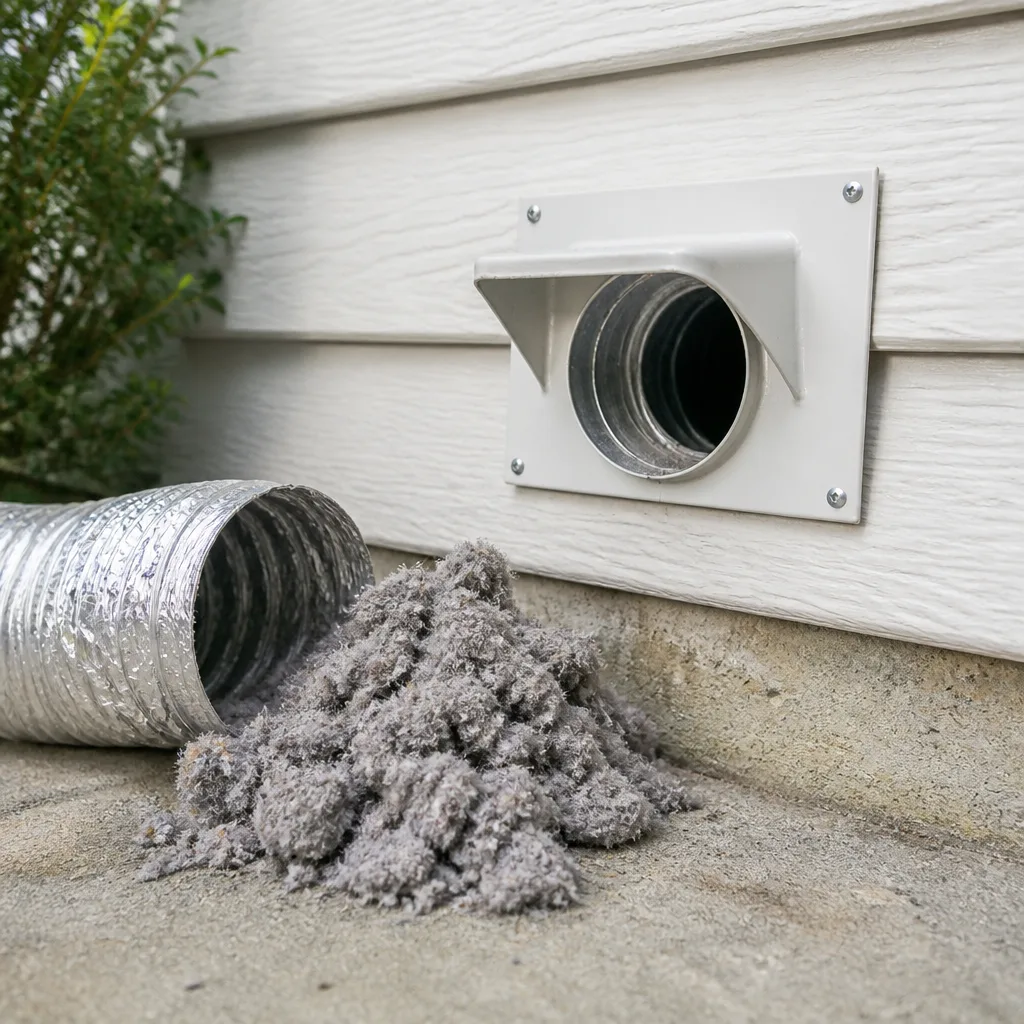 Dryer vent cleaning
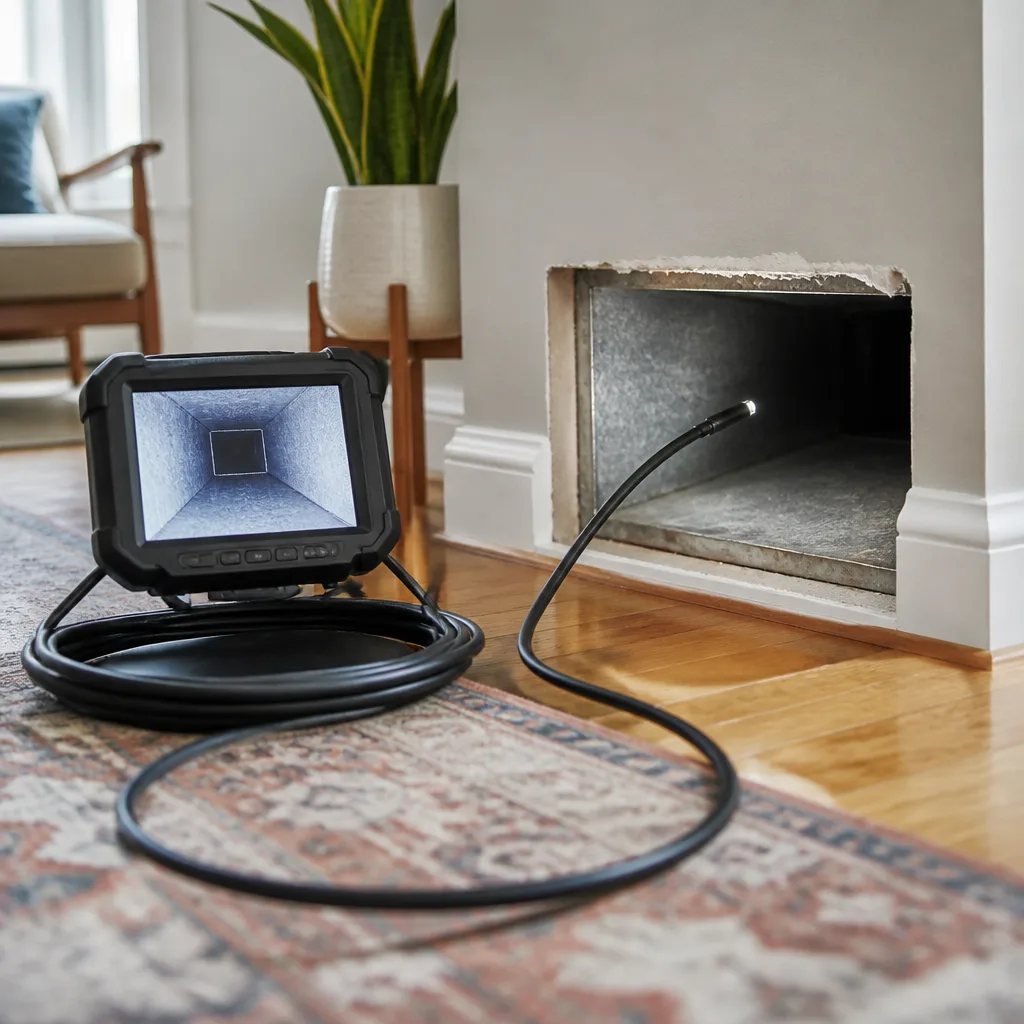 Camera inspection
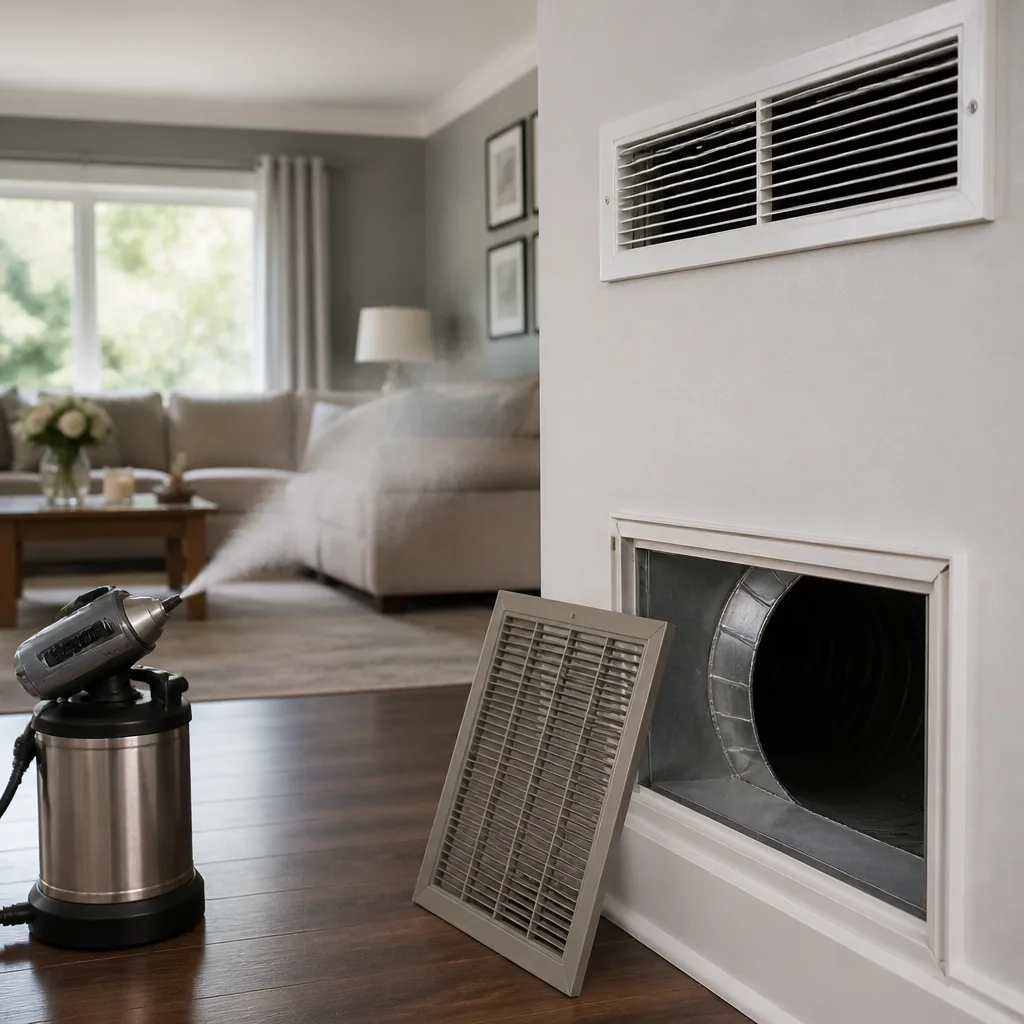 Sanitizing & deodorizing
Whole-system duct and dryer vent check with before-and-after photos - you see exactly what came out of your vents
That "$99 whole-house special" is a bait ad - the real number appears once they are in your hallway, or the "clean" is a shop-vac at the register. We photograph the inside of your ducts before and after instead.
The Complete Guide to Air Duct Cleaning in Salinas
Most duct cleaning guides are written for Phoenix or Atlanta. Salinas sits downwind of one of the most intensively farmed valleys in North America, and the particulate profile inside your ducts reflects that. The Salinas Valley grows much of the nation’s lettuce and leafy greens, and the soil, dust, and airborne material that comes with that work settles into homes across the city. Add Monterey Bay marine air pushing inland and the seasonal fog cycles that keep humidity high, and you get a fouling pattern that generic guides don’t address. Over the next few thousand words we’ll map what actually accumulates in Salinas ducts, why it accumulates faster than in dry inland towns, and what a legitimate cleaning looks like from first call to final inspection.
Quick Answer
Air duct cleaning in Salinas means removing accumulated soil dust, agricultural particulates, and moisture-driven buildup from the entire duct system using negative-pressure equipment and mechanical agitation, not a shop vacuum at the registers. A proper job includes the air handler, plenum, trunk lines, branch runs, and every supply and return register, with before-and-after documentation. Because Salinas sits downwind of intensive farmland and under marine humidity, ducts here foul faster than in dry inland California, so the cleaning interval is generally shorter.
Styles & brands we work with
- Whole-home duct cleaning
- Dryer vent cleaning
- Camera inspection
- Sanitizing & deodorizing
Table of Contents
- Why Salinas Ducts Get Dirty Faster Than You’d Expect
- What Actually Accumulates Inside Salinas Ducts
- The Equipment Standards That Separate a Real Job from a Bait-and-Switch
- What a Technician Should Physically Do, Step by Step
- How Salinas Housing Stock Affects Contamination and Cleaning Method
- What Documentation You Should Receive at Job Completion
- Dryer Vent Cleaning: The Fire-Safety Service Most Companies Skip
- Air Duct Repair: Why Cleaning and Fixing Belong in the Same Visit
Why Salinas Ducts Get Dirty Faster Than You’d Expect
Salinas sits in a bowl at the northern end of the Salinas Valley, with the Santa Lucia range to the west and the Gabilan range to the east. That geography traps air. Agricultural dust kicked up by field work and wind doesn’t blow straight out to the Pacific – it settles, and some of it settles into your home’s return system. Homes here pull that air through the HVAC system every time the fan runs. The filter catches some of it. The rest ends up coating the inside of the ductwork.
The marine layer adds a second factor. Cold Pacific air pushes inland through the Salinas Valley gap, and the fog that follows keeps relative humidity elevated through much of the year. High humidity doesn’t just feel heavy. It makes fine dust stick to duct surfaces instead of blowing through, and it gives any biological material in the system a reason to stay viable. Dust that would stay loose in a dry climate clings in a humid one.
Then there’s the seasonal cycle. Spring and summer bring heavy field activity and more airborne soil material. Fall and winter bring fog and higher moisture. The result is a duct system that gets loaded with particulates during the growing season and then holds onto them through the damp months. That’s why the fouling pattern in Salinas homes looks different from what you’d see in Fresno or Redding, and why the cleaning interval here is generally shorter than national averages suggest.
Duct Cleaning Salinas works across the city and the surrounding valley, and the pattern holds whether we’re looking at a home near Oldtown or one out toward Boronda.
What Actually Accumulates Inside Salinas Ducts
People picture dust bunnies. The reality in Salinas is more specific, and it’s worth knowing what’s sitting in your system before you decide whether to clean it.
- Fine mineral soil. Salinas Valley soil is mineral-rich and fine-grained. Once it’s airborne and gets pulled into a return, it settles in the low spots of horizontal runs and coats the bottom of every trunk line.
- Agricultural particulate. Field dust, pollen from crops and surrounding vegetation, and general airborne organic material that rides on the valley’s air currents.
- Pet and human dander. Standard household content, but it binds with the soil dust and forms a denser layer than either would alone.
- Moisture-driven biological growth. High humidity plus organic dust equals a surface that can support mold and mildew in the right conditions, particularly in duct runs that pass through unconditioned spaces.
- Construction and renovation debris. Drywall dust, sawdust, and insulation fibers left behind from remodels. Many Salinas homes have had at least one major renovation, and the duct system often captures what the remodel kicked up.
- Pest evidence. Rodent droppings and nesting material in ducts are not rare in older homes. This is a category that requires proper containment during cleaning, not just a vacuum.
That last point matters. When a technician finds rodent contamination or visible biological growth, the cleaning has to be handled with air filtration equipment that captures airborne particles at the source. That’s why we run Abatement Technologies air filtration on jobs where contamination is present – it’s the same category of equipment used in mold remediation and hazardous-material environments, and it keeps what’s disturbed from spreading through the home.
The Equipment Standards That Separate a Real Job from a Bait-and-Switch
This is where most homeowners get taken. A company shows up with a shop vacuum, runs a hose down a few registers, and charges a price that sounded great on the phone. Nothing is actually removed from the system. The dust gets loosened and then settles back. Two weeks later the homeowner is calling someone else.
Here’s what real equipment looks like, in plain terms:
- A negative-pressure machine with HEPA filtration. This is the core tool. It creates suction at the main trunk or air handler, so the whole system is under negative pressure while work happens. Anything loosened inside gets pulled toward the machine and captured, not pushed into the living space. The HEPA filter traps fine particles rather than exhausting them back into the room.
- A mechanical agitation tool. Suction alone doesn’t remove caked-on soil. A rotary brush or air whip has to physically scrub the duct walls while the negative-pressure machine holds the debris. We use Rotobrush and Nikro systems because they’re built for this – commercial-grade agitation and containment in one setup, not a consumer-grade vacuum with a long hose.
- Containment and air filtration at the work area. When contamination is present, the air in the work zone needs to be filtered independently, so particles that go airborne are captured instead of drifting through the house.
- Register-level access tools. Every supply and return needs to be opened, cleaned, and sealed back properly. That means removing the grille, cleaning the boot, and reseating it – not just vacuuming the visible face of the register.
If a company can’t tell you what negative-pressure equipment they run and whether it’s HEPA-filtered, that’s the moment to ask harder questions. Professional-grade equipment, not shop-vac shortcuts, is the whole difference between a real cleaning and a visit that leaves the system dirtier than it started.
What a Technician Should Physically Do, Step by Step
Promises are cheap. Here’s the physical sequence a legitimate job follows, from the front door to the last register. If a company’s process doesn’t roughly match this, ask why.
- Walk-through and system assessment. Before any equipment comes in, the technician inspects the air handler, the filter, the plenum, and a sample of registers to understand the system layout and the contamination level. Access points are identified.
- Set up containment and negative pressure. The vacuum source is connected at the trunk or air handler. Hoses are run to keep the work area contained. Registers are opened one at a time as the cleaning proceeds.
- Clean the air handler and plenum. The blower compartment, the interior of the air handler cabinet, and the plenum are cleaned first, because debris from these areas would otherwise recontaminate the trunk lines.
- Clean the trunk lines. The main supply and return trunks get mechanical agitation – rotary brush or air whip – with negative pressure holding the loosened debris. The full length of each run is worked, not just the accessible near end.
- Clean each branch run and boot. Supply branches and their boots are cleaned individually, register by register, from the trunk out to the grille opening.
- Clean and reseat every register and grille. Remove the grille, clean the boot and the grille itself, then reseat it correctly.
- Final inspection and documentation. Before-and-after video of the interior of the ducts, static pressure readings taken at the air handler, and a walkthrough with the homeowner. This is the proof step, and it’s the one that matters most.
The air handler and plenum are where a lot of “cleaning” jobs stop. If the technician never opens the air handler or never touches the trunk, the system hasn’t been cleaned – only the registers have. Every job we run cleans the full system, because that’s what “full-system” is supposed to mean. You can read more about what that involves on our air duct cleaning service page.
How Salinas Housing Stock Affects Contamination and Cleaning Method
Duct systems in Salinas fall into two broad categories, and each has its own risk profile and its own cleaning method.
Flexible duct systems. Flex duct is common in homes built from the 1980s onward. It’s a corrugated plastic inner liner wrapped in insulation, run through attics and crawlspaces. The corrugation catches fine soil dust and holds it, and flex runs tend to have sags and low spots where debris settles. Flex also tears if it’s cleaned with the wrong tool. A rotary brush run at the wrong speed or with the wrong head will shred the liner, and once the liner is compromised the duct has to be replaced. Cleaning flex properly means matching the agitation tool to the material and using controlled pressure.
Rigid sheet metal. Older Salinas homes often have original galvanized sheet metal trunks and branches, sometimes with interior duct liner. Sheet metal is durable and takes aggressive cleaning well, but the seams and joints are where dust collects, and old insulation liner can degrade over time and start shedding fibers into the airstream. Cleaning sheet metal means working the seams and inspecting the liner for deterioration while you’re in there.
Age matters too. A duct system that’s been in service for decades has had decades of Salinas Valley air pulled through it, and it’s had more time to develop leaks at the joints, disconnected boots, and sagging runs. Leaks are a separate problem: a duct that’s leaking 20 percent of its air into the attic has to be sealed, or cleaning it just means the system will re-contaminate quickly. That’s why repair matters and why we treat cleaning and repair as one visit whenever possible.
Homes near the valley floor, including neighborhoods like Alisal and Santa Rita, tend to sit closer to the agricultural dust source. Homes up toward the foothills get their share through the general air movement, but the low-lying areas accumulate faster.
What Documentation You Should Receive at Job Completion
This is the question that separates a real company from a fly-by-night one: how do you know the work was actually done? A legitimate job ends with proof, and the proof should be handed to you, not described to you.
You should receive:
- Before-and-after interior video of the ducts. Not photos of the register face – actual footage shot inside the trunk and branch runs. You should be able to see the duct interior before cleaning and the same spot after. This is the single most reliable way to verify the work.
- Static pressure readings. Static pressure measured at the air handler before and after cleaning tells you whether airflow improved. A system that was restricted by debris will read differently after a real cleaning. If the numbers don’t change, ask why.
- A written summary of what was found. Any contamination, leaks, disconnected runs, or deteriorating liner the technician identified, plus a recommendation for repair if needed.
- Confirmation of any repair work performed. What was sealed, reconnected, or replaced, and where.
A company that won’t provide before-and-after video of your own ducts is asking you to take their word for it. In a trade with the reputation this one carries, that’s not good enough. The documentation is your proof, and it should be part of every job.
Dryer Vent Cleaning: The Fire-Safety Service Most Companies Skip
Dryer vent cleaning is a fire-safety service, not a maintenance luxury. Lint buildup in a dryer vent line restricts airflow, and restricted airflow causes heat to build up in the dryer and the vent. The vent line is a metal or flexible duct that runs from the dryer to the exterior wall, and lint accumulates along its length. A clogged vent is one of the leading causes of residential dryer fires, and it’s entirely preventable.
Most duct cleaning companies offer air duct cleaning and nothing else. They don’t clean dryer vents, they don’t repair ducts, and they hand off anything they find. We clean dryer vents as a core service because the fire risk is real and the work is straightforward.
Signs your dryer vent needs cleaning:
- Clothes take noticeably longer to dry than they used to.
- The dryer feels hot to the touch on the outside of the cabinet.
- The exterior vent flap doesn’t open fully or doesn’t open at all when the dryer runs.
- You can see visible lint accumulation around the vent opening or behind the dryer.
- It’s been more than a year since the vent was last cleaned.
The cleaning itself involves disconnecting the dryer from the vent, running a rotary brush through the full length of the vent line, and clearing the exterior hood and flap. The dryer is reconnected and airflow is verified. If the vent is flexible foil or plastic, it’s worth discussing replacement with rigid metal, since flexible foil catches lint and can crush. You can read more about the process and interval on our dryer vent cleaning page.
Air Duct Repair: Why Cleaning and Fixing Belong in the Same Visit
Cleaning a duct system that has leaks is a waste of money. The system will pull attic or crawlspace air back in through the leaks within weeks, and you’re right back where you started. That’s why repair belongs in the same visit as cleaning, not months later after a separate contractor has been scheduled.
The most common problems found during cleaning:
- Disconnected flex runs. Flex duct is taped or banded to the trunk and the boot, and those connections fail. A disconnected run is dumping conditioned air into the attic instead of into the room.
- Leaking joints and seams. Sheet metal seams and flex joints that weren’t sealed properly leak air. This is especially common in systems that have been modified or added to over the years.
- Crushed or sagging runs. Flex duct that’s crushed against a joist or sagging under its own weight restricts airflow to the room it serves.
- Torn or deteriorating liner. Flex liner and interior duct liner degrade over time. Once they’re compromised, cleaning dislodges material that shouldn’t have been there to begin with.
- Missing or damaged register boots. Boots that aren’t sealed to the floor or wall leak air around the register, and that air carries dust.
When we find damage during cleaning, we fix it in the same visit. That’s not an upsell – it’s the only way the cleaning holds. Repairing a duct system is also a chance to seal it properly, which reduces energy loss and keeps the system from pulling contaminated air back in.
Common Mistakes to Avoid
- Assuming all duct cleaning quotes are for the same job. A low quote is often for a registers-only visit that never touches the trunk or air handler. Ask exactly what’s included in writing before you compare price.
- Letting a shop-vac “cleaning” into your home. A consumer vacuum with a long hose loosens dust and exhausts fine particles back into the room. It doesn’t remove material from the system, and it can make indoor air worse. Ask what negative-pressure equipment the crew runs.
- Cleaning without checking the system for leaks first. A leaking duct system re-contaminates in weeks. If the technician doesn’t inspect seams and flex connections, you’re paying to clean a system that will undo the work on its own.
- Skipping dryer vent cleaning because the dryer still works. Lint accumulates slowly and doesn’t announce itself until airflow is seriously restricted. A vent that’s been neglected for years is a fire-safety concern whether or not the dryer feels warm. Add it to the same visit as air duct cleaning.
- Assuming Salinas ducts need the same interval as inland California. Agricultural dust and marine humidity shorten the useful interval here. A national-average schedule undersells how quickly Salinas systems foul.
- Accepting a verbal report with no documentation. If there’s no before-and-after video of the duct interiors, you have no way to confirm what was done. Ask what you’ll receive at completion before booking.
- Letting a contaminated system get cleaned without containment. If the technician finds rodent evidence or visible growth and keeps going without air filtration equipment in the work area, particles go airborne in your home. The abatement step exists for a reason.
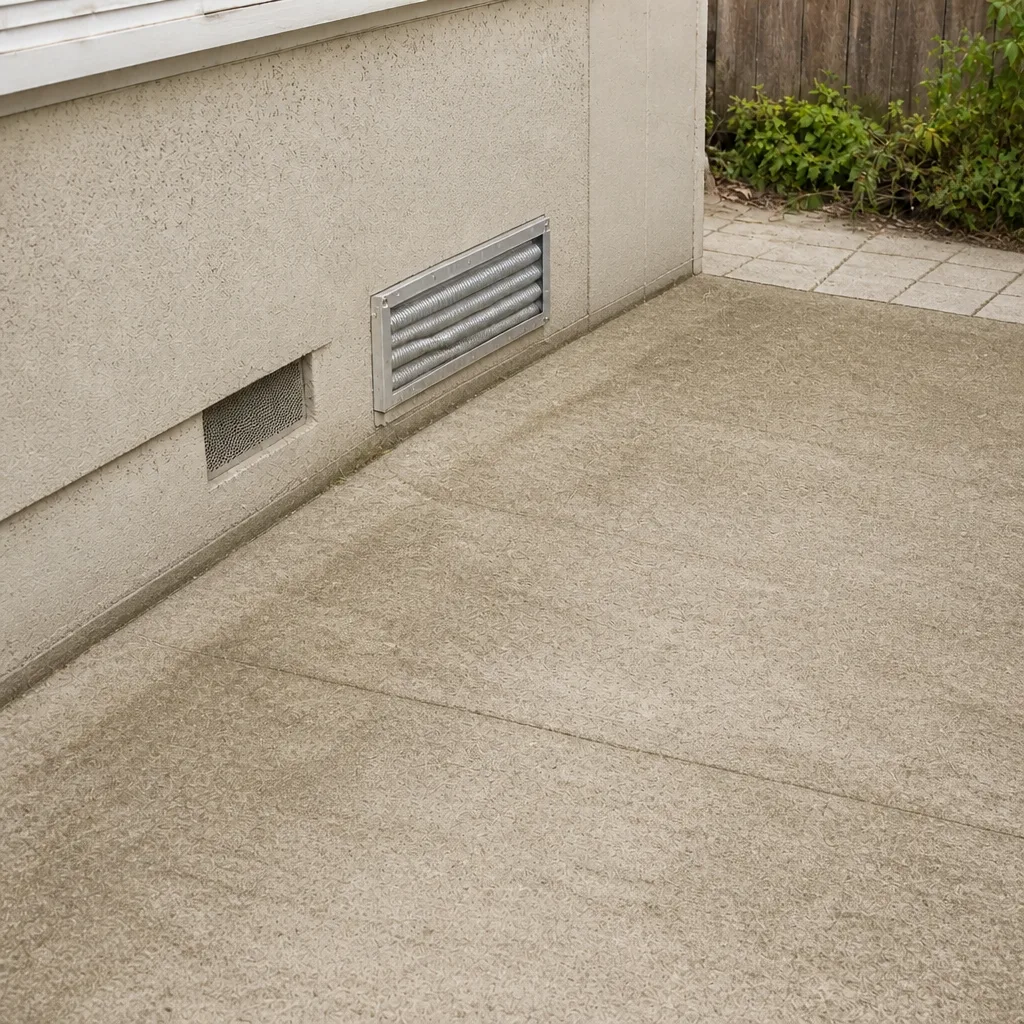
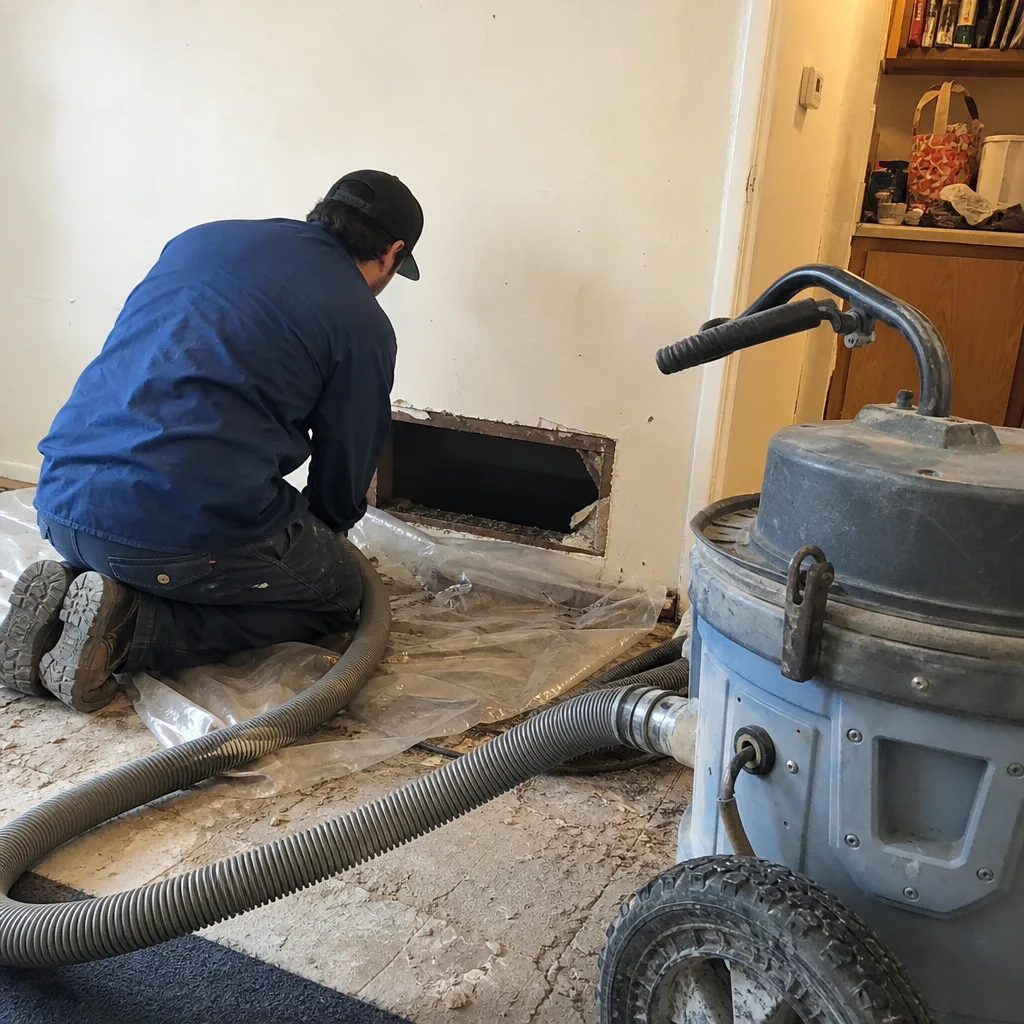
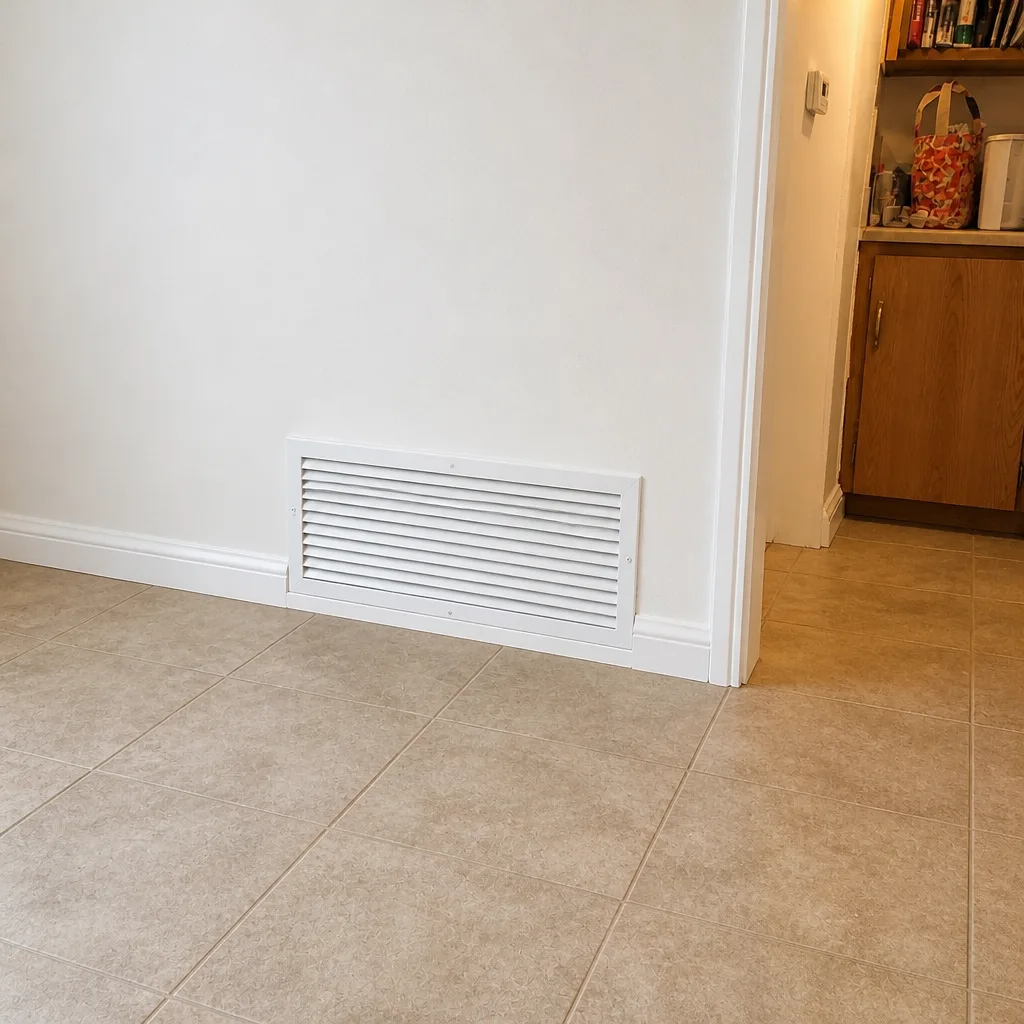
See the difference
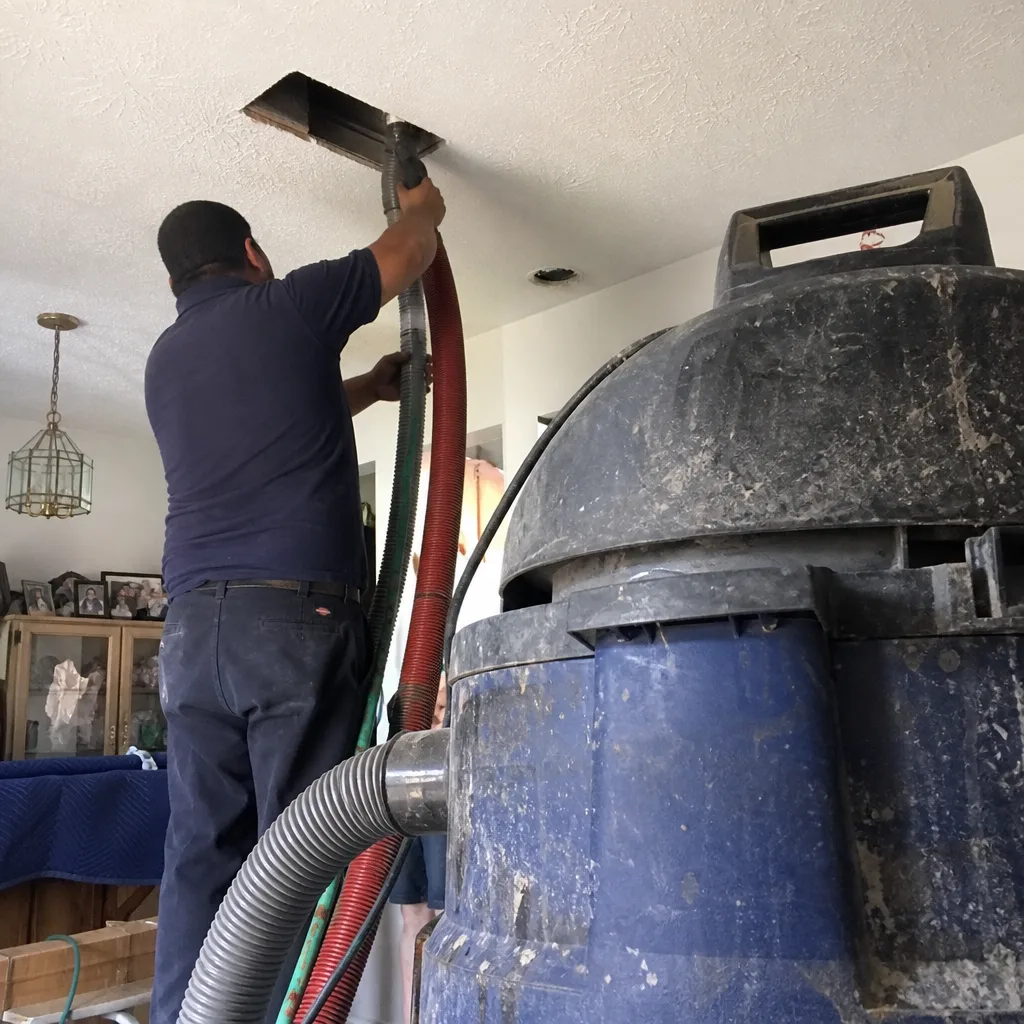 Before
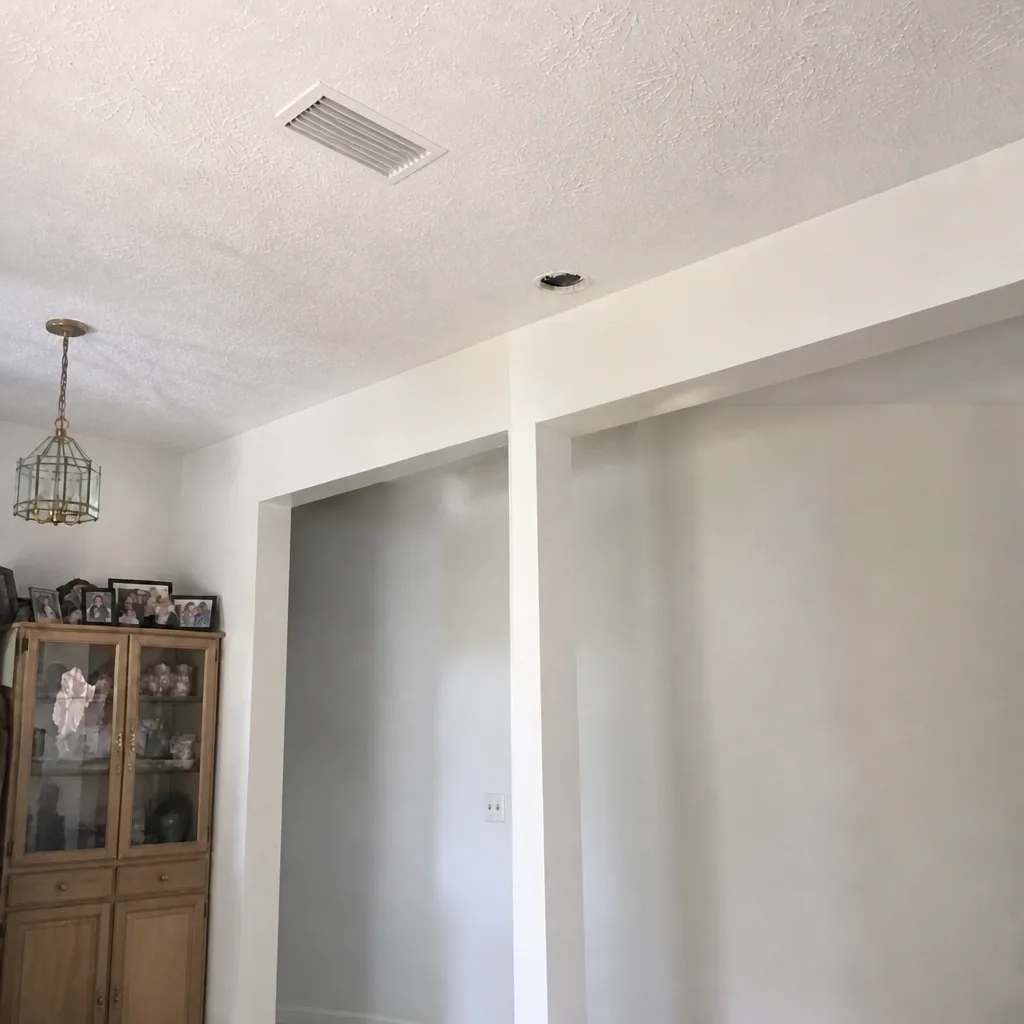 After
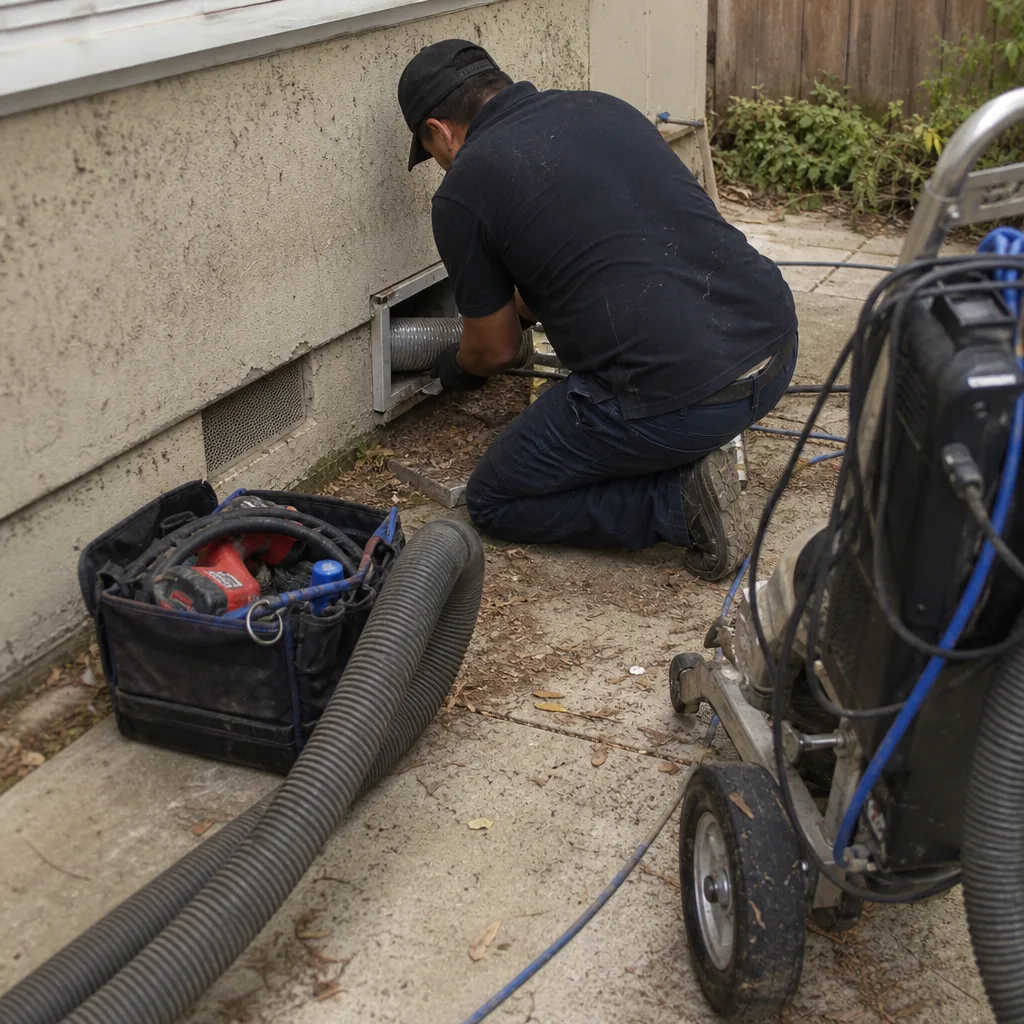 Before
 After
 Before
 After
When to Call a Professional
Call a professional if you can see visible dust or debris inside a register, if the airflow from your vents feels weaker than it used to, or if you notice a musty smell when the system runs. If anyone in the home has ongoing allergy or respiratory issues that worsen indoors, a full-system cleaning with documentation is worth scheduling. New-to-you homes and homes that have just been through a remodel should be cleaned before you settle in. Dryer vents should be on a regular interval regardless of how the dryer feels. Duct work that’s leaking, disconnected, or sagging needs repair, not just cleaning. Duct Cleaning Salinas offers free estimates in Salinas. Call (855) 360-8094. We answer 24/7. Fast dispatch from 7am to 7pm, Sunday through Friday.
Frequently Asked Questions
Air duct cleaning in Salinas is priced per system, not per register, and the price is set by a written estimate before work begins. Because Salinas systems vary widely in size, layout, and whether they’re flex or sheet metal, a single price would be misleading. The estimate accounts for the number of runs, access difficulty, contamination level, and whether repair is needed. Call (855) 360-8094 for an exact quote – estimates are free.
More often than the national average suggests, because of agricultural dust and marine humidity. For most Salinas homes, a reasonable interval is every few years, with a first cleaning recommended if the system has never been cleaned or if you’ve just moved in. Homes with pets, recent remodels, or allergy concerns in the household often need a shorter interval. A professional inspection will give you a better picture than a fixed number.
A legitimate company uses a HEPA-filtered negative-pressure machine plus a mechanical agitation tool, and adds containment air filtration when contamination is present. Shop vacs and consumer-grade vacuums don’t create enough pressure to remove caked-on debris, and they exhaust fine particles back into the room. We use Rotobrush and Nikro systems and Abatement Technologies air filtration on jobs where it’s warranted.
Because they’re for a different service. A low quote is usually for a registers-only visit that never cleans the trunk, plenum, or air handler, and often uses a shop vac. The dust that gets loosened settles back within weeks, so you pay twice. A real full-system cleaning includes the air handler, plenum, every trunk and branch, and before-and-after video proof of the work.
You should receive before-and-after interior video of your own ducts, not stock footage or photos of the register face. You should also get static pressure readings taken before and after cleaning, plus a written summary of what was found. If a company can’t provide that, don’t book them.
Yes. We treat cleaning and repair as one job whenever possible, because cleaning a duct system with leaks means the system re-contaminates quickly. Disconnected flex runs, leaking seams, and sagging runs are common finds during cleaning, and fixing them in the same visit is what makes the cleaning hold. Duct Cleaning Salinas handles air duct cleaning, dryer vent cleaning, and air duct repair under one roof, so there’s no handoff to another contractor mid-job.
The Bottom Line
Salinas ducts foul faster than generic guides assume, because the Salinas Valley’s agricultural dust and the marine humidity from Monterey Bay create a loading pattern that inland California homes don’t see. A legitimate cleaning runs negative-pressure equipment with HEPA filtration, agitates every trunk and branch, cleans the air handler and plenum, and ends with before-and-after video and static pressure readings. Dryer vent cleaning belongs in the same visit because it’s a fire-safety service. And repair belongs in the same visit because cleaning a system with leaks is money spent twice. If you’re ready to schedule, call (855) 360-8094. We answer 24/7. Fast dispatch from 7am to 7pm, Sunday through Friday. The estimate is free and the price is set per system by the written estimate.
Duct Cleaning Salinas works with homeowners and property managers across Salinas, from Oldtown to Alisal and out toward Boronda, and the agricultural dust pattern is the same across the city. Our technicians have up to 12 years of experience with full-system duct work, dryer vent cleaning, and duct repair. You can start with our main duct cleaning Salinas page or call us directly for a free estimate.
Written by the team at Duct Cleaning Salinas.