
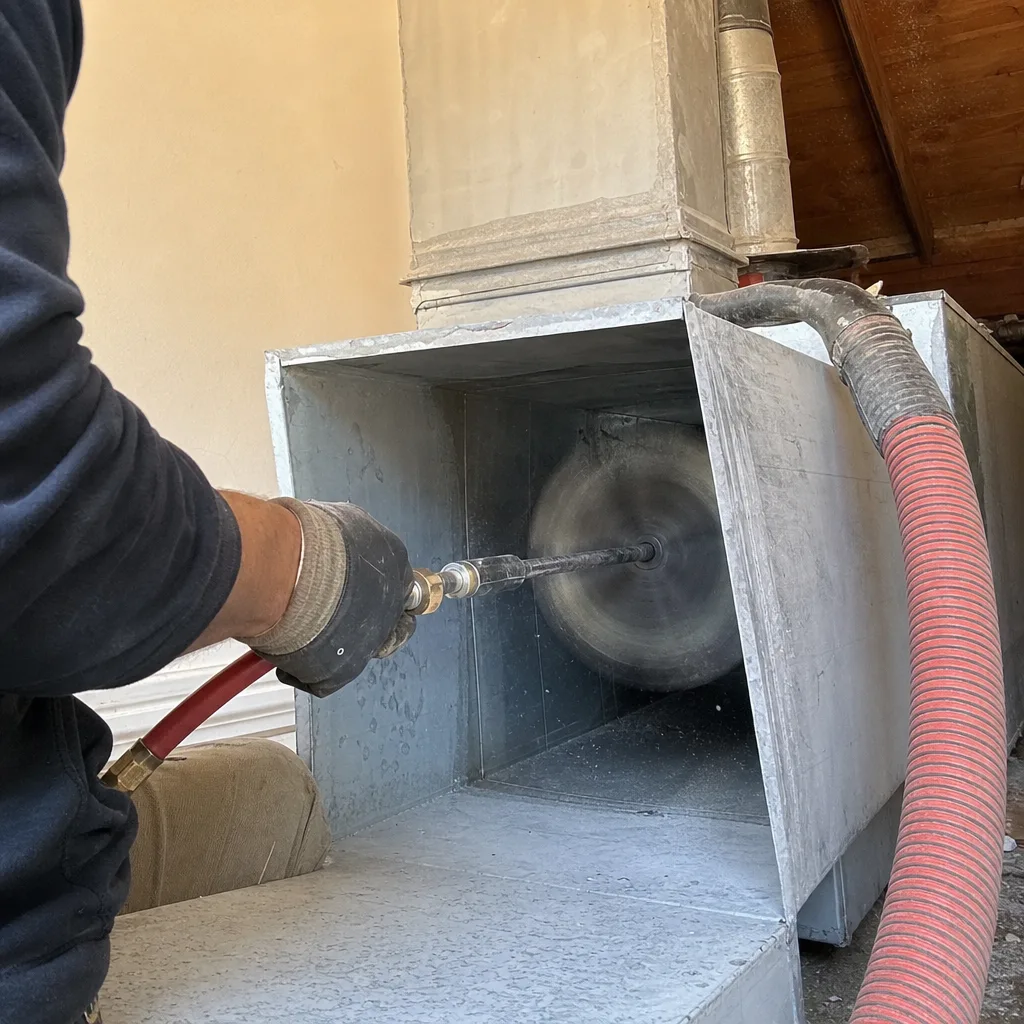
Last updated November 14, 2026
 Whole-home duct cleaning
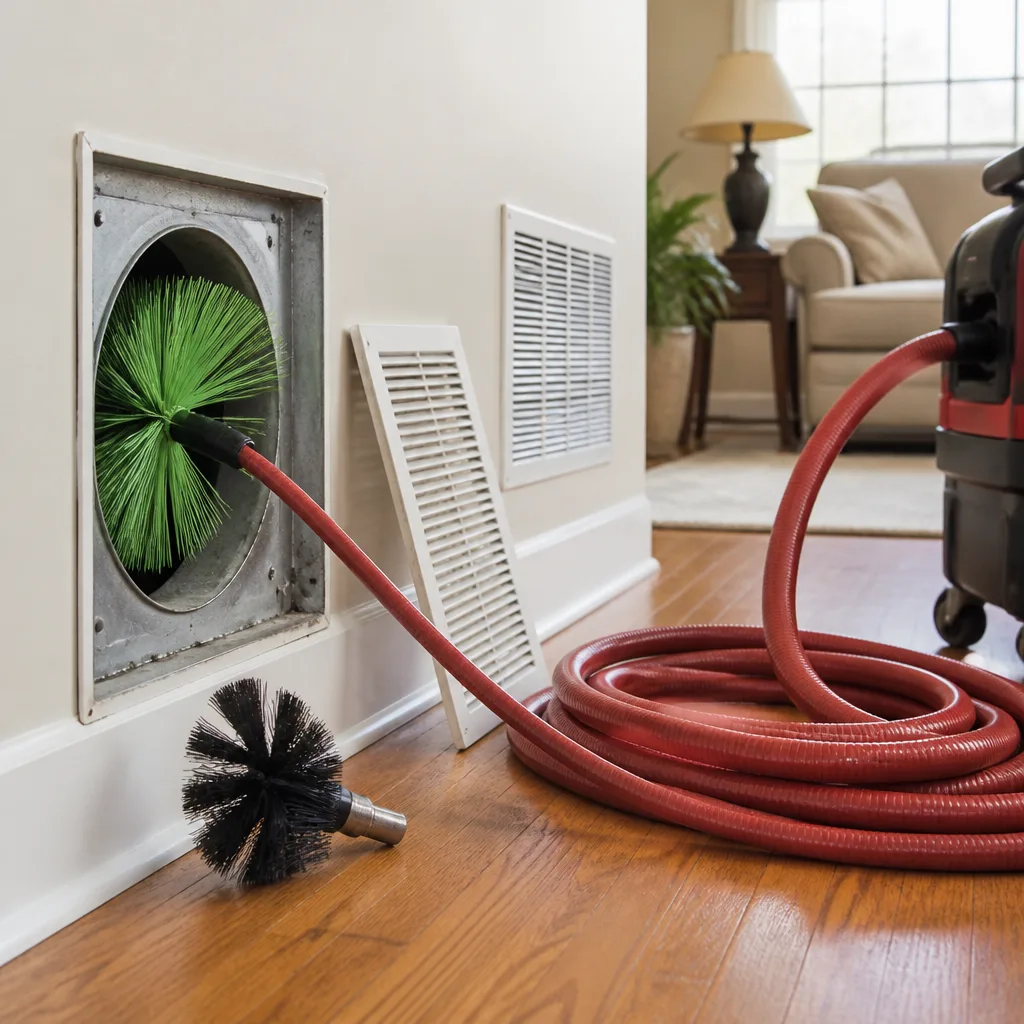
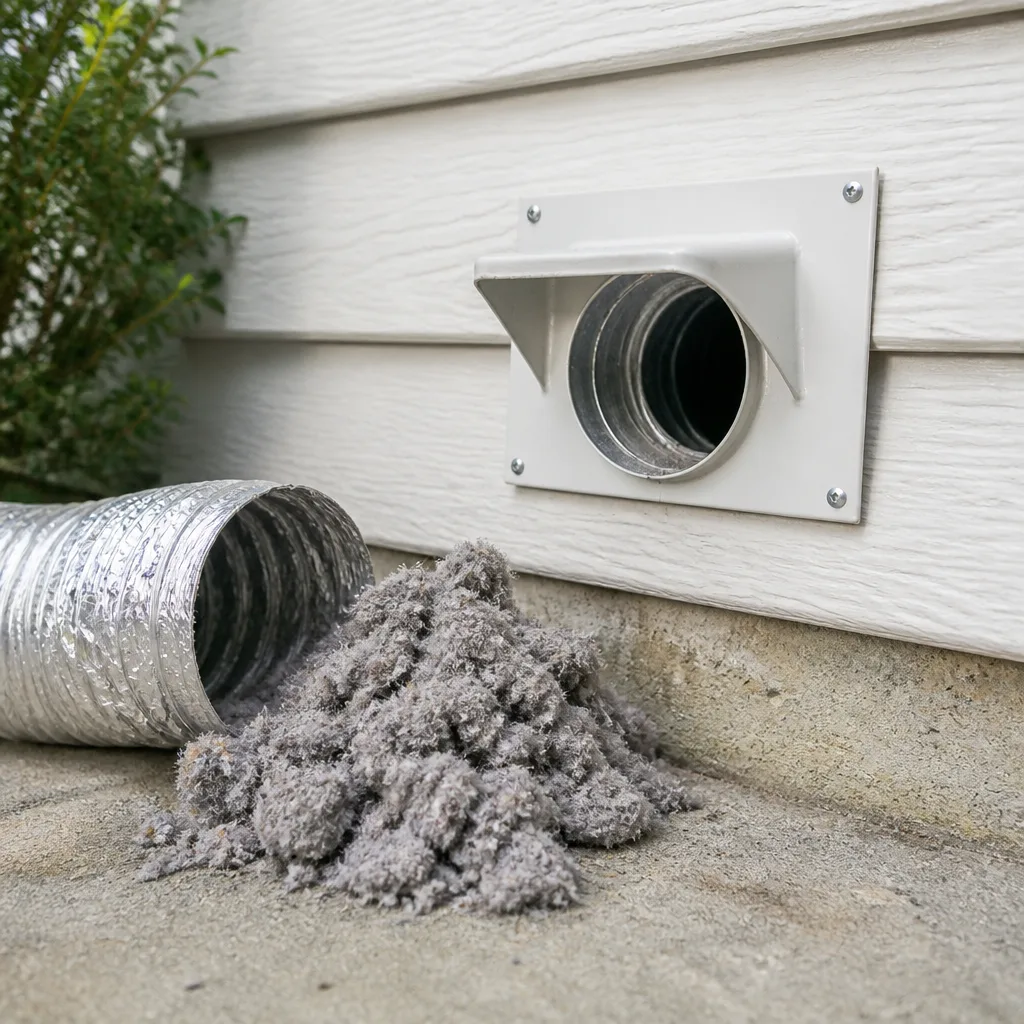 Dryer vent cleaning
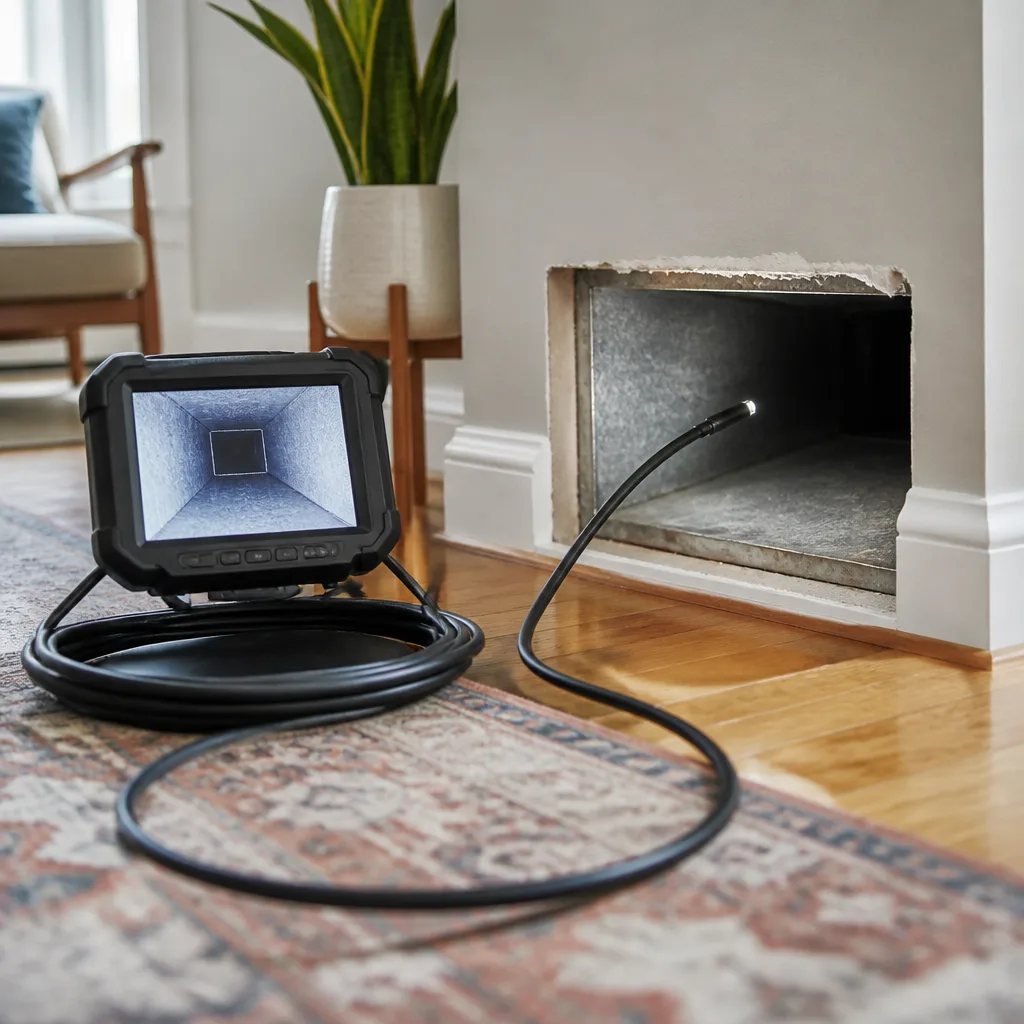 Camera inspection
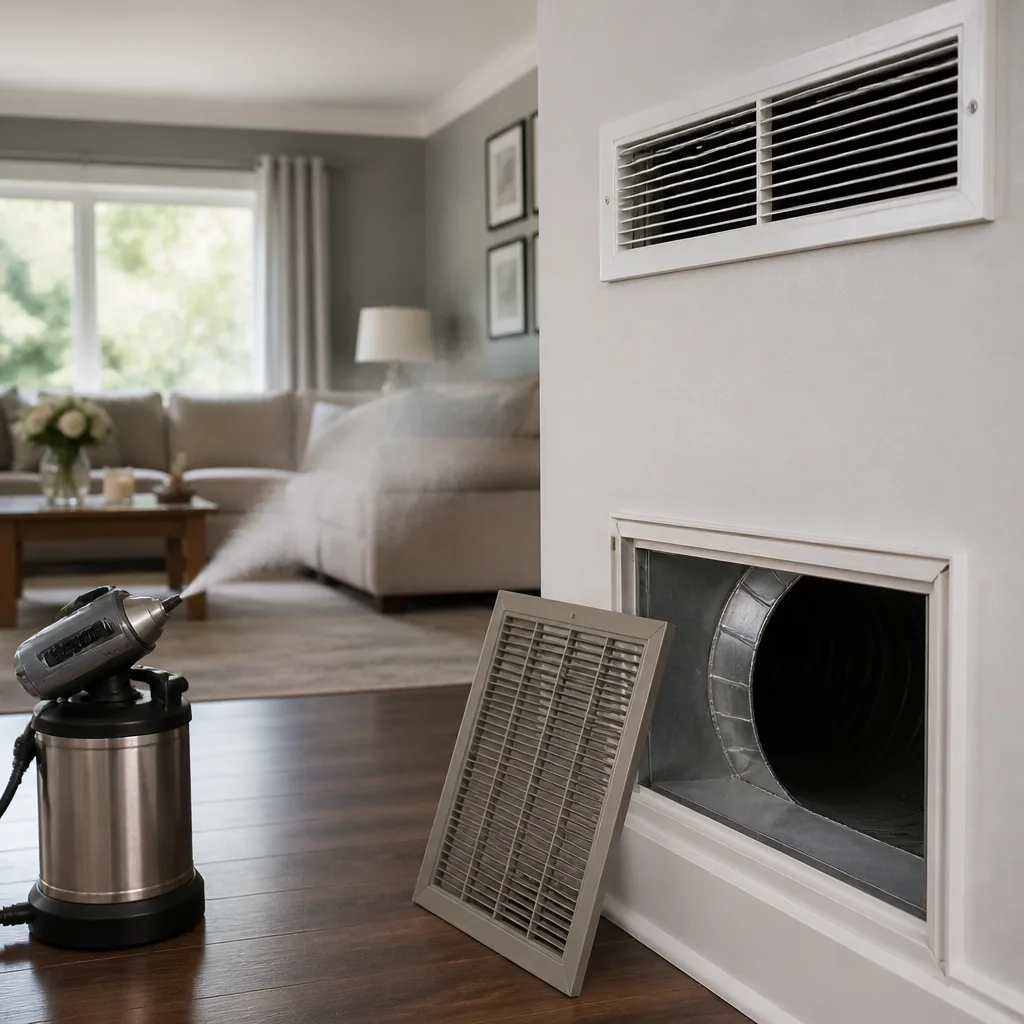 Sanitizing & deodorizing
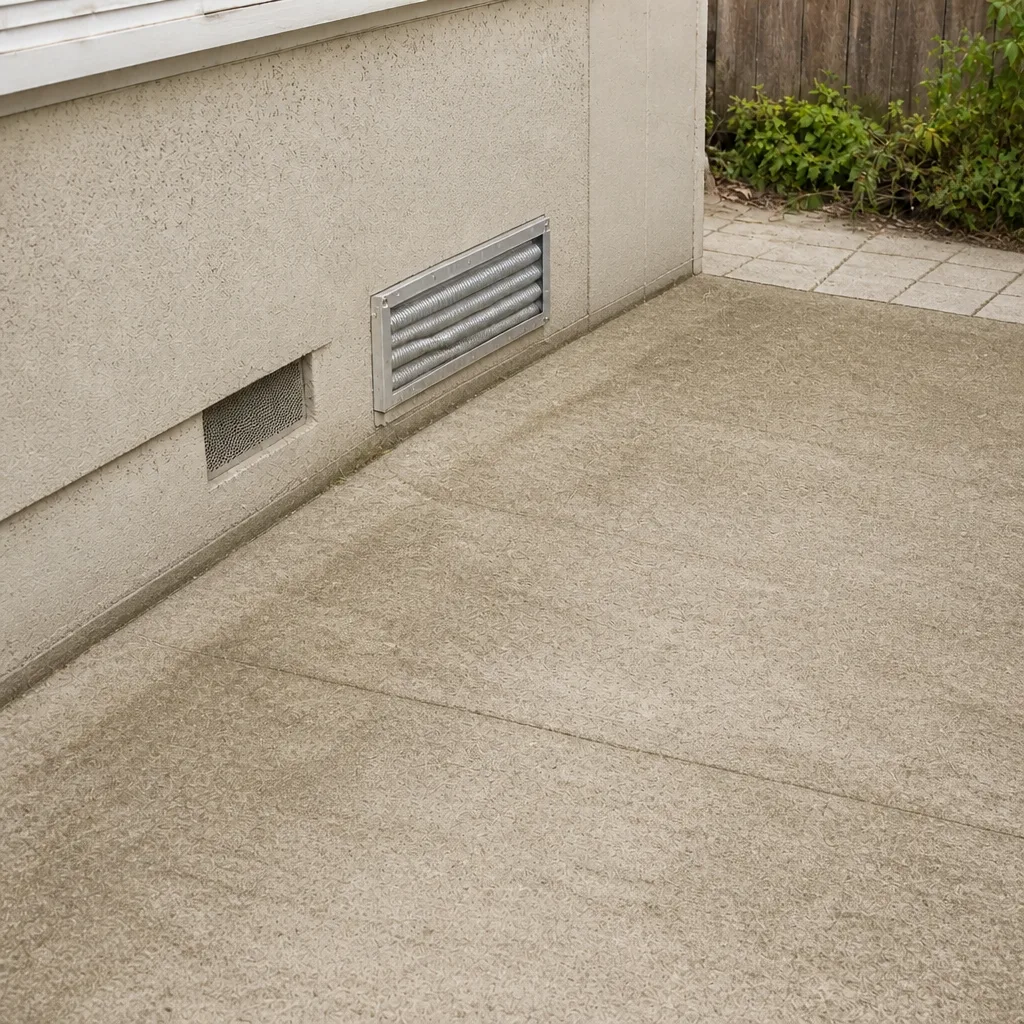
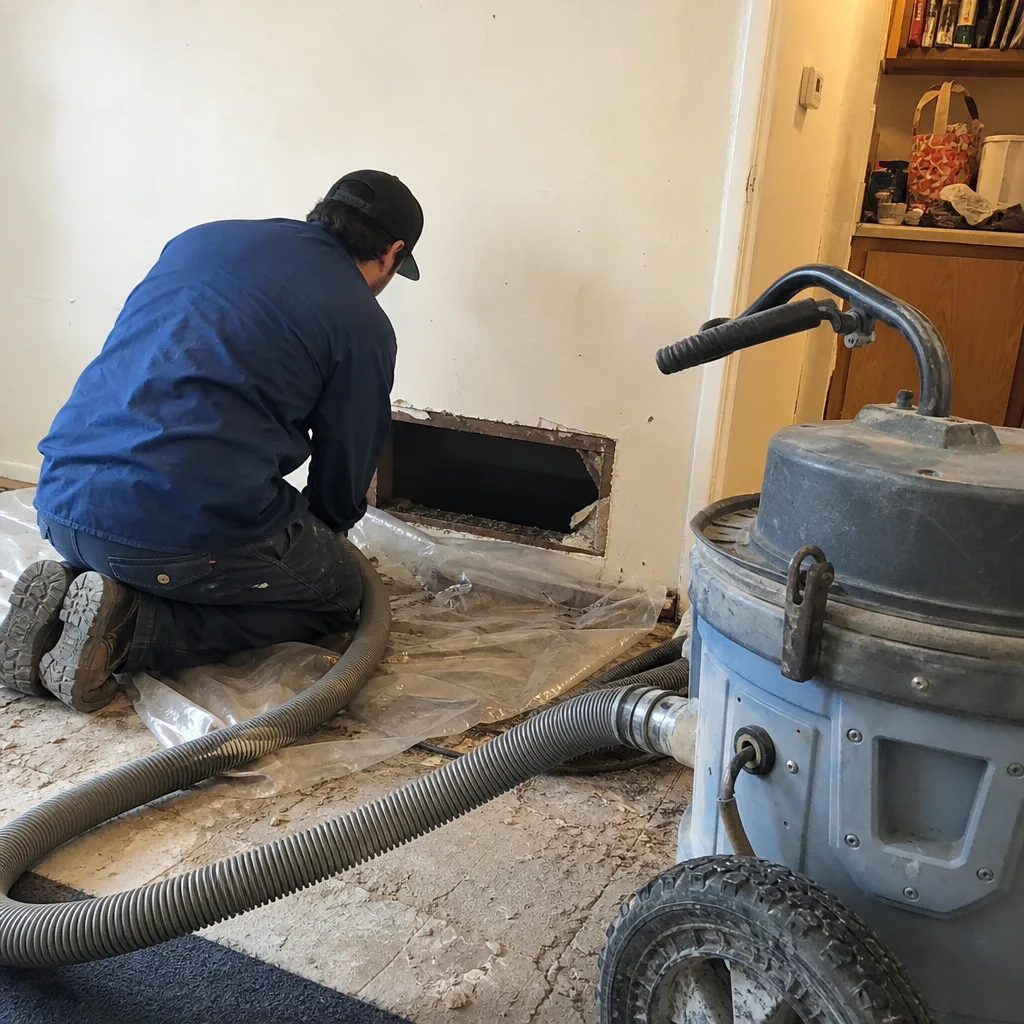
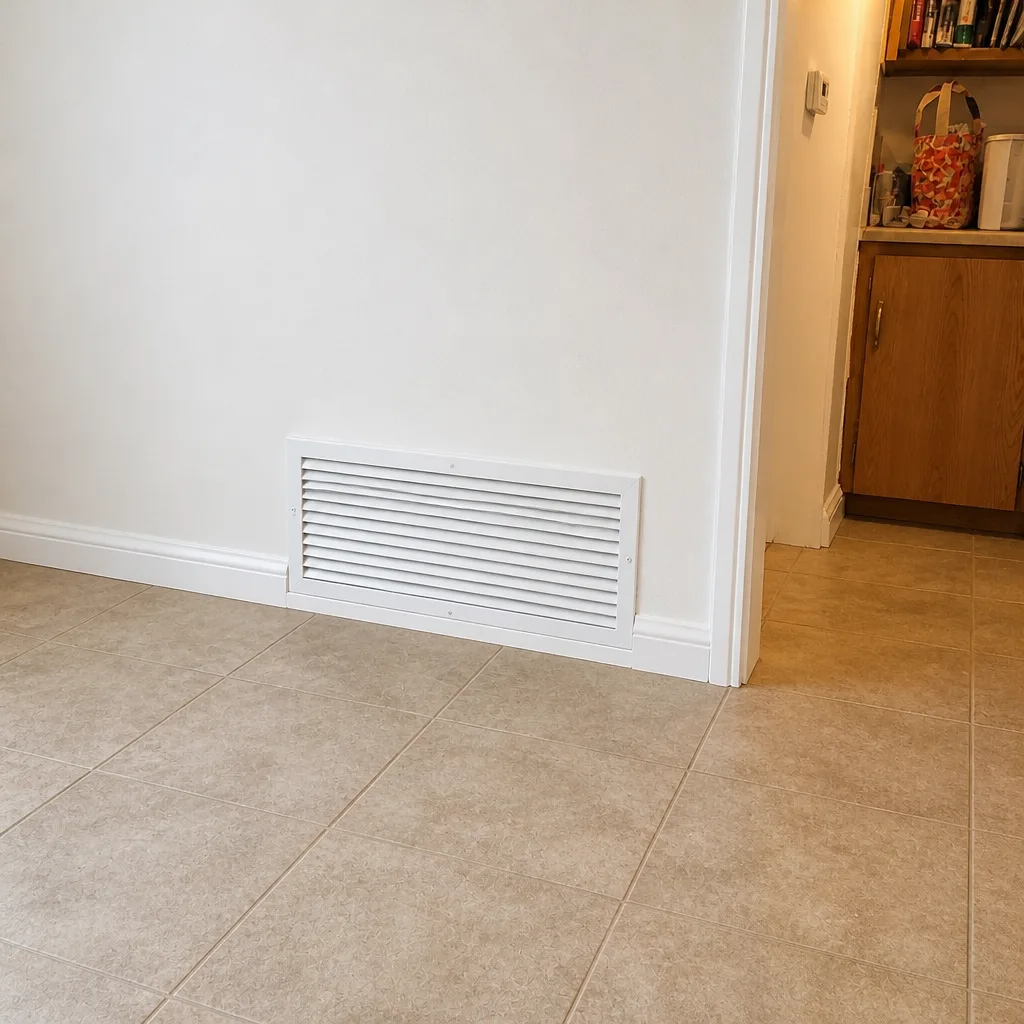
Whole-system duct and dryer vent check with before-and-after photos - you see exactly what came out of your vents
That "$99 whole-house special" is a bait ad - the real number appears once they are in your hallway, or the "clean" is a shop-vac at the register. We photograph the inside of your ducts before and after instead.
DIY vs Professional Air Duct Cleaning: The Salinas Homeowner’s Decision Guide
A brush kit and a shop-vac can clean the first 18 inches of a duct run. The contamination that actually affects your air quality is 10 to 40 feet in, past the register boot, around the first elbow, and settled along the long trunk lines where nobody can see it or reach it. That gap is why the equipment difference between DIY and professional isn’t a matter of preference or brand loyalty. It’s physics. A vacuum that can’t hold sustained negative pressure across a whole duct system can’t move contamination out of one, no matter how long you run it. This guide lays out exactly what a homeowner can legitimately do, what a consumer tool can’t do, and how to decide for your own Salinas home based on facts rather than a coupon.
Quick Answer
DIY air duct cleaning can handle surface dust at the registers and routine dryer vent lint maintenance, but it cannot clean a full duct system because consumer vacuums and rental units don’t generate the airflow or sustained negative pressure required to move settled particulate through long duct runs. Professional cleaning in Salinas uses truck-grade or commercial negative-pressure equipment with containment filtration, which is why it reaches contamination that hand tools leave behind. For any home with visible debris, musty odors, recent remodeling, or a dryer vent that hasn’t been serviced, professional work is the more effective and safer choice.
Styles & brands we work with
- Whole-home duct cleaning
- Dryer vent cleaning
- Camera inspection
- Sanitizing & deodorizing
Table of Contents
- Why Duct Cleaning Is a Physics Problem, Not an Effort Problem
- CFM and Static Pressure: What Consumer Vacuums Actually Deliver
- What a Salinas Homeowner Can Legitimately Do Themselves
- When DIY Attempts Make Professional Cleaning Harder
- The Cost-Effectiveness Math for Salinas Homes
- How Your Duct Type Changes the DIY Risk Profile
- Whole-Home Air Quality Systems and What They Need
- Dryer Vent Cleaning: The One DIY Task With a Real Safety Line
Why Duct Cleaning Is a Physics Problem, Not an Effort Problem
Duct cleaning works by establishing a pressure differential across the entire duct system and using air velocity to carry loosened particulate toward a collection point. Every part of that sentence matters. Negative pressure has to be sustained at the far end of the system, not just at the register you’re working on. Air velocity has to be high enough to keep particles suspended once they’re disturbed, or they simply settle again a few feet downstream. And the collection point has to actually capture what arrives, or you’ve just relocated the contamination into a different room.
Consumer vacuums and rental units are designed to pick up debris from a floor at close range. They generate suction over a small opening with a short hose. Attach that hose to a 6-inch flex duct running 30 feet to a trunk line, and the pressure drops to almost nothing. You’re not pulling air through the system. You’re pulling a tiny trickle past a lot of surface area, and the settled debris along the duct walls barely moves.
Professional systems solve this differently. A Rotobrush or Nikro setup uses a high-volume negative-pressure source connected at the main trunk, plus a rotating brush or air whip that agitates the duct walls while the vacuum is running. The combination is what makes the particulate travel. Our technicians have up to 12 years of experience with this equipment, and the pattern is consistent: the material that matters lives in the trunk lines and the long runs, not at the register face.
This is why the professional process also includes containment. We deploy Abatement Technologies air filtration during service because agitating a duct system without capturing what comes loose is how you turn a cleaning into a contamination event. Airborne particle control is part of the job, not an add-on.
CFM and Static Pressure: What Consumer Vacuums Actually Deliver
Two numbers decide whether a vacuum can clean a duct system: CFM (cubic feet per minute of airflow) and static pressure (the resistance the system can overcome). Consumer shop-vacs are rated for high static pressure at nearly zero airflow, which is why they feel powerful when you cap the hose with your hand. Once that hose opens into a duct run with hundreds of cubic feet of volume, the airflow collapses.
Here’s the practical difference:
- Consumer shop-vac: High peak suction at a sealed opening, low sustained CFM, short hose, small collection capacity. Designed for floor cleanup at close range.
- Big-box rental unit: Often a larger tank with a longer hose, but still a single-stage motor with no true negative-pressure seal at the trunk. Rental units typically come with a brush head and a flex hose, and both limit the airflow you can achieve across a full system.
- Professional Rotobrush or Nikro system: High-volume negative-pressure source connected at the air handler or main trunk, engineered to hold pressure across long runs while a rotating agitation tool moves through the duct interior.
- Abatement Technologies filtration: HEPA-grade capture at the exhaust point, keeping loosened particulate contained during agitation rather than recirculating into the living space.
The practical translation: a consumer tool agitates the first couple of feet near the register and captures very little of the material that’s been accumulating further in. The airflow you can sustain across a full residential duct system is the deciding factor, and no shop-vac plugged into a register boot gets there.
One more piece that doesn’t get discussed enough: dust in a duct system isn’t loose powder. Static charge and humidity bind it to the duct walls over time, and in Salinas valley homes with plenty of agricultural dust in the air, that binding is real. Agitation without sustained airflow just loosens the top layer into the airstream and leaves the rest stuck. For a deeper look at what full-system cleaning actually involves, see our page on air duct cleaning.
What a Salinas Homeowner Can Legitimately Do Themselves
Plenty of maintenance is genuinely yours to do, and we’d rather tell you that than pretend every task needs a technician. Here’s what makes sense to handle yourself:
- Register and grille cleaning. Remove the supply and return covers, wash them in warm soapy water, dry them fully, and reinstall. This is the highest-visibility dirt in the system and it’s completely within reach.
- Visible flex duct inspection. In an accessible attic or crawl space, look at the flex runs for kinks, crushed sections, disconnected joints, or torn outer jackets. If a joint has come apart, note it and stop there. Reconnecting flex duct properly involves mastic and mechanical fastening, not tape alone.
- Dryer vent lint trap and short-run maintenance. Clean the lint screen before every load, and clear the short duct between the dryer and the wall if it’s accessible. Vacuum the lint trap housing with a narrow attachment. This is routine and worthwhile.
- Filter changes. Replace your HVAC filter on schedule. A clogged filter puts more load on the system and contributes to the dust that eventually settles in the ducts.
- Surface dusting near returns. Keeping the area around return grilles clear reduces what gets pulled in.
What we’d push back on: pulling rigid brushes through long flex runs, using a leaf blower to “blow out” a duct system, or removing the air handler access panel to vacuum the interior. Blowing compressed air into a duct doesn’t clean it. It disperses contamination through the house. And the air handler contains components you don’t want to disturb without knowing what you’re looking at.
When DIY Attempts Make Professional Cleaning Harder
There’s a real pattern here, and it costs homeowners money. A DIY attempt that goes wrong doesn’t just fail to clean. It creates work that has to be corrected before a professional cleaning can be effective.
- Disturbing settled debris without capture. Aggitating duct dust without a collection source at the other end sends fine particulate into the living space. It lands on surfaces, gets pulled back into the return, and settles again in the ducts. You’ve redistributed the problem and added airborne contamination to the interior.
- Damaging flex duct liners. Rigid brushes run through flex duct at the wrong angle will tear the inner liner. A torn liner becomes a leak, which means conditioned air escaping into the attic and unfiltered attic air entering the duct. That’s a duct repair job, not a cleaning job, and it happens more than people expect.
- Crushing or disconnecting joints. Wrestling a shop-vac hose through a tight flex run can kink it or pop a connection loose. What was a cleaning visit becomes a cleaning plus repair visit.
- Pushing debris into the air handler. Loose material that gets carried toward the coil instead of away from it can foul the evaporator coil, which is a much more expensive problem than a dirty duct.
The common thread: cleaning is about moving contamination out, and DIY tools move it around. This is exactly why we carry air duct repair as a core service rather than handing it off. If a cleaning turns up a torn liner or a disconnected run, we fix it in the same visit instead of leaving you to schedule a second trade.
The Cost-Effectiveness Math for Salinas Homes
This is where the DIY argument usually falls apart, and it’s worth walking through honestly. A duct cleaning rental unit typically runs in the range of a half-day rental. Add a brush kit, a long enough hose, and your own time, and the DIY total usually lands somewhere between $80 and $180 depending on how much you rent and how far you have to drive. That sounds like a bargain compared to a professional cleaning, which for a typical whole-system clean in Salinas is estimated in the hundreds of dollars.
But the math only works if the DIY result is comparable, and it usually isn’t. Two factors change the calculation:
- Re-cleaning risk. If the DIY attempt mostly disturbed the debris and left it in the system, you’re paying twice. The rental cost plus the professional cost, which is the worst of both worlds.
- Repair risk. If a rigid brush tears a flex liner, you’ve added a duct repair to the bill. That alone can exceed the cost of professional cleaning.
There’s also the containment question. A professional job includes filtration and a defined capture point. A DIY attempt includes neither, which means the particulate you disturb goes into your home’s air before it goes anywhere useful.
The honest framing: DIY makes sense for register cleaning, filter maintenance, and light dryer vent upkeep. It does not make sense for whole-system cleaning, at any price, because the equipment gap is too large to close with effort. The final price on a professional job is set per job by the written estimate, so you know what you’re paying before work begins. If you want a baseline number for your own home, call us at (855) 360-8094. The estimate is free, and you’ll get a range for your system size before anyone schedules anything.
How Your Duct Type Changes the DIY Risk Profile
Salinas homes span a wide range of construction. Older homes downtown and around the Alisal often have rigid metal ductwork or a mix of rigid and flex after a retrofit. Newer construction in North Salinas and the neighborhoods toward Boronda tend to be almost entirely flex duct. Each type behaves differently under a DIY attempt.
- Rigid metal ductwork. The most forgiving of the three. It’s hard to damage with a brush, and the seams hold pressure better than flex. It also accumulates dust in the corners and at elbows where a brush head can’t reach without airflow behind it.
- Flex duct. The most common in newer Salinas homes and the least forgiving. The inner liner tears easily under rigid brushes, and the corrugated profile traps dust in the ridges. This is the duct type where DIY attempts most often cause damage.
- Duct board. Fabricated from compressed fiberglass with a foil facing. Aggressive brushes can abrade the interior surface, and once the foil or the fiberglass matrix is damaged, the duct becomes a source of fiberglass particulate. Duct board should be handled by someone who knows what they’re looking at.
If you’re not sure what you have, a visual inspection from an accessible attic or crawl space usually settles it. If you see silver flex runs with a plastic inner liner, treat it as flex. If you see sheet metal with taped or mastic seams, it’s rigid. If you see panels with a foil surface, it’s duct board. The risk profile scales accordingly, and so does the case for a professional job. Our duct cleaning page covers how we approach each type.
Whole-Home Air Quality Systems and What They Need
Ducts don’t run in isolation. In a lot of Salinas homes, they’re connected to a whole-home air quality setup: a Honeywell or Aprilaire filtration or humidity control system paired with the HVAC. These systems are designed to work with clean ductwork and clean filters, and they perform poorly when the ducts feeding them are contaminated. A DIY attempt that pushes debris toward the air handler can foul the very filters those systems depend on.
We work on Honeywell and Aprilaire systems routinely, which means we understand how the duct system interacts with the air quality hardware rather than treating cleaning as a standalone task. If your system includes a media filter cabinet, a UV component, or a bypass humidifier, the cleaning process has to account for all of it. A shop-vac and a brush kit don’t.
What homeowners should check before scheduling anything: filter type and change interval, whether the humidifier (if present) has been serviced, and whether the return grilles show visible dust loading. Those three data points tell you a lot about whether the ducts are contributing to an air quality problem. Guardsman-line surface protection familiarity matters here too, because the point of cleaning isn’t just extraction. It’s leaving surfaces in a state that doesn’t immediately re-contaminate.
Dryer Vent Cleaning: The One DIY Task With a Real Safety Line
Of all the tasks in this guide, dryer vent cleaning is the one that deserves the most caution, because it’s a fire-safety service rather than a maintenance chore. Lint buildup in a dryer vent is the leading cause of residential dryer fires, and the failure mode is a hot, confined, fuel-rich environment. That risk doesn’t care whether you’re a homeowner or a technician, which is why the work deserves professional attention once you’re past the lint trap.
What you can safely do:
- Clean the lint screen before every load.
- Vacuum the lint trap housing with a narrow attachment.
- Check that the exterior vent flap opens freely when the dryer runs.
- Look behind the dryer for crushed or kinked transition duct and note it.
What we’d hand off to a professional: clearing the long run between the dryer and the exterior wall, especially if it’s a rigid metal run with elbows, or if the vent exits through the roof. A brush kit on a flexible rod can snag on elbows or push lint further in if it’s not handled correctly. Our dryer vent cleaning service uses the same negative-pressure equipment as duct cleaning, so the lint is captured rather than redistributed. This isn’t an upsell. It’s the one item on the list where getting it wrong has a fire consequence.
Common Mistakes to Avoid
- Borrowing a shop-vac and calling it done. A shop-vac at a register can’t establish sustained negative pressure across a duct system. It moves surface dust and leaves the settled debris where it was.
- Using compressed air or a leaf blower on a duct system. Blowing air into a duct doesn’t clean it. It sends contamination into the living space and puts fine particulate into your air until it settles again.
- Running rigid brushes through flex duct. The inner liner tears, and a torn liner is an air leak plus a repair. Flex duct should never see a rigid brush.
- Skipping the dryer vent because the lint trap is clean. The lint trap catches a fraction of the lint. The run between the dryer and the exterior wall is where the fire risk lives.
- Assuming a coupon price is the real price. In any market, a low teaser number often becomes a much larger invoice once a technician is on site. Ask for a per-system estimate in writing before work starts.
- Cleaning at the wrong time. If you’ve just finished a remodel with drywall dust, or the system has been sitting through a hot Salinas valley summer, cleaning before the contamination migrates further saves both effort and money.
- Ignoring a musty smell. Odor from the ducts usually means moisture or microbial growth somewhere in the system. Cleaning without identifying the source is a temporary fix at best.
See the difference
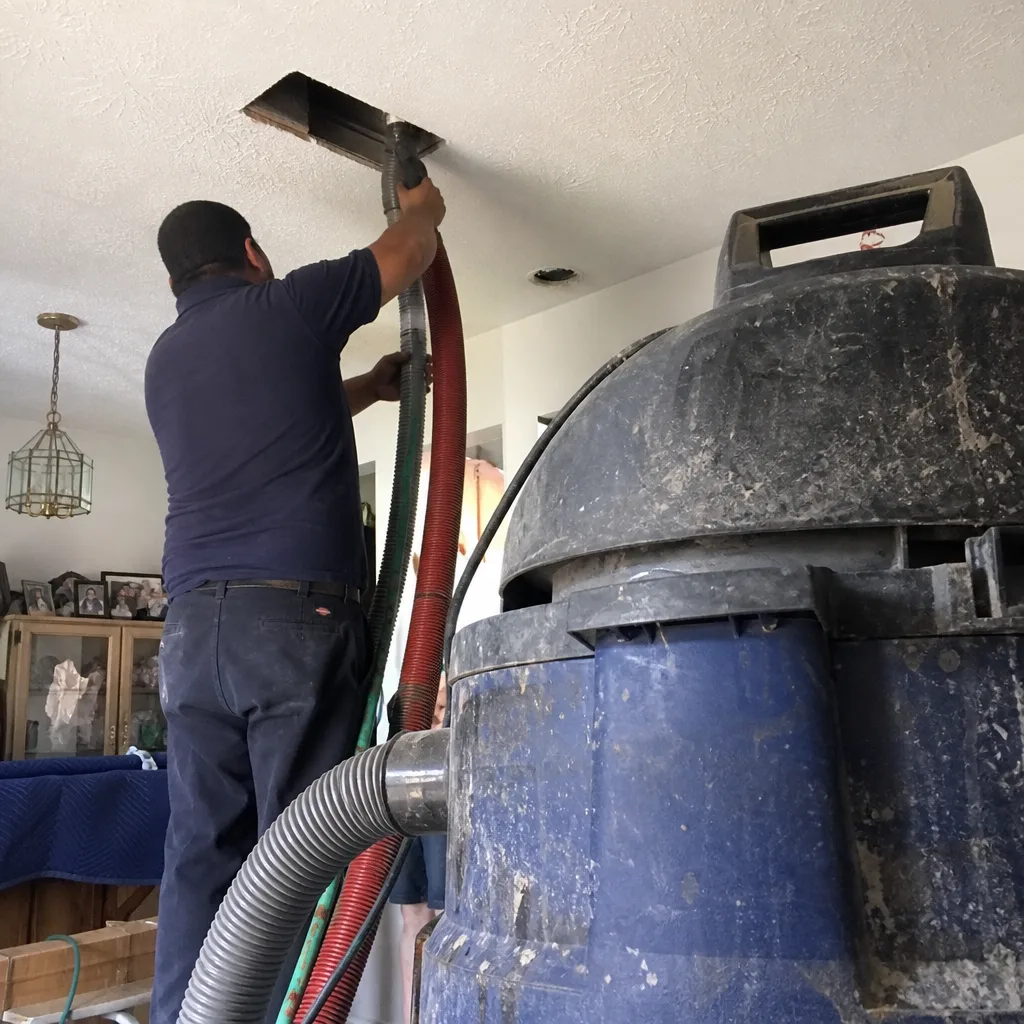 Before
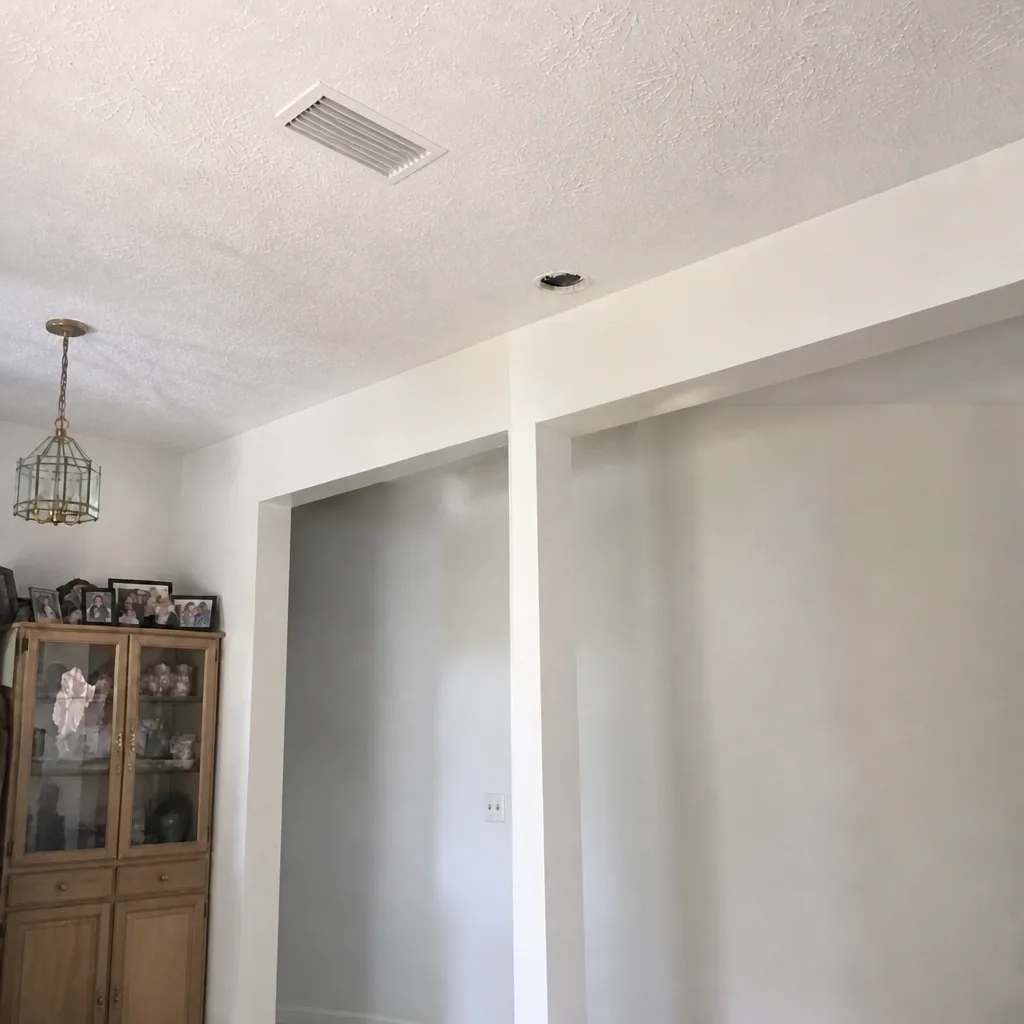 After
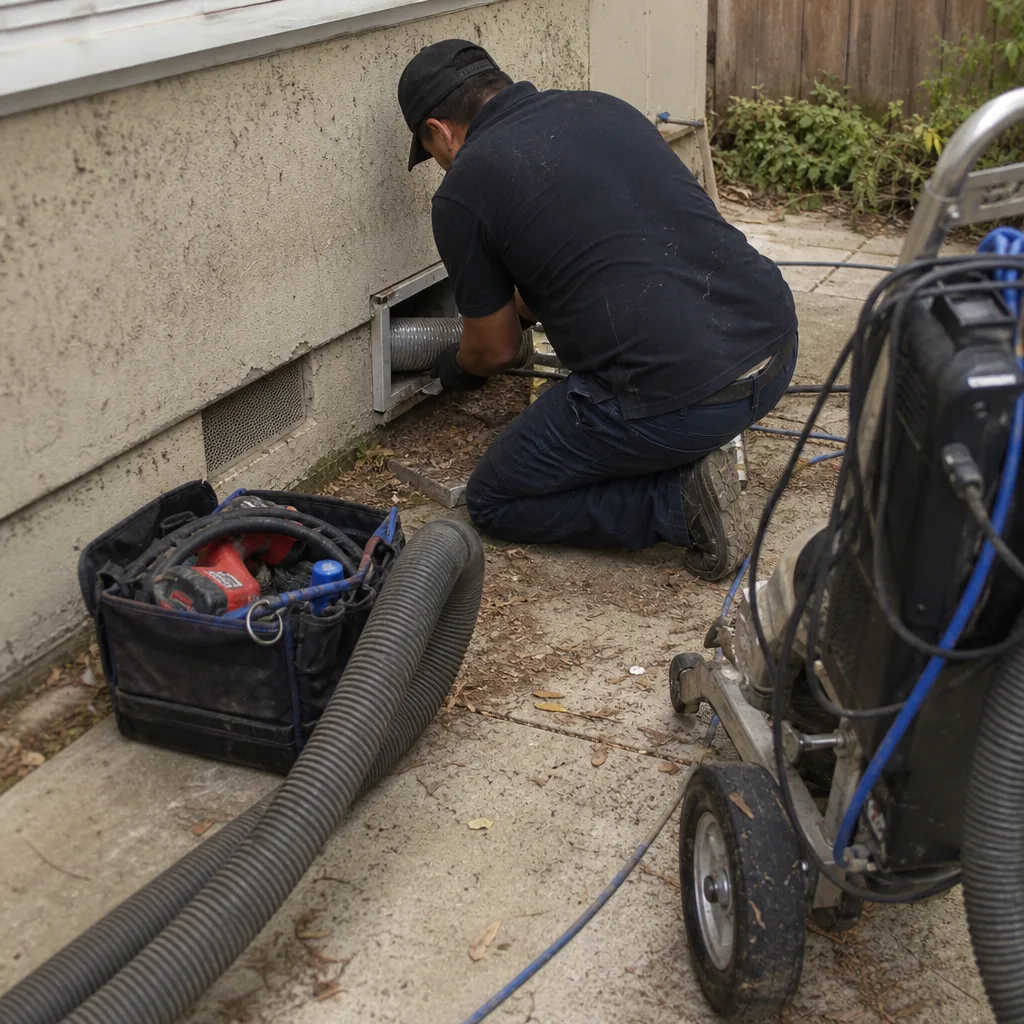 Before
 After
 Before
 After
When to Call a Professional
Call a professional if you’re seeing visible debris blow out of registers, if there’s a persistent musty smell when the HVAC runs, if your system has just been through a remodel or a pest issue, if the dryer vent hasn’t been cleaned in over a year, or if the home has someone with allergies or asthma who’s reacting to indoor air. Call if your duct type is flex or duct board, because the DIY damage risk in those systems is high. Call if the ducts and HVAC were installed at different times, since retrofit joints are a common failure point. Duct Cleaning Salinas offers free estimates in Salinas. Call (855) 360-8094 and we’ll give you a range for your system before you commit to anything.
Frequently Asked Questions
Professional whole-system duct cleaning in Salinas typically runs in the hundreds of dollars, with the exact price set per job by the written estimate rather than by per-vent pricing. The range depends on system size, accessibility, and whether repair work turns up during the cleaning. Call (855) 360-8094 for an exact quote. Estimates are free.
Low quotes usually reflect less equipment, less containment, and per-vent pricing that grows as the technician finds more vents to charge for. A shop-vac and a brush head cost almost nothing to run compared to a Rotobrush system with Abatement Technologies filtration, and the difference shows up in what actually gets cleaned. A real estimate prices the whole system and sets the final price before work begins.
Rental machines don’t generate the sustained negative pressure or airflow of a professional system, so they agitate the first couple of feet and leave the settled debris in the long runs. The bigger risk is damage to flex or duct board, which turns a failed cleaning into a repair. Call (855) 360-8094 if you want to know what your system would actually cost to clean.
Ask for before-and-after photos of your own ducts, not stock images. A professional job also includes containment equipment visible on site and a defined negative-pressure setup at the air handler or trunk. If a company won’t photograph your ducts, that tells you something. Call (855) 360-8094 to schedule an estimate.
Every few years for most homes, and sooner if you’ve had a remodel, a pest problem, visible debris at the registers, or ongoing musty odors. In Salinas, the agricultural dust in the air plus a long hot season means ducts load up faster than in cooler coastal climates. Dryer vents should be checked annually. Call (855) 360-8094 if you’re not sure where your home stands.
Yes, it can. Disturbing settled debris without capture sends fine particulate into the living space, and rigid brushes can tear flex liners or abrade duct board. Both turn a failed cleaning into a repair job. Call (855) 360-8094 and we’ll tell you honestly whether your situation warrants professional work or just routine maintenance.
The Bottom Line
DIY duct cleaning handles the surface layer and nothing else, because the equipment gap between a shop-vac and a professional negative-pressure system can’t be closed with effort. What you can do yourself: registers, filters, lint trap, and visual inspection. What you can’t: clean the trunk lines, clear long flex runs without damage risk, or capture the particulate an agitation moves. The cost math favors professional work once you account for re-cleaning and repair risk. If your system has visible debris, odor, or a dryer vent that hasn’t been serviced, that’s a professional job. Reach out to Salinas homeowners’ most direct option: call (855) 360-8094 and we’ll set up a free estimate.
We answer 24/7. Fast dispatch from 7am to 7pm, Sunday through Friday. Closed Saturday. The written estimate sets the final price, one flat price per system agreed before work starts, and you’ll see before-and-after photos of your own ducts when the job is done. Licensed and insured, professional-grade equipment on every job.
Written by the team at Duct Cleaning Salinas.