
Last updated November 14, 2026
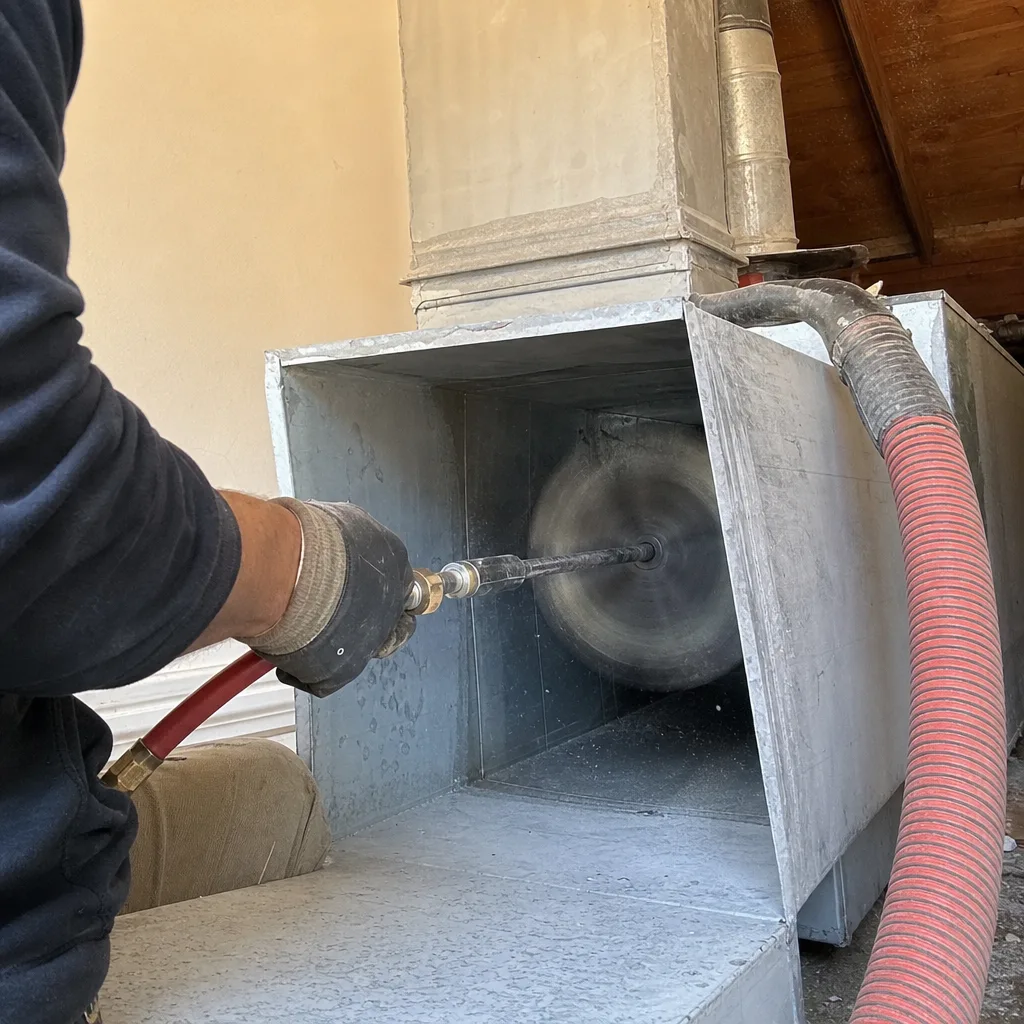
 Whole-home duct cleaning
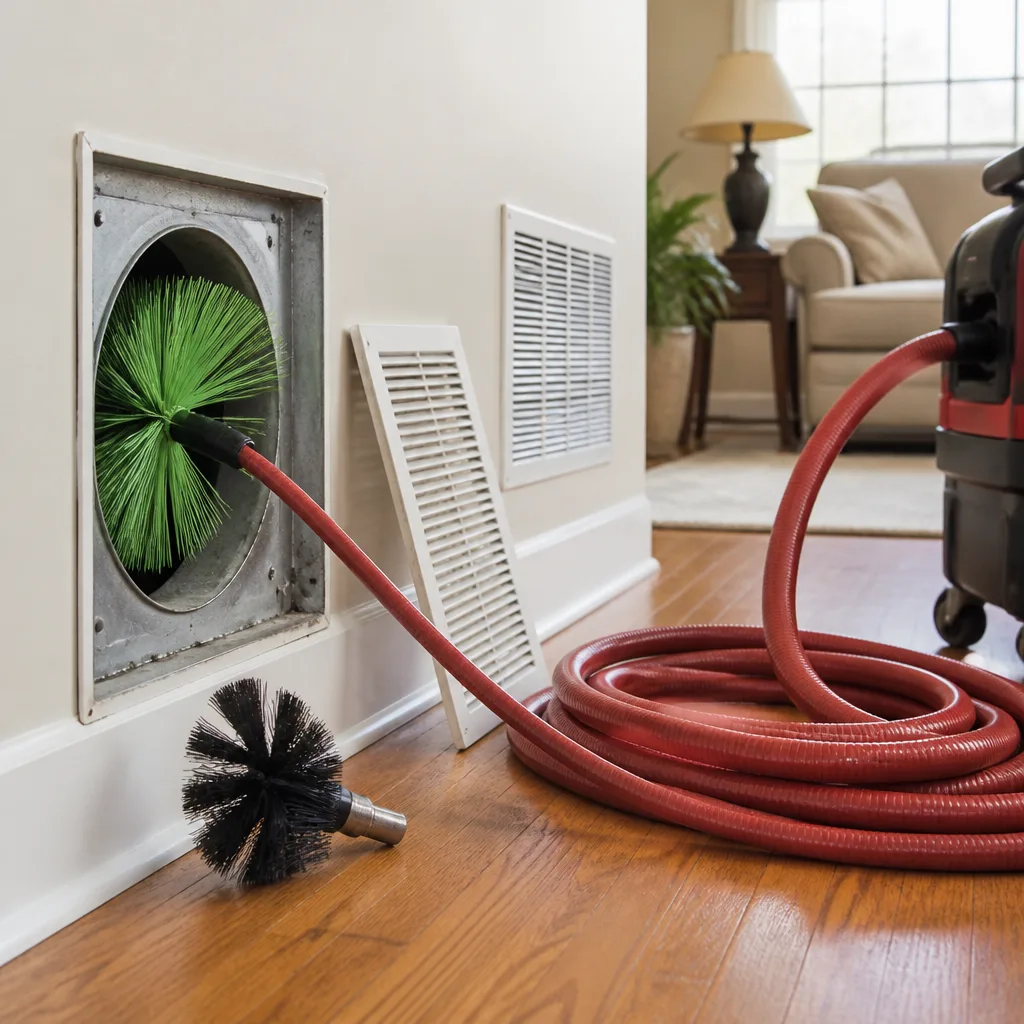
 Dryer vent cleaning
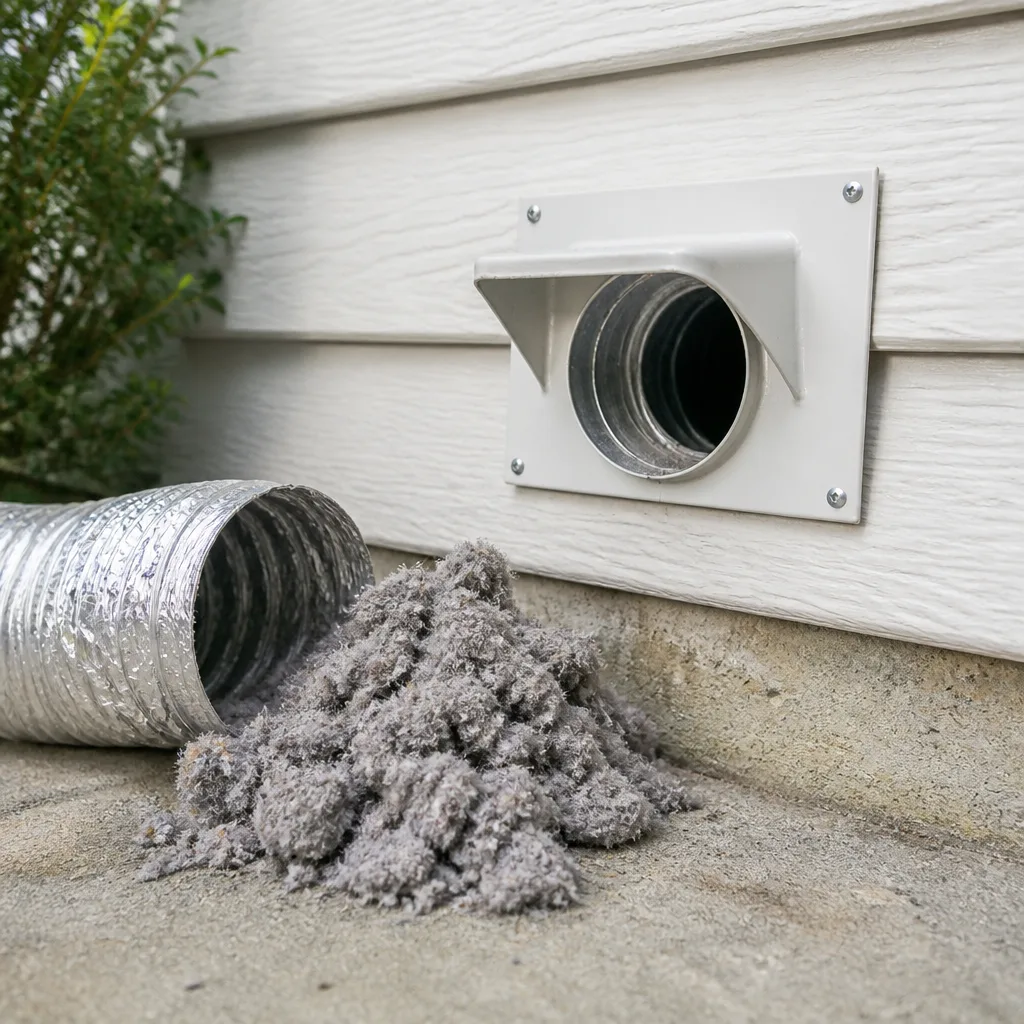
 Camera inspection
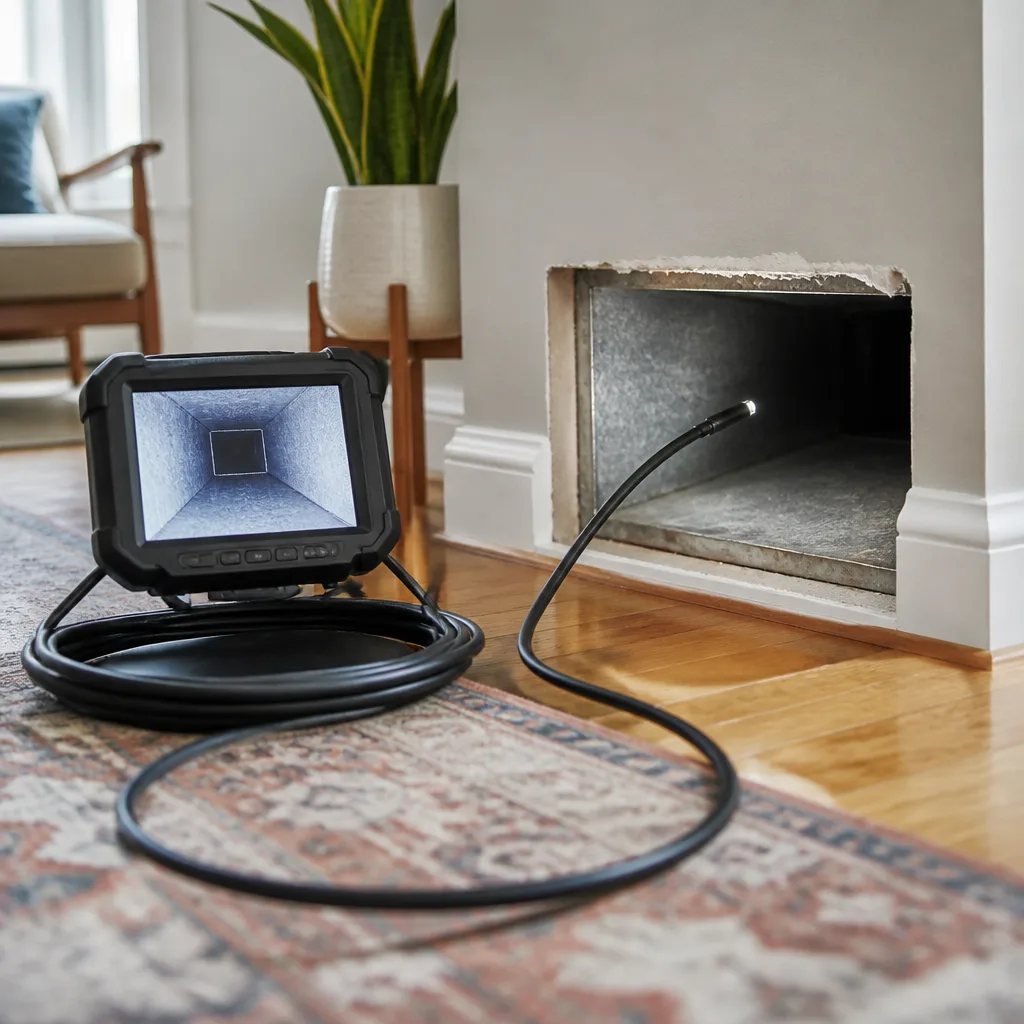
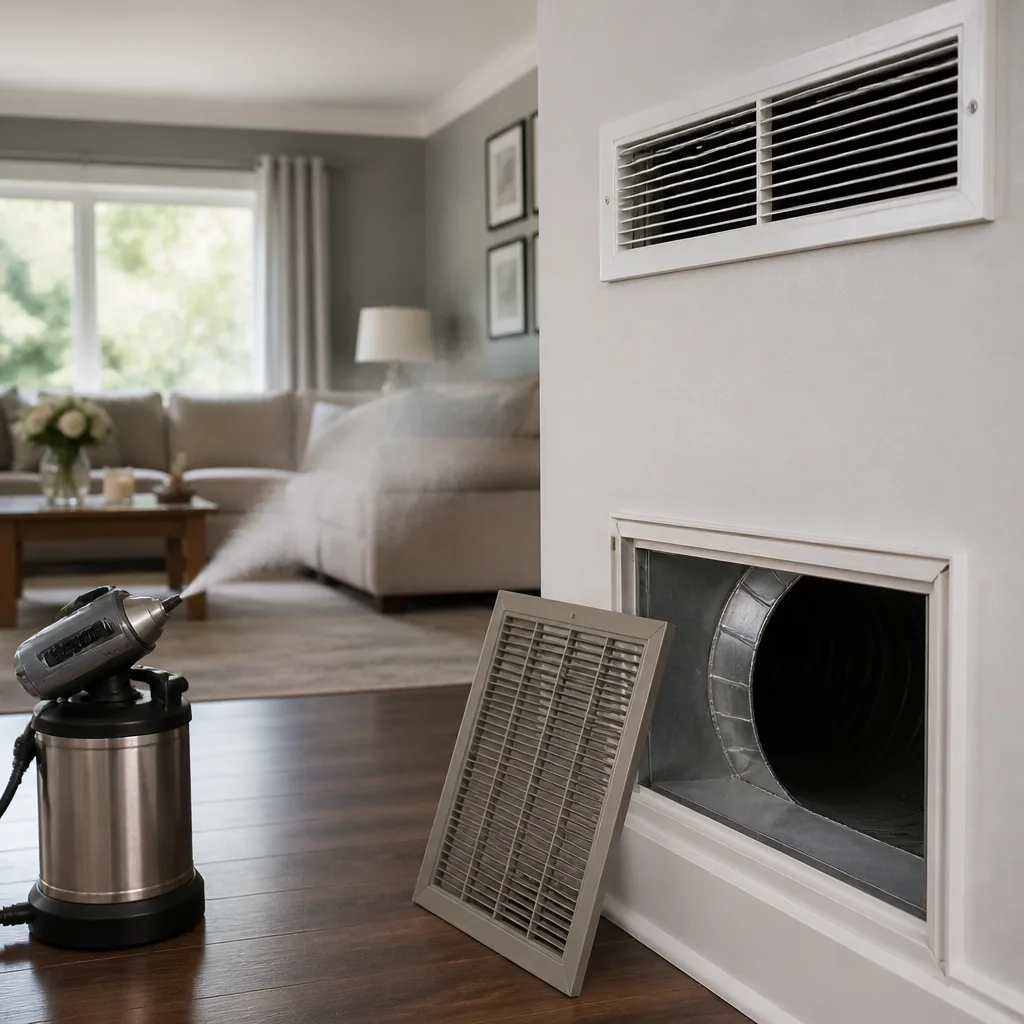 Sanitizing & deodorizing
Whole-system duct and dryer vent check with before-and-after photos - you see exactly what came out of your vents
That "$99 whole-house special" is a bait ad - the real number appears once they are in your hallway, or the "clean" is a shop-vac at the register. We photograph the inside of your ducts before and after instead.
Choosing the Right Air Duct Cleaning Brand: A Buyer’s Guide for Salinas
Plenty of duct cleaning ads you’ll see around Salinas come from companies that don’t own a single piece of equipment. They book the job over the phone, sell you on a familiar-sounding name, and then hand the work to a subcontracted crew nobody has vetted. The logo on the invoice and the people in your hallway are two different businesses. That’s the part most buyers never see coming, and it’s why the brand recognition game is a bad way to pick a duct cleaner. This guide is about the questions that actually separate a capable operator from a lead-generation funnel: who owns the tools, who does the work, what certifications mean in practice, and how to verify it all before you book in Salinas.
Quick Answer
The right air duct cleaning company in Salinas is one that owns its professional-grade equipment, sends technicians it directly controls, holds verifiable contractor status with the state, and can clean, service the dryer vent, and repair damage in the same visit. Brand recognition tells you almost nothing; equipment ownership, technician continuity, and a clearly stated scope of work tell you everything. Ask who owns the tools and who’s actually coming, then verify both.
Styles & brands we work with
- Whole-home duct cleaning
- Dryer vent cleaning
- Camera inspection
- Sanitizing & deodorizing
Table of Contents
- Why the Brand on the Truck Isn’t the Whole Story
- Equipment Ownership: The Question That Reveals the Business Model
- Local Owner-Operators vs. National Franchises
- NADCA, Manufacturer Certifications, and No Certification: What Each Means
- Using the CSLB Lookup Before You Book
- Scope of Work: Full-System Specialists vs. Accessible-Section Cleaners
- What Salinas Homes Actually Need From a Duct Cleaner
- A Step-by-Step Verification Process
Why the Brand on the Truck Isn’t the Whole Story
There’s a structural problem in the air duct cleaning trade, and it’s worth understanding before you make a single call. Several of the most-advertised duct cleaning brands in California are lead generators at their core. Their business is marketing and search placement, not duct work. They collect your call, sell or assign the job, and a crew you’ve never spoken to shows up at your door. That crew might be excellent. It might also be working with a rented shop vac and a rotating brush, because the brand name on your service agreement never guaranteed a standard of equipment.
This isn’t unique to California. But Salinas has a specific wrinkle: the market is small enough that national brands rarely station real crews here. They cover the area through subcontractors who may drive in from another county or squeeze your job between others. When something goes wrong, the complaint goes to a call center, not to the person who did the work.
So how do you tell the difference? Ask directly. A legitimate operator can answer these without hesitation:
- Do you own your equipment, or do you rent, lease, or work under someone else’s? The answer should be immediate.
- Are the technicians who come my own employees or direct partners, or subcontractors booked by a third party?
- Can you give me the name and license status of the company that will actually perform the work?
- If I have a problem after the visit, who do I call?
A lead generator stumbles on the last two. A real operator doesn’t.
Equipment Ownership: The Question That Reveals the Business Model
Equipment is the clearest tell, because buying and maintaining professional duct cleaning machines takes capital, and lead-generation operations avoid capital. A serious air duct cleaning operation runs truck-mounted or heavy portable systems built for the trade. Consumer rental vacuums and shop vacs don’t have the airflow or containment to move the volume of debris a full residential duct system holds.
Here’s what to listen for when a company describes its tools:
- Rotobrush and Nikro systems are purpose-built duct cleaning equipment used on residential systems. They agitate and extract, and they’re designed for the shape of real ductwork, not flat floors.
- Abatement Technologies air filtration belongs to the category of equipment used in mold and hazardous-material remediation. When a crew deploys this during a cleaning, it’s managing what goes airborne in your house, not just what comes out of the vents.
- Honeywell and Aprilaire familiarity signals a technician who understands the whole air quality setup: filters, humidifiers, and controls, not just the metal runs in the walls.
We run Rotobrush and Nikro equipment on every job and use Abatement Technologies filtration during service, which is why we treat the airborne output of a cleaning as importantly as the extraction. But the point for you as a buyer isn’t which brand names a company drops. It’s whether the company can explain what each tool does in plain language. If a caller can’t tell you how their vacuum handles a return trunk versus a branch line, the equipment conversation is theater. Ask follow-up questions. Verify the answer makes sense.
One more signal: full-system capability. A company set up only for cleaning can’t fix what it finds. If they uncover crushed flex duct, a disconnected joint, or a failing dryer vent run, you want the same operator to correct it rather than hand you off to another contractor. We clean it, and if we find damage, we fix it, same visit. Ask any company you’re considering whether they can say the same.
Local Owner-Operators vs. National Franchises
Franchises bring consistency of process and a recognizable name. Owner-operators bring something more valuable in duct work: technical judgment. Duct cleaning is a physical trade that varies house to house. Some systems are flex duct spiderwebs. Others are rigid metal with decades of accumulation. The technician’s ability to read the system in front of them matters more than the logo.
In our experience, the gap shows up in three places:
- Continuity. The same people answer the phone, do the work, and handle any follow-up. No re-explaining your job to a new department.
- Technical depth. A local operator lives on high-mileage equipment and knows when to use a whipping brush versus a forward-and-reverse head, and knows to pause when a run feels wrong.
- Local knowledge. Salinas neighborhoods vary in housing age and construction, and a technician who works here regularly encounters the same system types again and again.
None of this means every franchise is bad or every local business is good. It means brand size isn’t a proxy for quality. Evaluate the specific operator, regardless of what’s stenciled on the truck. Have a specific house in mind? Our Salinas page lays out local details.
NADCA, Manufacturer Certifications, and No Certification: What Each Means
Certification is the single most misunderstood item on a duct cleaning quote. Three different things get sold as “certified,” and they don’t mean the same thing.
NADCA, the National Air Duct Cleaners Association, offers certifications tied to a professional standard for the trade. An NADCA-certified technician or firm has documented training in the association’s methods. It’s a real credential and a genuine baseline signal of professional seriousness.
Manufacturer certifications are different. Being certified on Honeywell or Aprilaire equipment, for example, means the technician is trained to work on that maker’s air quality hardware. That’s valuable if you have a whole-home air quality system that includes filtration, humidification, or controls. It tells you the technician understands the equipment around your ducts, not just the ducts themselves. It doesn’t substitute for a trade-wide standard, and a company shouldn’t pretend it does.
No certification means exactly that. Sometimes an excellent tradesperson hasn’t pursued certification. Sometimes a lead generator has a logo that implies training that doesn’t exist. Ask what certification the company holds, then verify it independently rather than accepting whatever answer is cheerfully given.
The practical rule: NADCA or an equivalent professional standard, plus good technical answers, plus verifiable contractor status, is a strong combination. Certification alone isn’t enough, and marketing language like “certified technicians” means nothing until you ask: certified by whom, and in what?
Using the CSLB Lookup Before You Book
The Contractors State License Board (CSLB) maintains a public lookup that any California homeowner can use to check a contractor’s license status. We treat it as non-negotiable due diligence. Before you book any duct cleaning company that presents itself as a licensed contractor, look them up.
The lookup tells you several things worth knowing:
- Whether the license is active, expired, or suspended.
- The contractor’s license classification.
- Whether there’s a recorded complaint or disciplinary history.
- Whether the license belongs to the company you’re talking to, or to a different entity entirely.
That last point is the one most homeowners miss. A subcontracted crew might work under the marketing company’s name while the actual contracting entity is someone else. Matching the name in the lookup against the name on your service agreement solves that in two minutes. Air duct cleaning that involves repair work, including dryer vent and duct repair, can require proper contractor licensing for the repair portion. Ask before you sign, and confirm what applies to the job you’re booking.
The CSLB lookup is the fastest way to see whether a company’s licensing claim holds up. Do it for a national brand and a local operator alike. It’s free, and the answer is definitive.
Scope of Work: Full-System Specialists vs. Accessible-Section Cleaners
The most common complaint about duct cleaning is that the company cleaned what it could reach easily and called it done. A technician who brushes a few accessible branches and then lifts up a shop vacuum isn’t cleaning the system; they’re spot-checking it. Full-system work follows the actual airflow path.
A full-system air duct cleaning should cover these elements:
- Supply and return runs throughout the house, not just the registers you can see.
- The main trunk lines where debris concentrates most heavily.
- The air handler and accessible components, cleaned without damaging the equipment.
- The dryer vent as a separate service, because lint buildup in the exhaust run is a documented fire risk and a different job from the HVAC ducts.
- Before-and-after documentation, so you can see the state of the system before and after, not take it on faith.
In our experience, the questions that expose a limited operator are straightforward. Ask for a written description of what the job will cover. Ask how the crew handles a branch line that’s hard to access. Ask what happens if a run turns out to be damaged or disconnected. And ask whether the price is per system or per vent. A per-vent model encourages a technician to do the minimum on each vent; a one-price-per-system model lets the crew spend the time the duct actually needs. Our estimate is one flat price per system agreed before we start, and we don’t price per vent.
One more scope item specific to Salinas: air quality inside a home can be worse than what’s outside, especially in a valley climate where dust and pollen sit close to the ground. That makes containment during cleaning matter. Ask how the crew controls airborne dust during the job. A company using equipment like Abatement Technologies filtration has a clear answer.
What Salinas Homes Actually Need From a Duct Cleaner
Salinas sits in a mild-winter valley with a long dry season. That shapes what accumulates inside duct systems here in ways a coastal or mountainous climate doesn’t. Dust and fine pollen settle persistently during the dry months, and the first time the heating or cooling system runs hard, that accumulation becomes airborne. Homes with allergy-sensitive occupants notice it first. The result is that Salinas households tend to benefit from duct cleaning as an air quality service, not just a maintenance item.
Local housing stock reinforces the point. Salinas has a wide mix of homes, from older single-story properties with original metal ductwork to newer construction with long flex runs and tighter building envelopes. Older homes often have disconnected joints or crushed sections that were never caught because nobody looked inside the ducts. Newer homes typically run cleaner but can hide debris left from construction. Both types benefit from an operator that inspects first and cleans to what it finds, rather than a crew that runs the same routine on every house.
The other local angle is safety. Dryer vent cleaning in Salinas matters because lint buildup is the leading cause of residential dryer fires regardless of climate. A duct company that treats dryer vent service as a throwaway upsell isn’t trustworthy on that front. We treat it as a fire-safety service, and we’ll say so plainly. Want the full local picture? See what our dryer vent cleaning page covers.
When you’re evaluating companies, use these local signals:
- Whether the crew inspects before cleaning, rather than running a fixed routine.
- Whether they can explain how valley dust and pollen affect your specific system.
- Whether they service both HVAC ducts and the dryer vent, or only one.
- Whether they’ll show you before-and-after photos of the system they cleaned.
A Step-by-Step Verification Process
You don’t need to be an expert to vet a duct cleaning company. You need a short, repeatable process. Here’s ours, and we recommend it whether you hire us or someone else:
- Ask who owns the equipment. If the answer is vague, or the company works through subcontractors, ask specifically who will do the work and whether you can speak to that entity.
- Ask about certifications. Note whether the company holds a professional trade certification like NADCA, a manufacturer certification on equipment like Honeywell or Aprilaire, or no certification. Then ask what each one required.
- Look up the contractor on CSLB. Confirm license status, classification, and complaint history, and match the name in the lookup to the name on the service agreement.
- Get the scope in writing. Supply runs, return runs, main trunks, air handler, dryer vent, and documentation of before-and-afters. If any element is missing from the written scope, ask why.
- Confirm the pricing model. One flat price per system agreed in advance, not per vent, not a teaser figure that expands once the technician is on site.
- Ask about repair capability. If the crew finds damaged or disconnected ductwork, can they fix it in the same visit, or will you be handed off to another contractor?
- Ask how they handle containment. What equipment captures the dust that becomes airborne during cleaning?
Any company worth hiring handles all seven without defensiveness. If one step produces hesitation, that’s your answer. If they get through all seven cleanly, you’ve done more than most homeowners do. Call (855) 360-8094 to run our version of the checklist with our team. We answer 24/7. Fast dispatch from 7am to 7pm, Sunday through Friday.
Common Mistakes to Avoid
- Choosing on price alone. A low teaser figure is often the opening of a pitch that grows once the technician is on site. Ask for the whole-system price up front and get it in writing.
- Accepting a brand name as proof of quality. A lead generator can advertise a familiar name. That name doesn’t guarantee who’s showing up at your door.
- Not verifying the contractor on CSLB. Two minutes on a public database answers what a sales pitch never will.
- Booking a per-vent price. Per-vent pricing encourages a technician to do the minimum on each vent. Whole-system pricing lets the crew spend the time the duct actually needs.
- Skipping the dryer vent. In Salinas, as anywhere, lint buildup in the exhaust run is a fire risk. Treat it as a safety service and make sure it’s on the scope.
- Letting a crew clean around a known problem. If the ducts are crushed or disconnected, cleaning them without repairing them wastes the visit. Ask upfront whether the company can repair in the same visit.
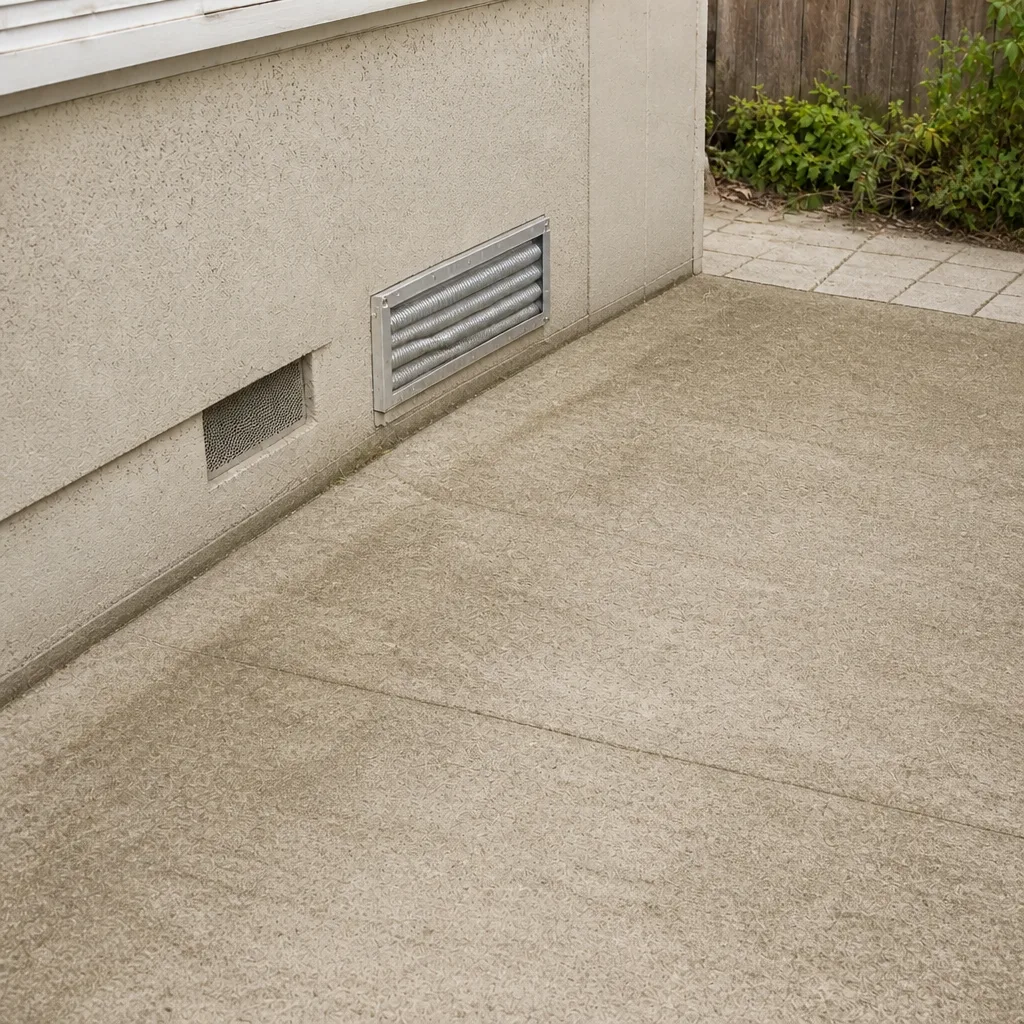
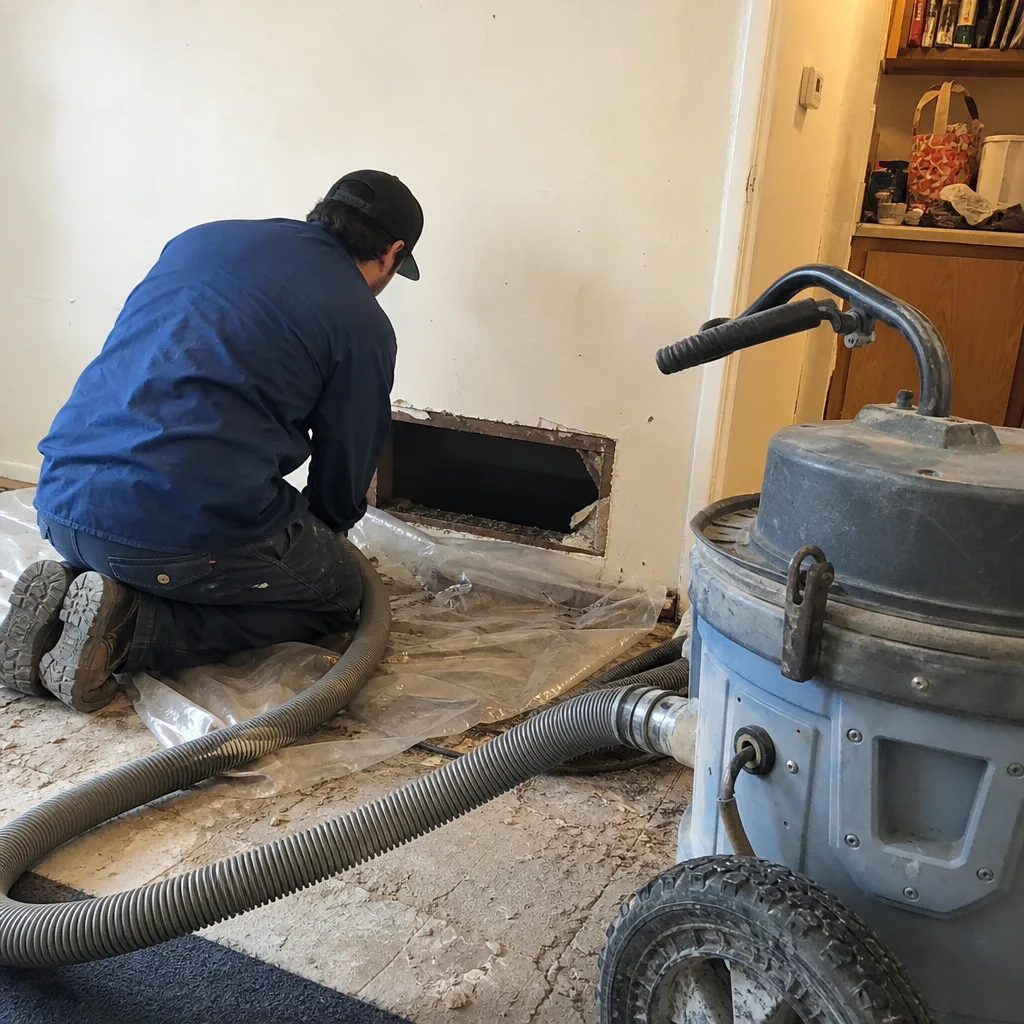
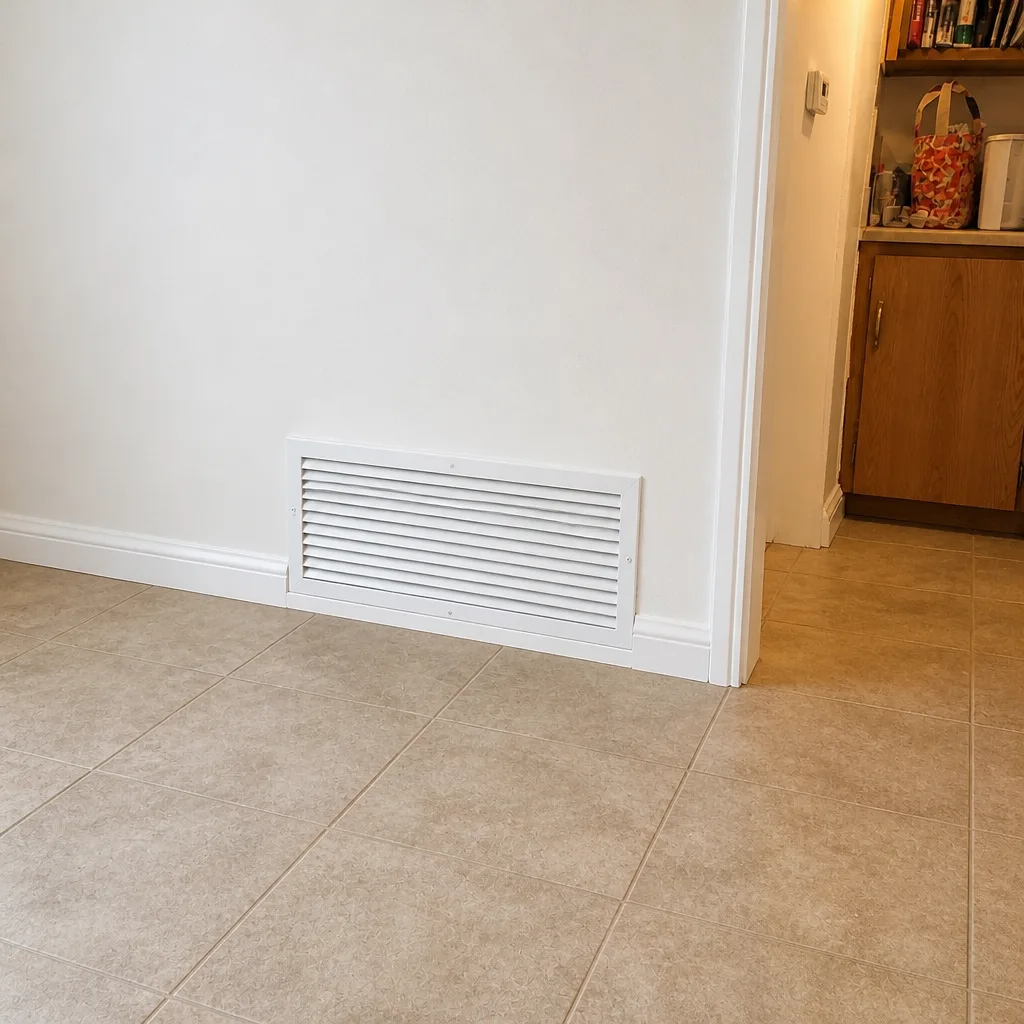
- Not asking for before-and-afters. If you can’t see what was done, you have only the crew’s word for it. Request photos of the ducts before and after.
See the difference
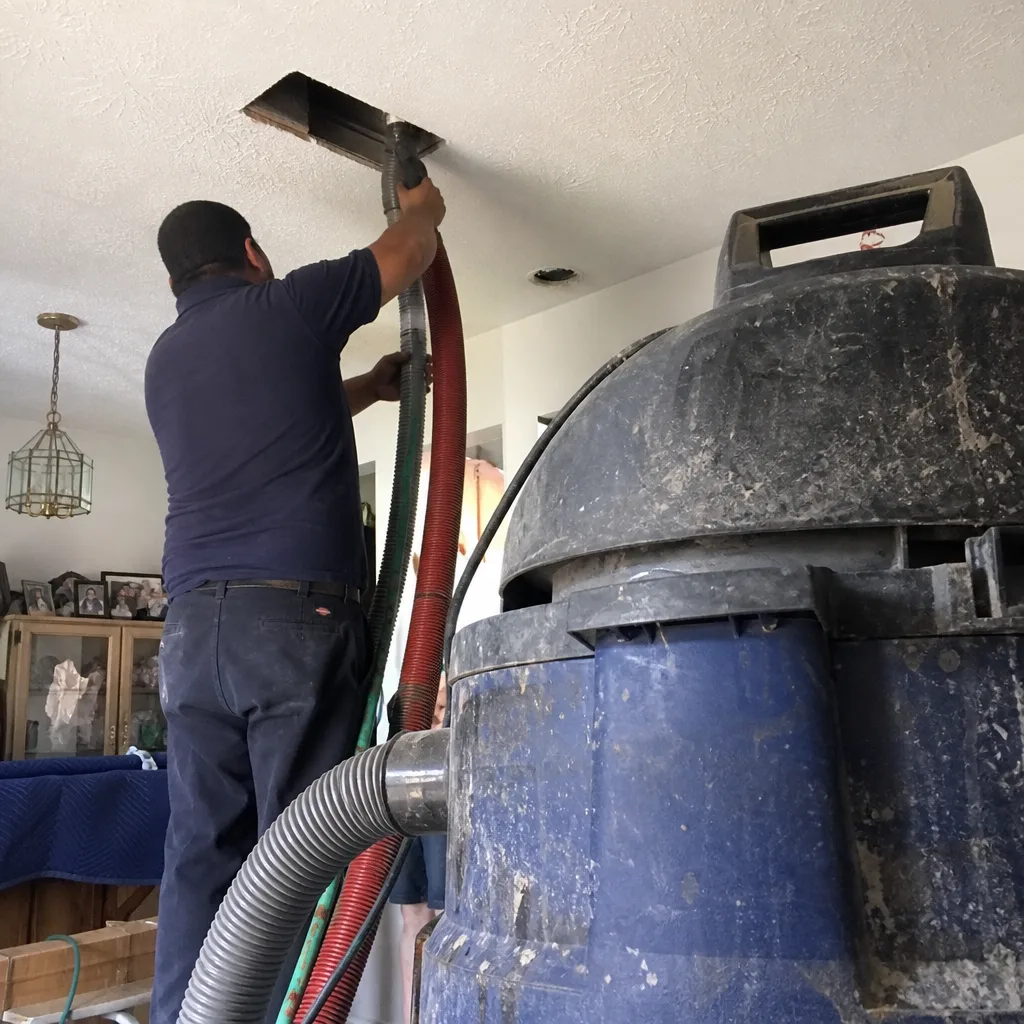 Before
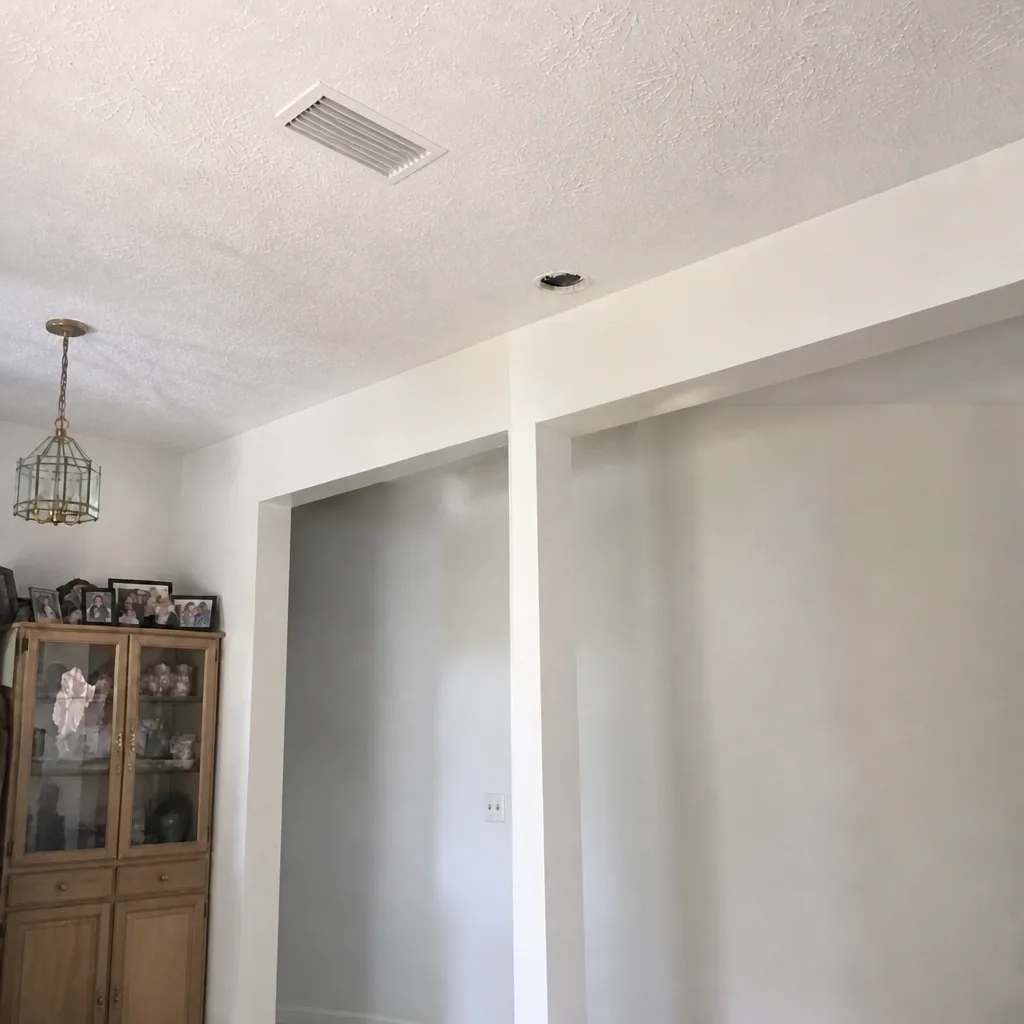 After
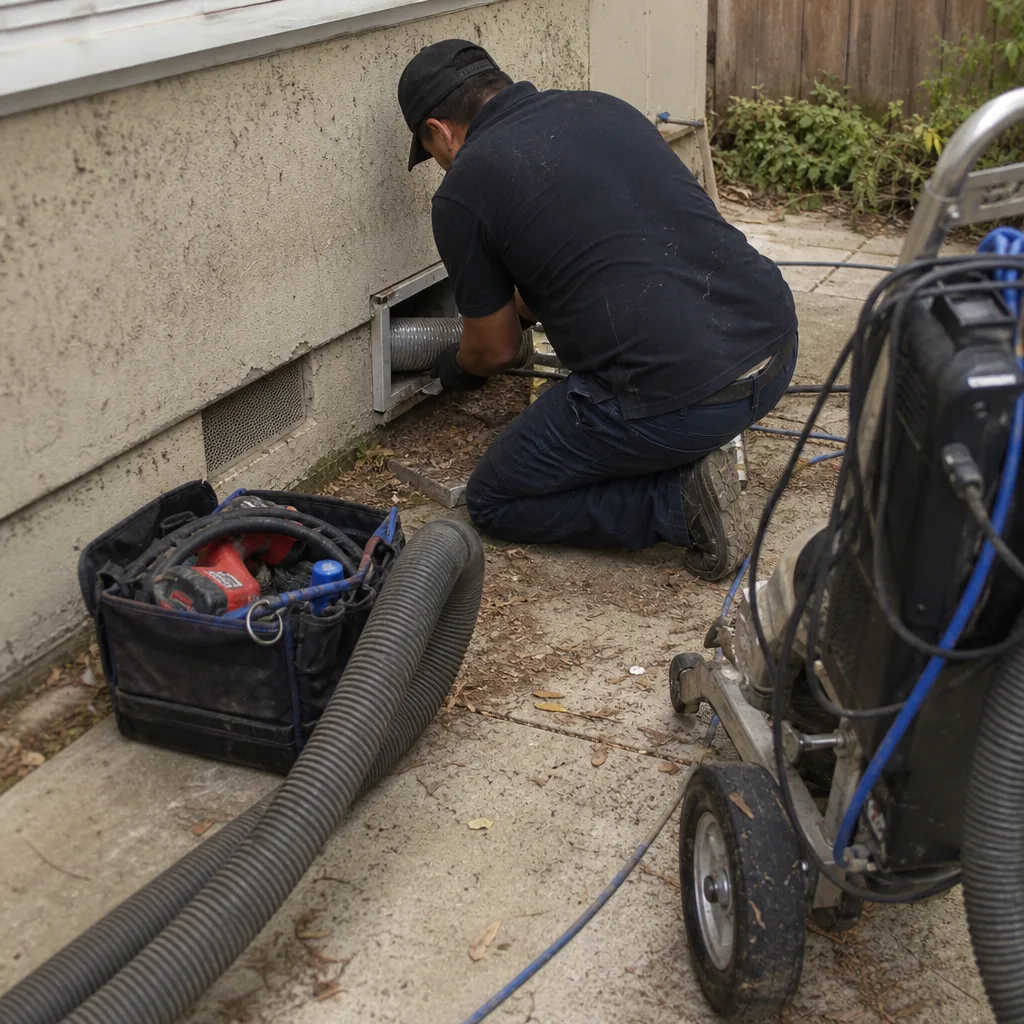 Before
 After
 Before
 After
When to Call a Professional
Some duct issues are clearly outside DIY territory. If you notice a persistent musty smell when the heating or cooling system runs, visible debris blowing out of supply registers, or allergy symptoms that spike indoors, it’s time to book a professional inspection. If your dryer is taking much longer to dry clothes than it used to, or the outside vent flap doesn’t move freely, the lint run is a safety concern, not a maintenance idea. If you’re a property manager responsible for multi-unit housing, a professional cleaning with documentation protects both tenants and you. In any of these cases, book a qualified operator rather than a rental vacuum. Duct Cleaning Salinas offers free estimates in Salinas. Call (855) 360-8094 to schedule one.
Frequently Asked Questions
Ask directly: “Do you own your equipment, and are the technicians coming employees or subcontractors?” Then ask for the name of the specific entity that will perform the work and its license status. A real operator answers in one sentence. A lead generator deflects to a call center script. Cross-check the answer on CSLB to confirm the business is real and the license matches the name on your agreement.
They cover different things. NADCA certification reflects trade-wide training in duct cleaning standards. Manufacturer certifications on equipment like Honeywell or Aprilaire show the technician is trained on that maker’s air quality hardware. Both are useful, and neither substitutes for verifying license status and getting a written scope of work. A company claiming certification should be able to tell you what it required and let you verify it.
Pricing varies by system size and condition, so the honest answer is that you should get a written estimate for your specific home. The pricing model matters more than the headline number: one flat price per system agreed before work starts protects you from the low-coupon-then-big-invoice experience that gives this industry its reputation. We quote per system, not per vent, and the written estimate sets the final price. Call (855) 360-8094 for an exact quote.
Usually because the scope is smaller or the equipment is lighter. A shop vacuum and a hand brush cost a fraction of a Rotobrush or Nikro system, and a crew that cleans only the accessible branches gets through the job faster than one that cleans the full system including the main trunks. Ask any cheap quote what the written scope covers. If they can’t tell you, you’re not comparing the same service.
Ask for before-and-after photos of the system the crew cleaned. A professional operation expects to document its work. Also ask what the crew found during inspection, and whether anything needed repair. If you’re told the ducts looked fine but there’s no photo to back it up, ask for the photo. Visual proof is the simplest way to know the work was real.
Sometimes. It depends on the operator. Companies that only clean can’t fix what they find, so they hand you off to someone else or leave the problem in place. Look for a company that offers air duct cleaning, dryer vent cleaning, and air duct repair as a package. That way a crushed flex run or a disconnected joint can be corrected before the crew leaves, which saves a second appointment and a second invoice. Call (855) 360-8094 to confirm scope for your home.
The Bottom Line
Salinas homeowners get the best duct cleaning outcome by evaluating the operator, not the logo. The useful tests are simple: who owns the equipment, who does the work, what certifications actually mean, what CSLB says about license and complaint history, and whether the written scope covers the full system including the dryer vent. A company that answers all of those plainly, and can back the answers with a flat per-system price and before-and-after documentation, is worth booking. One that can’t isn’t, no matter what name is on the truck.
If you’re ready to book a free estimate with Duct Cleaning Salinas, call (855) 360-8094. Our technicians have up to 12 years of experience, we run Rotobrush and Nikro equipment with Abatement Technologies filtration on every job, and we clean what we inspect, repair what we find, and show you the photos before we leave. We answer 24/7. Fast dispatch, 7am-7pm, Sunday through Friday. Take a look at duct cleaning in Salinas when you’re ready to get started.
Written by the team at Duct Cleaning Salinas.