
Last updated November 14, 2026
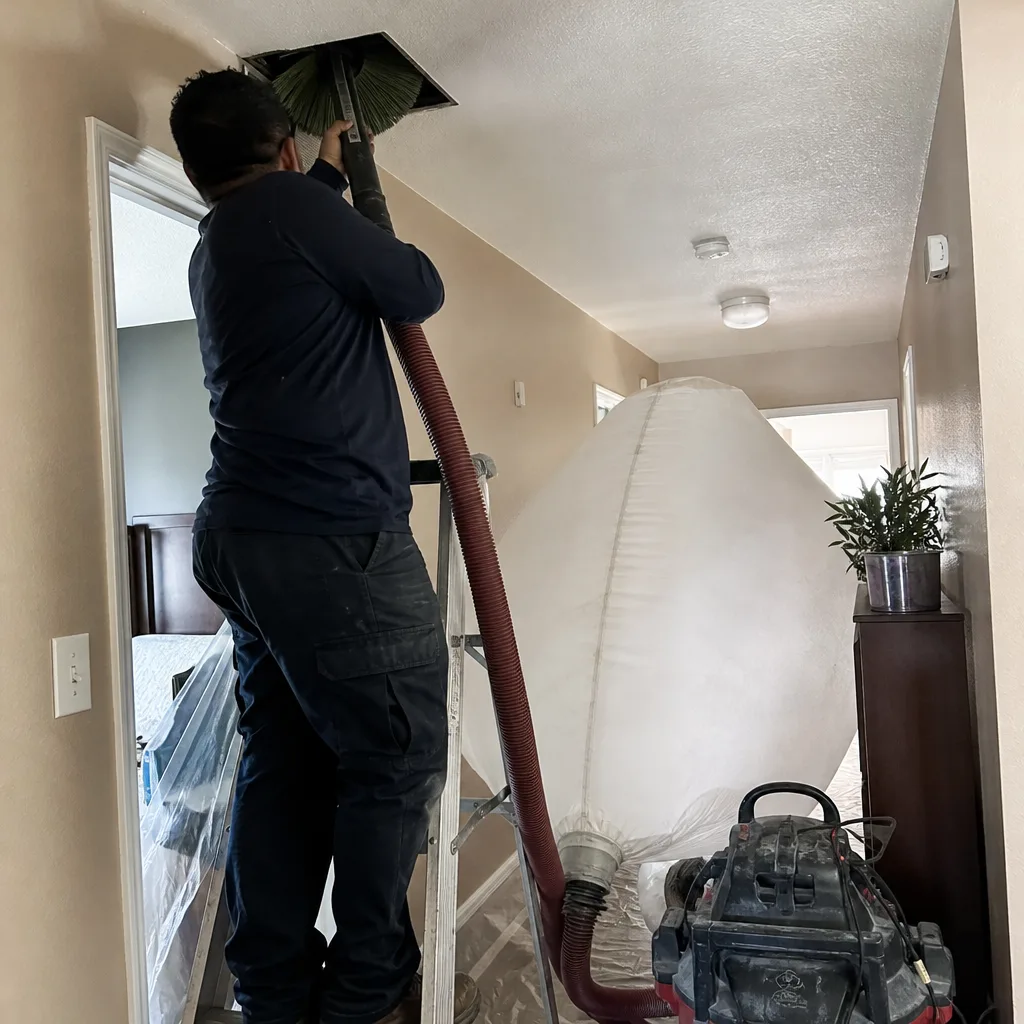
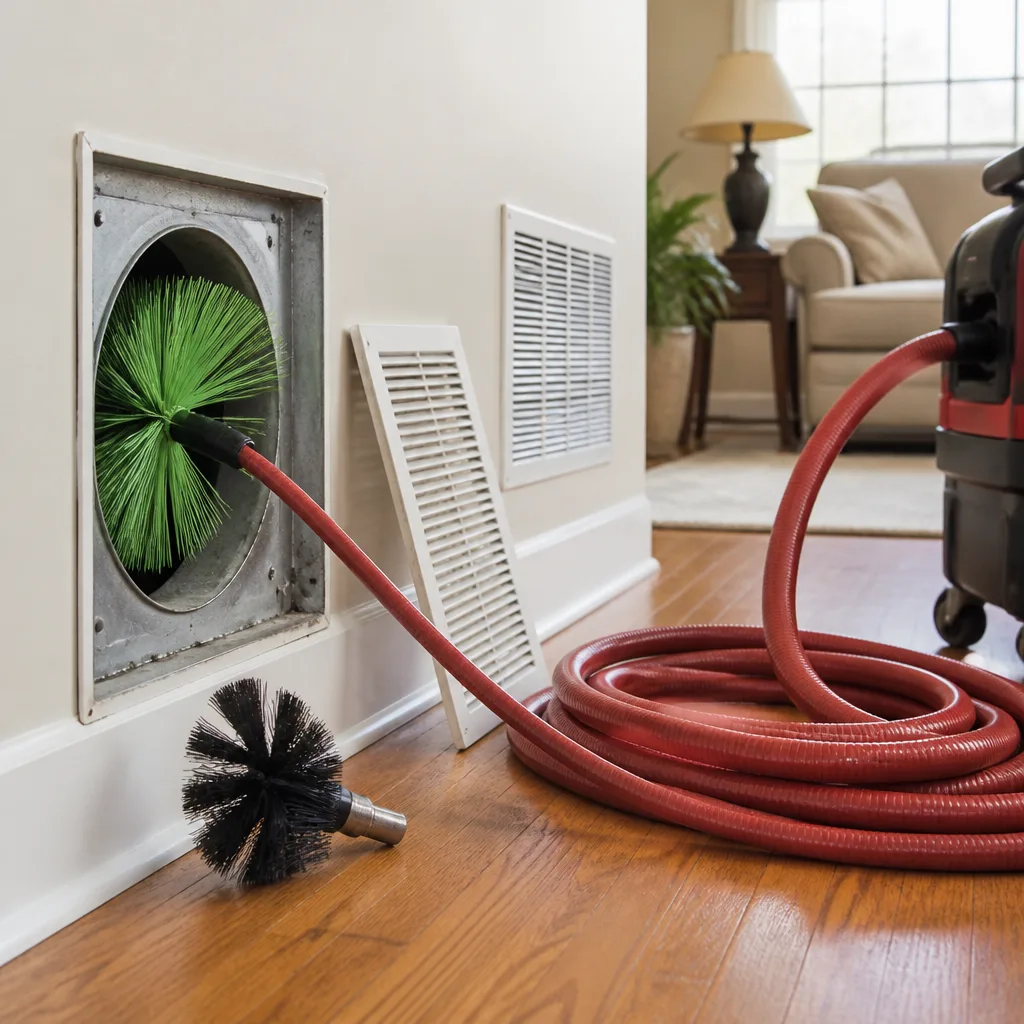 Whole-home duct cleaning
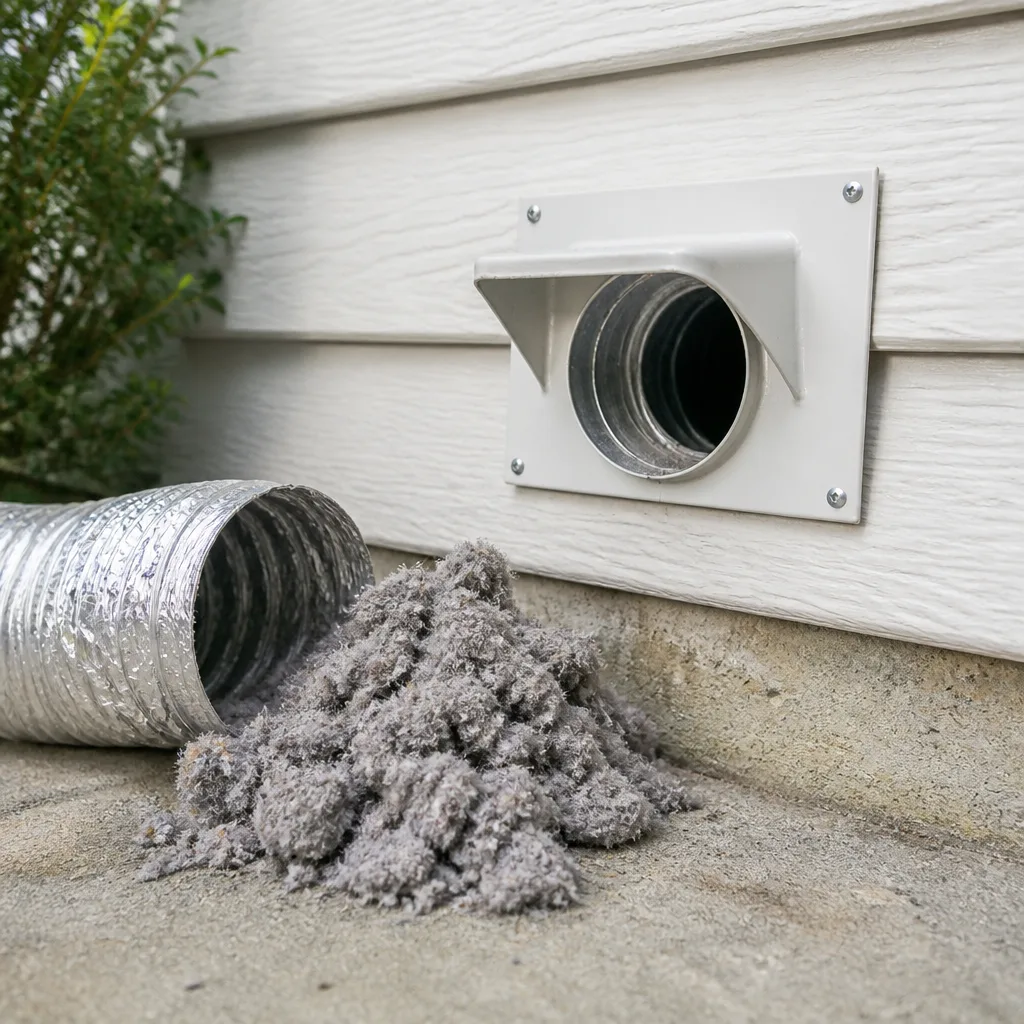 Dryer vent cleaning
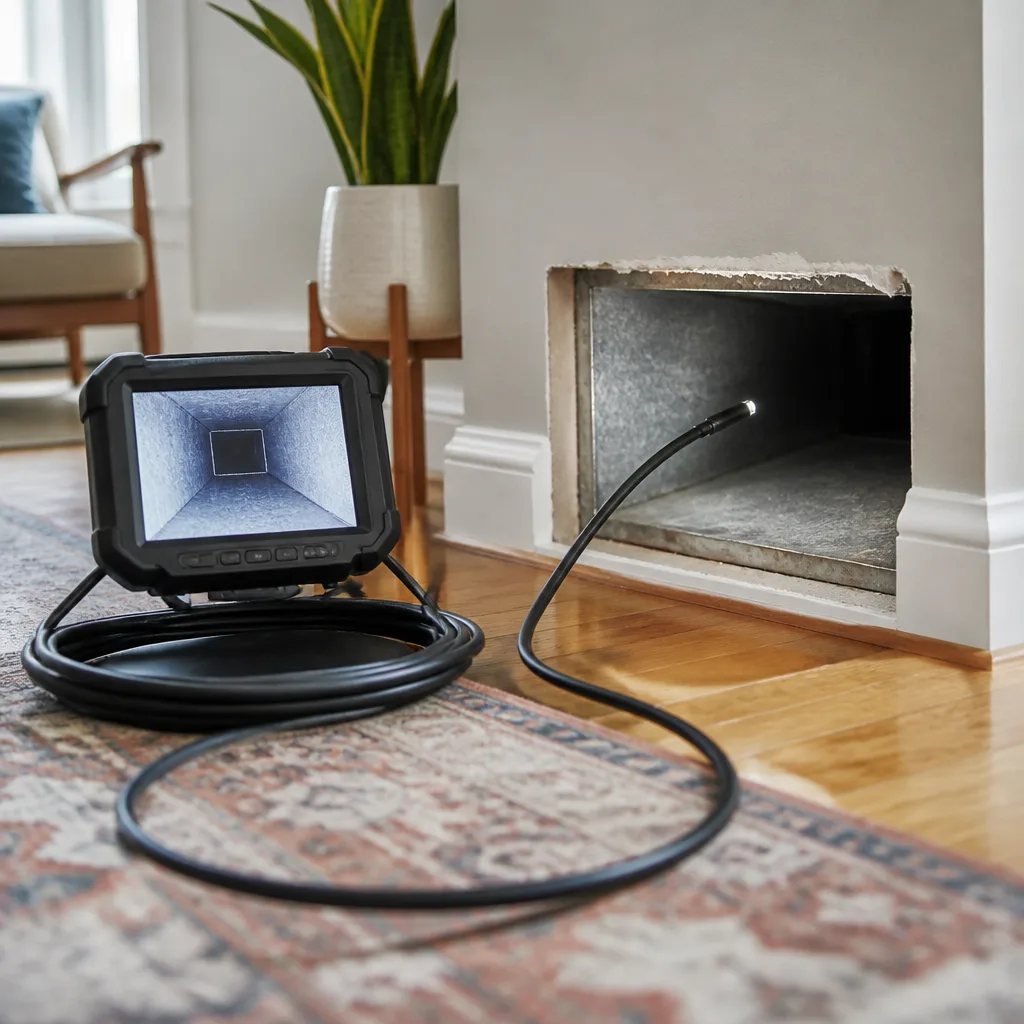 Camera inspection
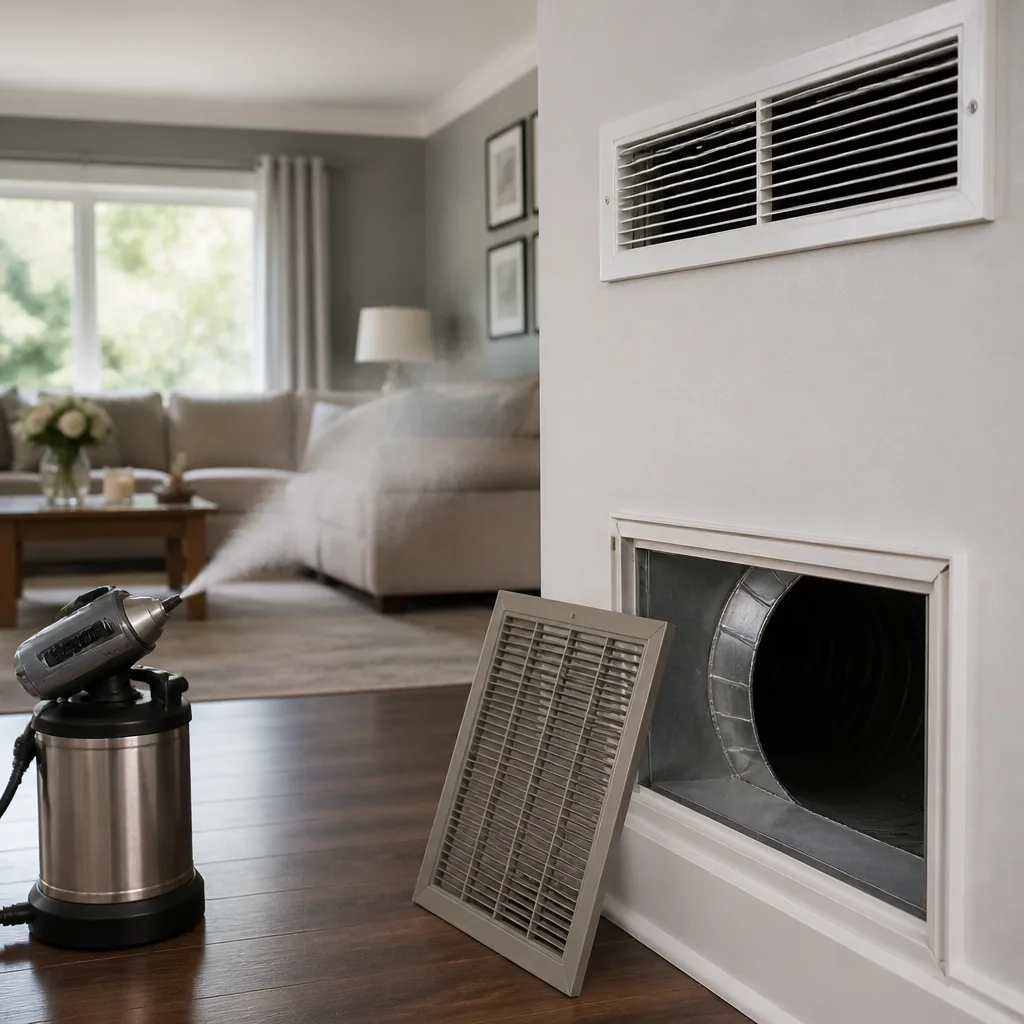 Sanitizing & deodorizing
Whole-system duct and dryer vent check with before-and-after photos - you see exactly what came out of your vents
That "$99 whole-house special" is a bait ad - the real number appears once they are in your hallway, or the "clean" is a shop-vac at the register. We photograph the inside of your ducts before and after instead.
Air Duct Cleaning Troubleshooting in Salinas: Common Problems and How to Fix Them
If a technician cleans your ducts and the musty smell returns within two weeks, the cleaning wasn’t the problem. The duct breach letting crawl space air into the supply run was. That distinction matters more than most homeowners realize, and it’s the reason a cleaning that “didn’t take” is usually a sign the wrong service got sold. Most duct problems people try to fix on their own – weak airflow, stale odors, dusty registers, rooms that never balance – have a mechanical cause sitting inside the duct system itself. Cleaning moves the debris. It doesn’t close the gap. This guide walks you through how to read your own symptoms like a technician, from what a musty odor actually signals to why a leaky return matters more than a dirty supply.
Quick Answer
Most air duct problems in Salinas trace back to one of three things: accumulated debris and biological growth, a structural breach in the ductwork, or negative pressure from a poorly sealed return side pulling unconditioned air into the system. Cleaning fixes the first. Repair fixes the second. Sealing and return-side work fix the third. Identifying which one you’re dealing with before booking a service saves money and prevents a repeat call in three months.
Styles & brands we work with
- Whole-home duct cleaning
- Dryer vent cleaning
- Camera inspection
- Sanitizing & deodorizing
Table of Contents
- The Salinas Symptom Map: Matching Complaints to Causes
- How Salinas Humidity Drives Mold Inside Flex Duct
- Why a Leaky Return Side Causes More Trouble Than a Dirty Supply
- What a Camera Inspection Shows That a Register Check Misses
- Cleaning, Sealing, or Repair: Choosing the Right Fix
- Dryer Vent Troubleshooting: A Separate Safety Problem
- Six Diagnostic Steps Before You Book Any Duct Service
- What Duct Troubleshooting and Repair Costs in Salinas
The Salinas Symptom Map: Matching Complaints to Causes
Homeowners describe duct problems in symptoms. Technicians work in causes. The gap between the two is where money gets spent on the wrong service. Here’s how the most common complaints map to what’s usually behind them.
- Musty or earthy odor that fades and returns. Almost always moisture in the system, not just dust. In Salinas, the likely source is condensation forming on cold duct surfaces or a breach pulling humid crawl space air into a supply run. Odor that returns after cleaning points to a breach that was never sealed.
- Weak airflow at some registers and strong at others. Typically a duct run that’s crushed, disconnected, or leaking at a joint. The air is escaping before it reaches the room. Cleaning won’t restore airflow if the duct can’t carry it.
- Dust settling on registers within days of cleaning. Sugests a leak pulling unfiltered air in downstream of the filter. The filter is doing its job; the duct is bypassing it.
- One room consistently hotter or colder than the rest. Usually a sizing, balancing, or leak problem in that specific run rather than a whole-system cleaning issue. Sometimes a damper is stuck closed.
- Headaches, allergy flare-ups, or a stale smell when the system first kicks on. Often biological growth on the inside of flex duct, especially where the run passes through a humid crawl space or garage ceiling.
- Whistling or rattling at a register. Air escaping through a gap or a poorly fitted boot. Mechanical, not cleanliness.
Read your own complaint against that list before you call anyone. If what you’re describing is dust and odor only, cleaning is likely the right first move. If you’re describing airflow, pressure, or a smell that comes back, cleaning alone will disappoint you. That’s the single biggest source of frustration we hear about from Salinas homeowners who booked a cleaning elsewhere and got billed for a problem that was never going to be solved by a cleaning.
How Salinas Humidity Drives Mold Inside Flex Duct
Salinas sits close enough to the coast that summer fog and overnight marine layer push humidity into crawl spaces and attics. That humidity is the difference between dust and biological growth inside your ductwork. Dust alone is a nuisance. Dust plus moisture is a growth medium.
Flex duct is particularly vulnerable. Its inner liner has ridges and seams that trap fine particulate, and once that layer holds a little moisture, mold colonization can begin in a matter of days in humid conditions. It doesn’t announce itself with a visible stain inside your living room. It shows up as an odor, as allergy symptoms that get worse when the system runs, or as a fine dark speckling on the liner that you can’t see without a camera.
Here’s how to tell the two apart in plain terms:
- Simple dust buildup looks like a uniform gray film. It’s dry to the touch, smells faintly of house dust, and it doesn’t come back within a week or two of a proper cleaning.
- Mold colonization looks patchy or speckled, often darker and clustered near seams, joints, or low spots. It smells earthy or like a wet basement. It returns fast after a cleaning because the moisture source and the organic substrate are still there.
If your ducts are showing the second pattern, cleaning is only half the fix. The moisture has to be addressed or the growth returns. That can mean sealing a breach that’s letting humid outside air in, correcting a crawl space ventilation problem, or repairing a section of flex duct that’s holding condensation. Our technicians have up to 12 years of experience and have seen this pattern play out across Salinas homes season after season. Professional-grade equipment matters here because removal has to be thorough and containment has to be real – we use Abatement Technologies air filtration during service to control airborne particles while we work, not just to claim we do.
Why a Leaky Return Side Causes More Trouble Than a Dirty Supply
Most homeowners picture the supply side when they think about dirty ducts – the registers blowing air into the room. But the return side is where the system’s biggest air-quality problems usually live, and it’s the part people inspect least.
The return duct is under negative pressure. It’s pulling air back to the air handler. If that return run has a leak, a gap at a joint, or a disconnected section, the system doesn’t pull from your hallway – it pulls from wherever the leak is easiest. If the return passes through a crawl space, a garage ceiling, or an attic, the leak is pulling unconditioned, unfiltered air from those spaces and delivering it straight into your living space. That air can carry dust, insulation fibers, moisture, pest debris, and whatever biological growth is living in the crawl space.
This is why a home with clean supply registers can still smell stale every time the HVAC kicks on. The supply side was never the source. The return was.
Signs your return side is the problem:
- A musty or crawl-space smell that appears only when the system runs
- Filters that load up faster than they should, especially with fine gray debris rather than household dust
- A whistling sound near the return grille, which often means the return is undersized or leaking and the system is pulling hard through a small opening
- Dust on horizontal surfaces that keeps returning within days of a cleaning
Fixing a return-side leak is a repair-and-seal job. Cleaning the return without sealing the breach is like vacuuming a room with the window open. This is one of the reasons we don’t sell cleaning as a standalone answer – we look at the whole duct ecosystem, including the return side, and we fix what we find. When we work on air duct cleaning, we inspect the return runs along with everything else and flag what needs repair before the cleaning starts.
What a Camera Inspection Shows That a Register Check Misses
A register check tells you what the duct looks like from the room side. It’s the equivalent of judging a house by looking through the front window. A camera inspection tells you what’s happening inside the run – and that’s where the causes are.
What a camera inspection typically reveals:
- Disconnected or crushed runs, often in flex duct that got stepped on during a remodel or pinched behind a stud
- Debris piles and rodent activity inside the run, especially in ductwork that serves rooms over a crawl space
- Mold growth on the inner liner that’s invisible from the register but obvious under light
- Loose joints and gaps where two sections of duct never got properly sealed
- Contamination inside the plenum or at the air handler that no register-side view will ever show
- Undersized or obstructed runs that explain a room that’s always cold in the summer
Is it worth doing before any cleaning? In our experience, yes, in three specific situations:
You’re about to spend money on a cleaning and you’re not sure it will solve your complaint. A camera check tells you whether the problem is debris or structure before you commit.
You’ve already had a cleaning and the problem returned. The camera shows whether the cleaning missed something or the cause was never in scope.
You’re dealing with an odor that has no obvious source. The camera finds moisture and growth in places a visual check can’t reach.
It also matters before repair. When we quote a repair, we quote it against what the camera shows, not what we think we’ll find. That’s the honest way to set a price – one flat price per system, agreed before work starts, with before-and-after photos of your own ductwork to show the work was done. We use Rotobrush and Nikro duct cleaning systems on every job, and the camera work pairs with that equipment to make sure we’re clearing and fixing the right runs rather than just running a hose down the nearest register.
Cleaning, Sealing, or Repair: Choosing the Right Fix
Three different fixes exist for three different problems. Getting them confused is the most expensive mistake in duct service. Here’s how to know which one you actually need.
When cleaning is the right fix: The ducts are dirty but structurally intact. Dust, pet hair, and fine particulate have accumulated over time, and a professional cleaning with proper containment and extraction will clear them. Typical signs: dust on registers, a stale smell that hasn’t returned after a past cleaning, recent remodeling or construction, or a home you just moved into. Cleaning restores the system to a clean baseline. It doesn’t fix airflow problems that come from damaged ductwork.
When sealing is the right fix: The ducts are clean but leaking. Air is escaping at joints or being pulled in on the return side. Typical signs: dust returning in days, a musty smell when the system runs, whistling at a register, or a room that never gets enough airflow no matter how many times the ducts are cleaned. Sealing closes the leak. Cleaning alone won’t do it.
When repair is the right fix: A run is physically damaged – crushed, disconnected, torn, or so contaminated by mold that the liner has to go. Typical signs: a room with almost no airflow, visible damage near a register boot, a smell that survives a cleaning, or camera evidence of a break. Repair replaces the damaged section and restores airflow.
Many real houses need two of the three, and some need all three in sequence. The right order is diagnose first, then repair, then clean, then seal. Cleaning a duct you’re about to replace is wasted money. Repairing a duct you never cleaned leaves the contamination in the room. Diagnosing this correctly is the whole point of having the three-service capability under one roof: we clean it, and if we find damage, we fix it – same team, same visit. No handoff to a second contractor who starts the diagnosis over. That’s the difference between paying for the right service and paying twice for the wrong one.
Dryer Vent Troubleshooting: A Separate Safety Problem
Dryer vent problems get sorted into the same mental bucket as duct problems, and they shouldn’t. Restricted dryer vent airflow is a fire hazard, not a comfort issue. Lint buildup is the leading cause of residential dryer fires, and the symptoms are easy to misread as normal appliance quirks.
Signs your dryer vent needs attention:
- Clothes take a second cycle to dry, or come out hot and still damp
- The dryer cabinet or the wall behind it feels unusually hot
- A burning or scorched smell during a cycle
- Lint accumulating around the outside vent hood, or visible lint inside the flex run behind the dryer
- A crush behind the dryer where the flex run got pinched against the wall
- Long, winding runs with multiple elbows that trap lint and restrict airflow
The fix for a restricted vent is not the same as the fix for a dirty air duct. It requires proper extraction with equipment built for the job, a look at the entire run for crush points and hidden lint pockets, and an honest verdict on whether the run needs rerouting. dryer vent cleaning is a fire-safety service, and it’s one we treat that way – not a quick add-on to a duct appointment. Cleaning the vent is straightforward; recognizing that a crushed run or an overlong vent is the actual problem is what separates a real fix from a temporary one. If you’re hearing a burning smell or seeing scorched lint, stop running the dryer until it’s been looked at.
Six Diagnostic Steps Before You Book Any Duct Service
You can do a surprising amount of diagnosis yourself before you call anyone. None of it is dangerous, all of it is useful to whoever you hire, and it makes the conversation shorter.
- Walk the house with a timer. Turn the system on, note which registers feel strong, weak, or dead. That map tells a technician where to look first and whether the problem is system-wide or localized to one or two runs.
- Smell the return grille first. A musty smell at the return but not the supply points to the return side as the source. A smell at every register points to something upstream of the supply runs.
- Check the filter. A filter that’s loaded with gray, fine debris in a short window suggests air is bypassing or being pulled in through a leak. A filter that’s clean when it shouldn’t be might mean the system is pulling air from somewhere else.
- Run a white-cloth test. Wipe a register face and a horizontal surface in the room with a white cloth. If both come back gray in days, you’ve confirmed fine particulate is circulating – that’s a system problem, not a room problem.
- Look behind the dryer. Check the vent run for crush points, kinks, or visible lint at the wall connection. This is the one check that’s genuinely a safety issue.
- Note what you can see at the register boots. Gaps where the boot meets the drywall, loose tape, or visible debris inside the boot all suggest the problem goes deeper than what you can see. That’s the point where a camera inspection is worth it.
If your house is in South Salinas, the Alisal, or the older neighborhoods near downtown, older flex duct and original-era boots are the most common culprits. Construction styles changed over the years, and older ductwork runs don’t always hold up to a modern system’s pressure. If you’re closer to the Steinbeck or Laurel Heights areas, you’re more likely to find additions and remodels that left a run pinched behind a wall or a return box that got undersized along the way. Either way, the diagnosis is the same list of steps. The findings differ with the house, not the postal code.
What Duct Troubleshooting and Repair Costs in Salinas
Costs vary with the size of the home, the number of runs, and whether the fix is cleaning, sealing, or structural repair. Here are the typical ranges we work with for Salinas homes, and they’re estimates – a written estimate sets the final price after we’ve looked at the system.
- Whole-home air duct cleaning: typically starts around the mid-hundreds and moves upward with square footage and the number of registers. Priced per system, not per vent – a per-vent price is a red flag, because it tells you the quote isn’t tied to the actual work. It also creates pressure to sell more vents.
- Dryer vent cleaning: usually a modest standalone fee, more if the run is long, winding, or needs rerouting.
- Duct repair (single run): depends on access and the extent of damage. A short section replacement is on the lower end; a full run through a crawl space is on the higher end.
- Return-side sealing: varies with how much of the return is accessible. Accessible attic and crawl space returns are simpler than runs buried behind drywall.
- Camera inspection: a small additional charge when done on its own, often included when it’s part of a cleaning or repair job.
What we don’t do is quote a low teaser number and then add charges once we’re on site. One flat price per system, agreed before work starts, with before-and-after photos of your own ducts so you can see what was actually done. That’s how a homeowner knows the work happened. We use professional-grade equipment on every job – – because the alternative, a shop vac and a promise, is what the fly-by-night end of this trade looks like. If you want a real estimate on your system, call us and we’ll tell you honestly what we see.
Common Mistakes to Avoid
- Hiring a duct cleaning to fix an airflow problem. Cleaning doesn’t restore airflow if the run is crushed or disconnected. It never has, and it never will. If a room is dead and dust isn’t the primary complaint, ask for a camera inspection before you book a cleaning.
- Accepting a per-vent price. A per-vent price isn’t tied to the actual system, which means the quote isn’t either. It’s also how a low teaser becomes a larger invoice once the technician is inside. Whole-system, flat pricing is the honest model.
- Skipping containment during cleaning. If the equipment doesn’t capture what’s being pulled out, the cleaning is releasing particles into your air. Ask what filtration equipment is being used. Professional crews use proper containment; a shop vac and a hose don’t qualify.
- Treating dryer vent cleaning as a low-priority add-on. Lint buildup in a restricted vent is the leading cause of residential dryer fires. It should be scheduled on its own merits, not folded into a duct appointment as an upsell.
- Cleaning the supply side and ignoring the return. A dirty supply with a leaking return stays smelly and dusty after a cleaning. The return side is where the real inflow problems usually live, and it’s the part people inspect last.
- Skipping the camera inspection when the odor keeps returning. Odor that returns within weeks of a cleaning means the cause wasn’t in the dust. It’s moisture, a breach, or both. Cleaning again before diagnosing is paying to re-solve the same problem.
- Booking a cleaning in a Salinas home with a humid crawl space without addressing the moisture. Coastal humidity here means duct cleaning alone doesn’t fix mold colonization – sealing and moisture control do. If the ducts smell musty and return to that smell, the crawl space is part of the conversation.
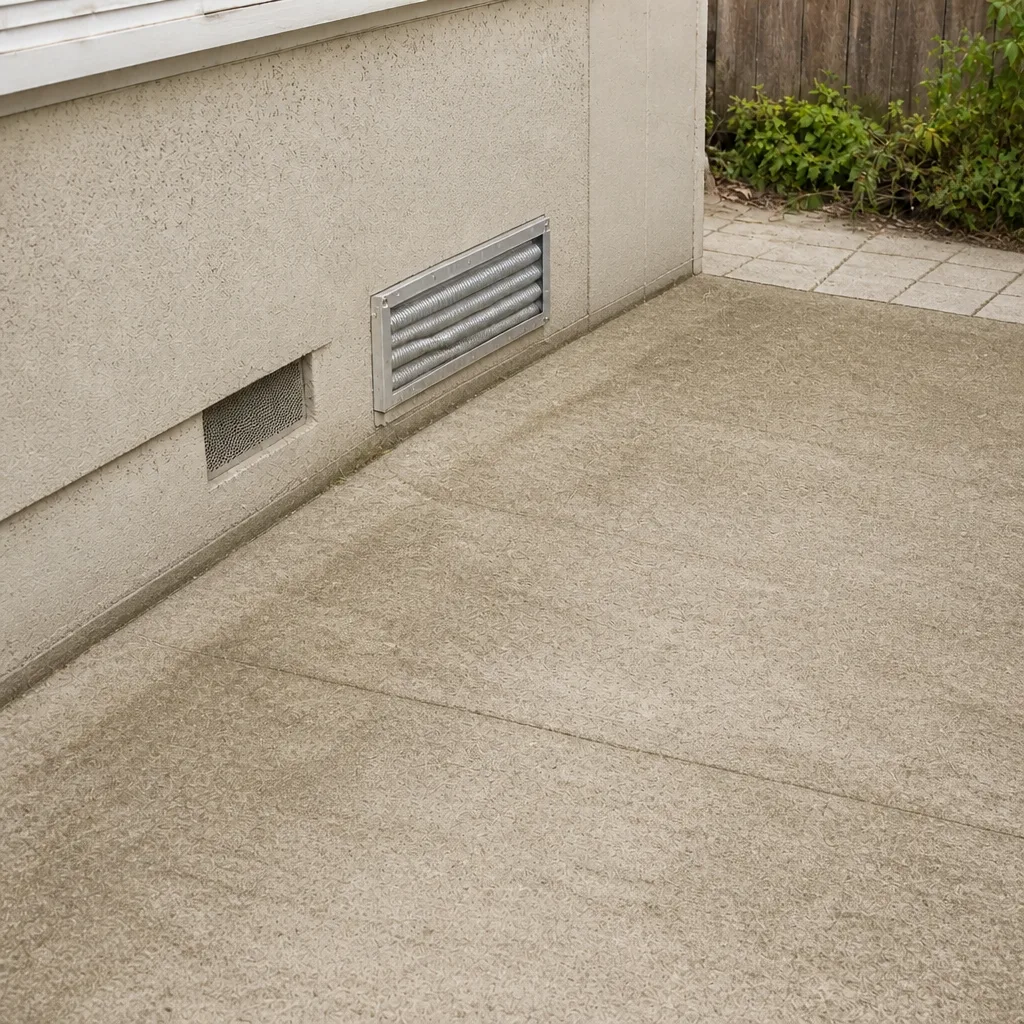
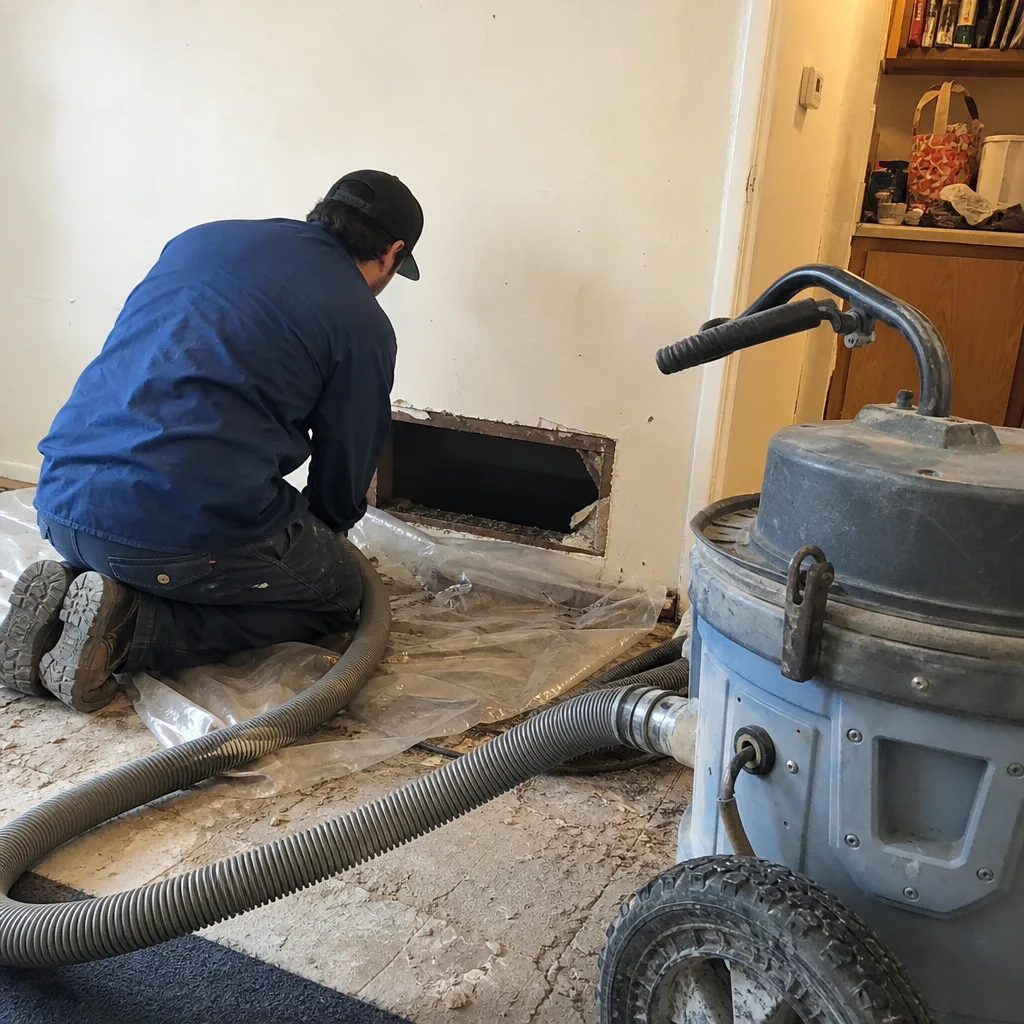
See the difference
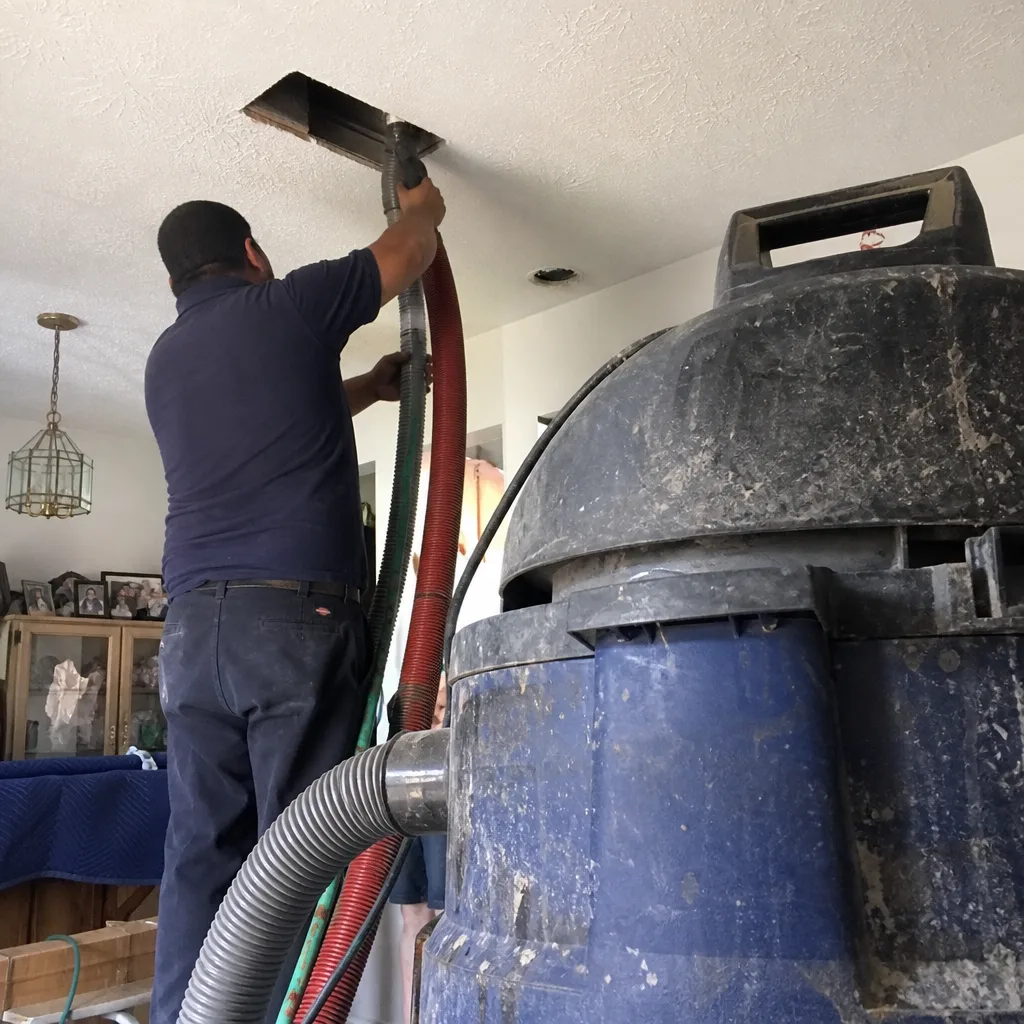 Before
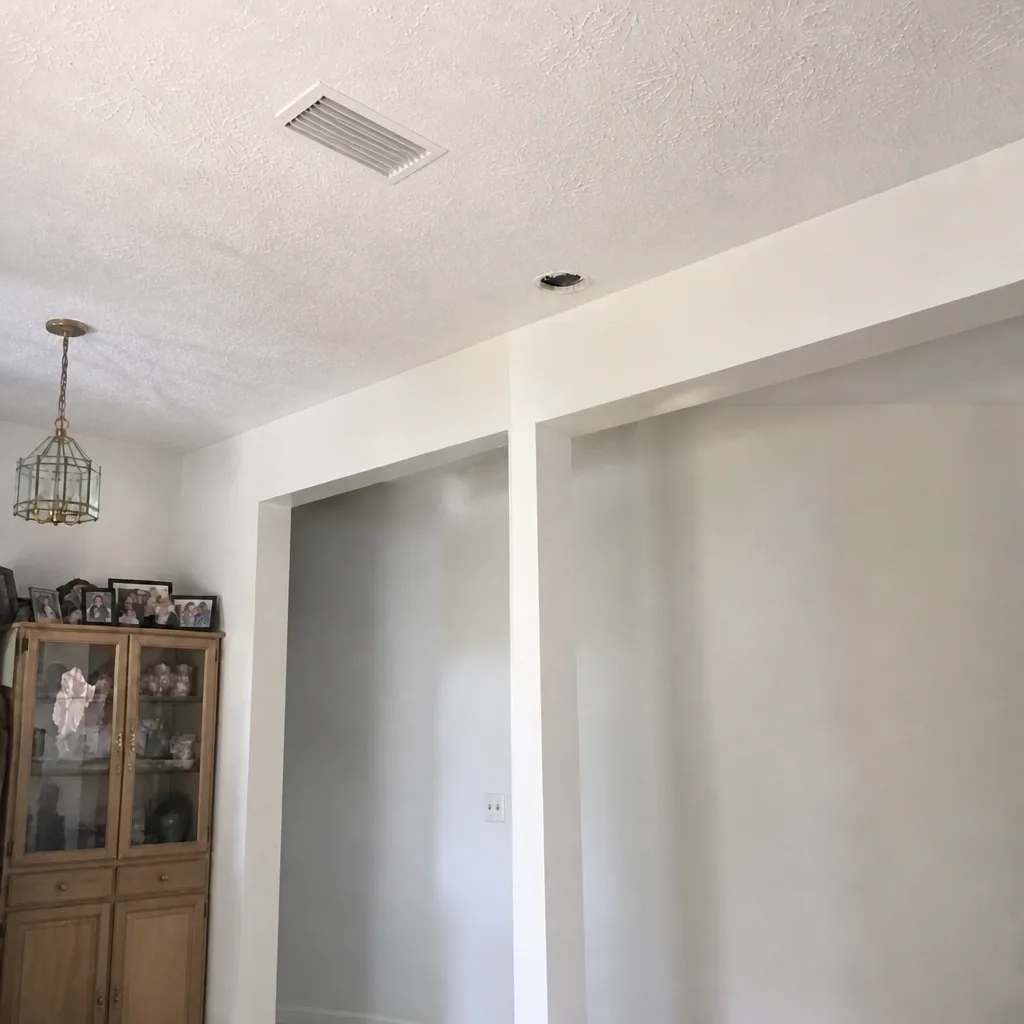 After
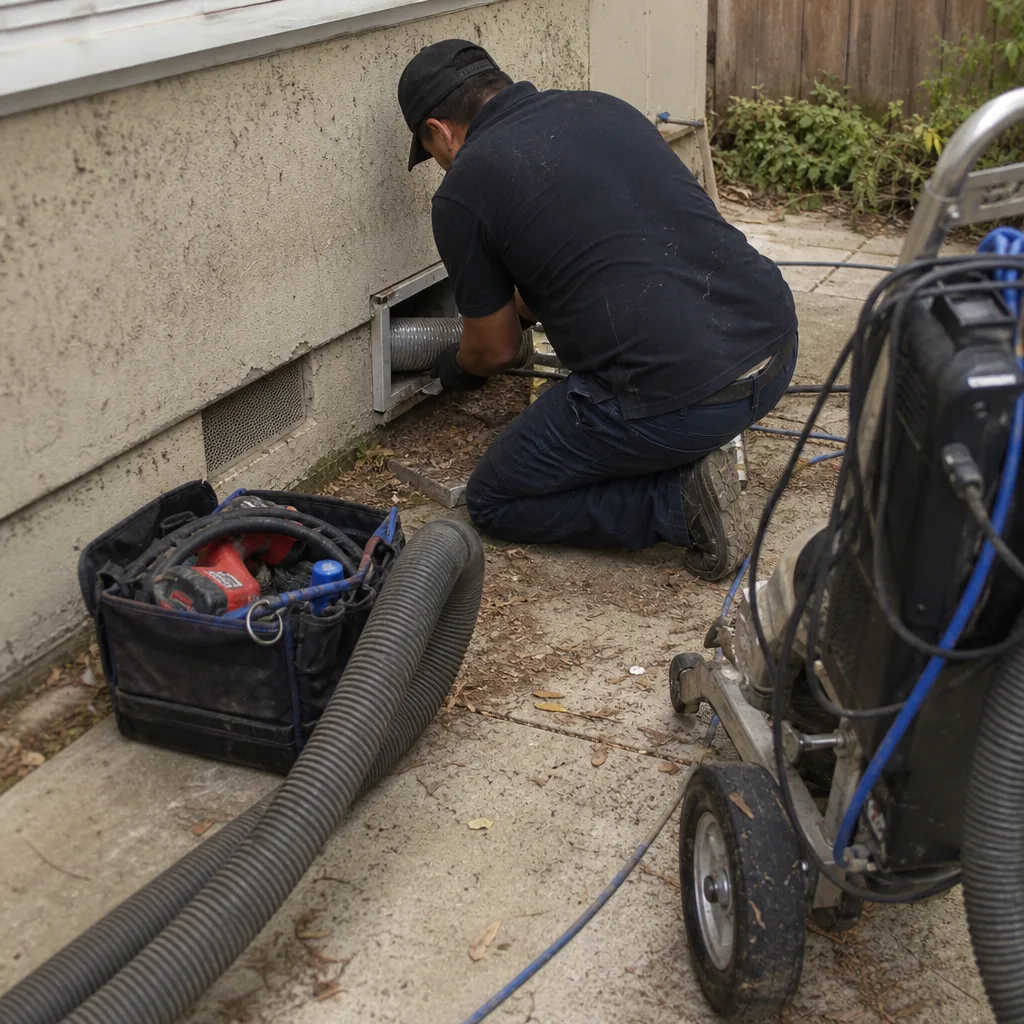 Before
 After
 Before
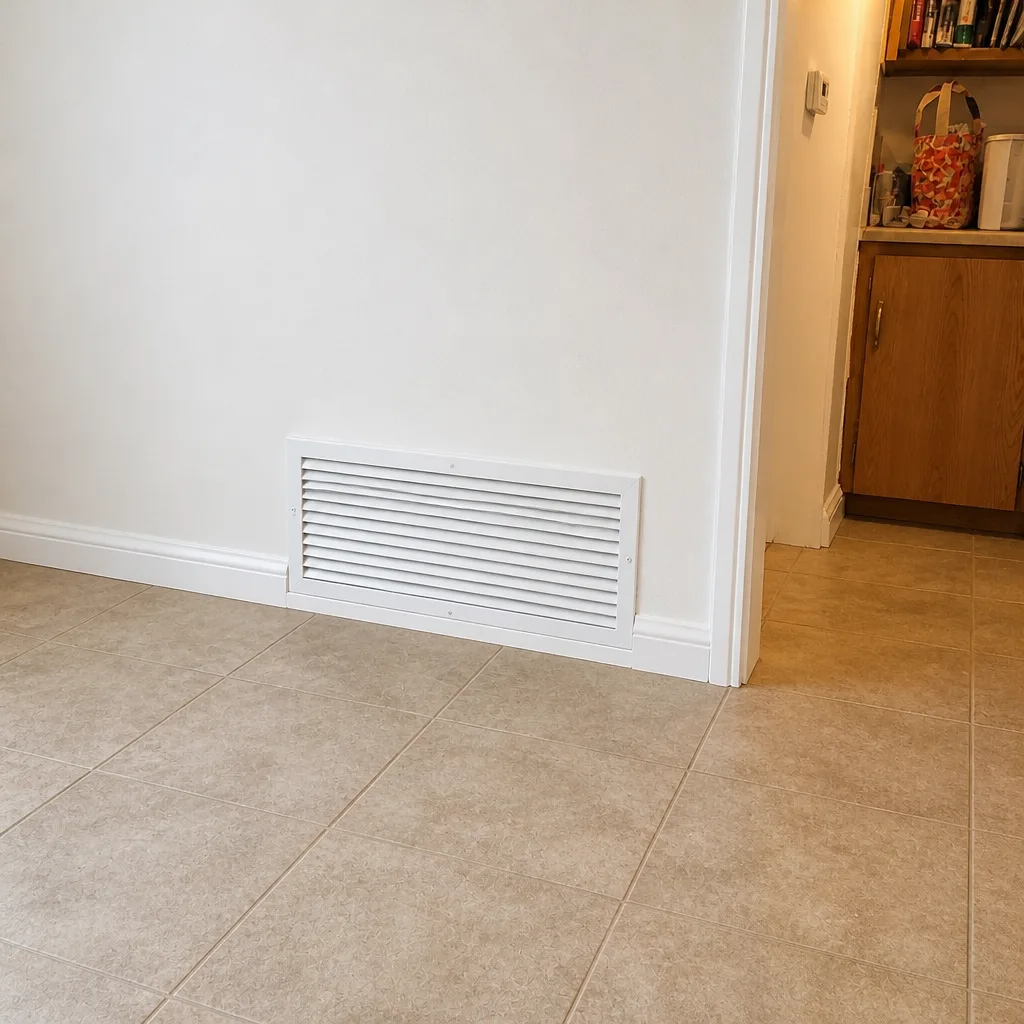 After
When to Call a Professional
Some duct problems are worth a look from someone with camera equipment and proper extraction. Others are genuinely a diagnostic call before anything gets booked. Call a professional when you’re seeing a musty or earthy smell that returns after a cleaning, weak airflow in a room that has never improved, dust on registers within days of cleaning, a filter that loads too fast with fine gray debris, visible damage near a register boot, or any sign of a restricted dryer vent – especially a burning smell or scorched lint. Call before you pay for a cleaning, not after. Our team at Duct Cleaning Salinas offers free estimates in Salinas – call (855) 360-8094. We answer 24/7. Fast dispatch from 7am to 7pm, Sunday through Friday. A call outside dispatch hours is booked into the next opening, Sunday through Friday, 7am to 7pm.
Frequently Asked Questions
Whole-home air duct cleaning in Salinas typically starts in the mid-hundreds and moves upward with square footage and register count, priced per system rather than per vent. The written estimate sets the final price, and it’s set before work starts, so there are no add-on charges once the technician is on site. Call (855) 360-8094 for an exact quote – estimates are free.
A low quote is usually a teaser price tied to a per-vent rate or an unstated scope, which is how it becomes a much larger invoice once the technician is inside. A real quote is tied to your system, spelled out in writing, and sets a flat price per system before work begins. If a quote doesn’t say what’s included – containment, return-side inspection, repair scope – ask before you book.
Ask for before-and-after photos of your own ductwork, not stock images, and ask what containment equipment was used during the job. A legitimate cleaning leaves a visible paper trail of what was cleaned and what was found. We photograph before and after on every job, and we show the camera findings that drove the recommendation.
Most homes don’t need duct cleaning on a fixed schedule – need depends on the house, the system, and the occupants. Homes with pets, recent remodeling, allergies, or a humid crawl space tend to need it more often than a clean, well-sealed home with none of those factors. If your ducts were cleaned recently and the problem came back, the issue is usually structural, not cleanliness.
Cleaning removes accumulated debris from an intact duct system. Repair fixes structural damage – crushed, disconnected, torn, or mold-damaged runs – that cleaning can’t address. The two are often needed on the same job, and the right order is diagnose first, then repair, then clean and seal. If you’re unsure which one you need, ask for a camera inspection before booking.
Yes. The return side runs under negative pressure, so a leak in the return pulls unconditioned air – often from a humid crawl space or attic – straight into your living space. Cleaning the return without sealing the leak won’t fix the smell, because the source is the breach, not the dust. A camera inspection confirms whether that’s what’s happening in your home.
The Bottom Line
Most air duct problems in Salinas start with a mechanical cause, not a dirt problem. Odor that keeps returning usually means a breach or moisture source that cleaning can’t touch. Weak airflow usually means a crushed or disconnected run. Fast-returning dust usually means a return-side leak. The fix that actually works is the one matched to the cause – cleaning for debris, sealing for leaks, repair for structural damage – and the right way to find out is a proper diagnosis, often with a camera, before you book anything. If you’re in Salinas and want an honest read on your system, call (855) 360-8094. We answer 24/7. Fast dispatch from 7am to 7pm, Sunday through Friday. For broader questions about duct care across the area, our main Duct Cleaning Salinas page covers the whole picture, and if you want to see what we do across the region, take a look at our Salinas page. Call today – the estimate is free, and the price is set per job before any work starts.
Written by the team at Duct Cleaning Salinas.