
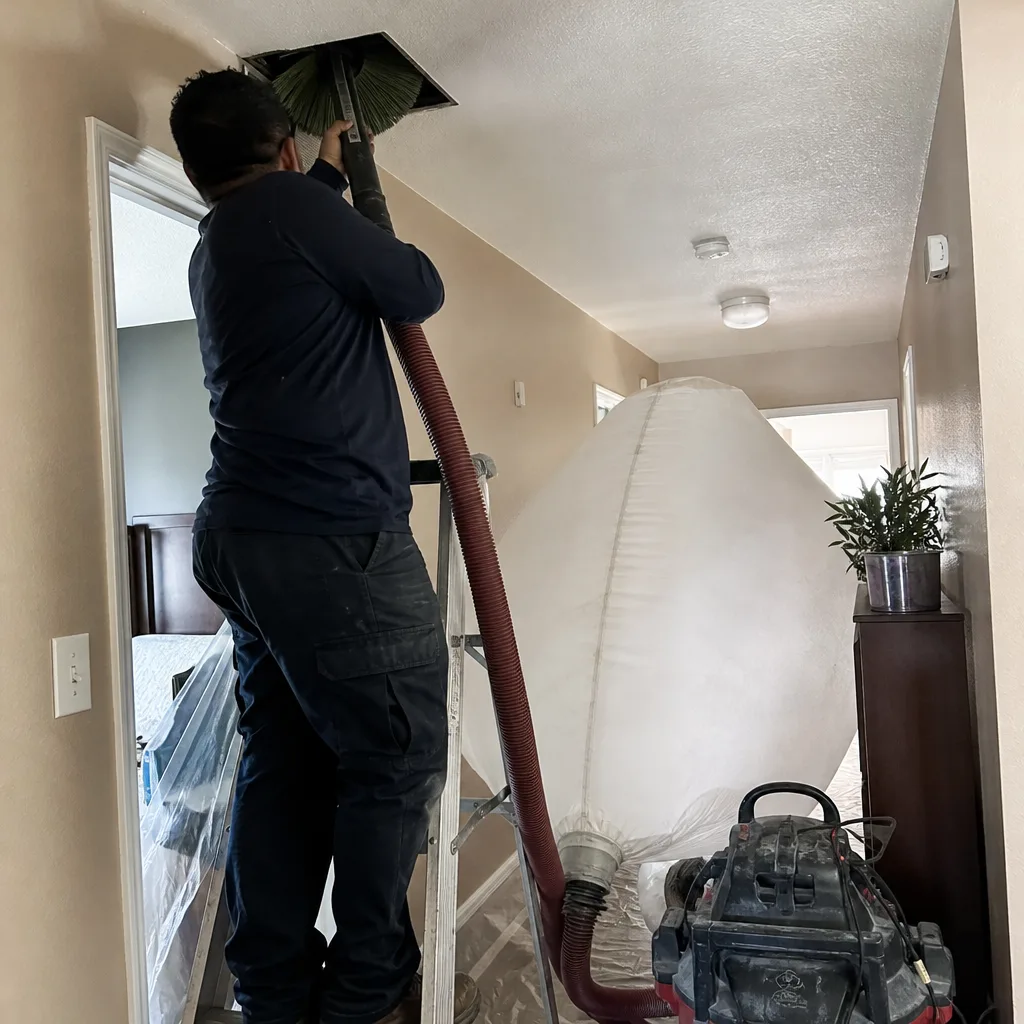
Last updated November 14, 2026
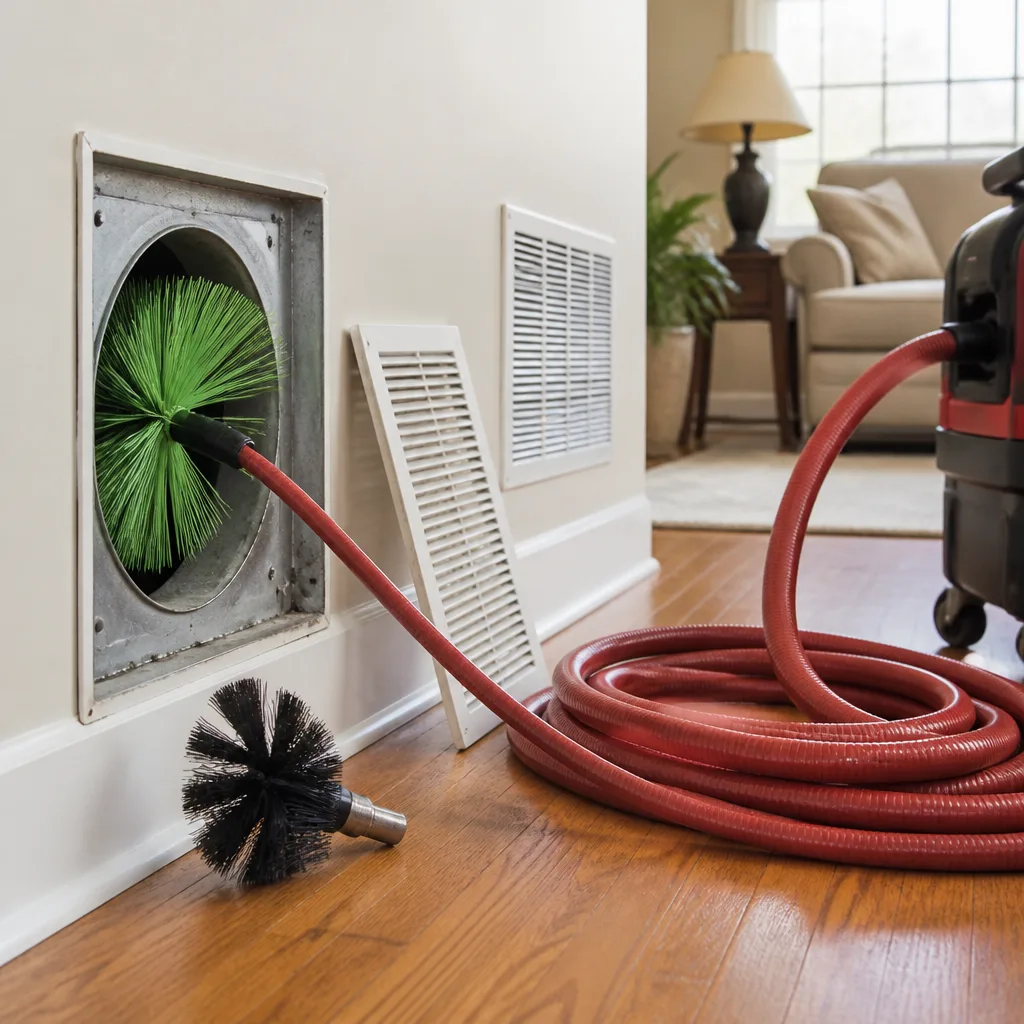 Whole-home duct cleaning
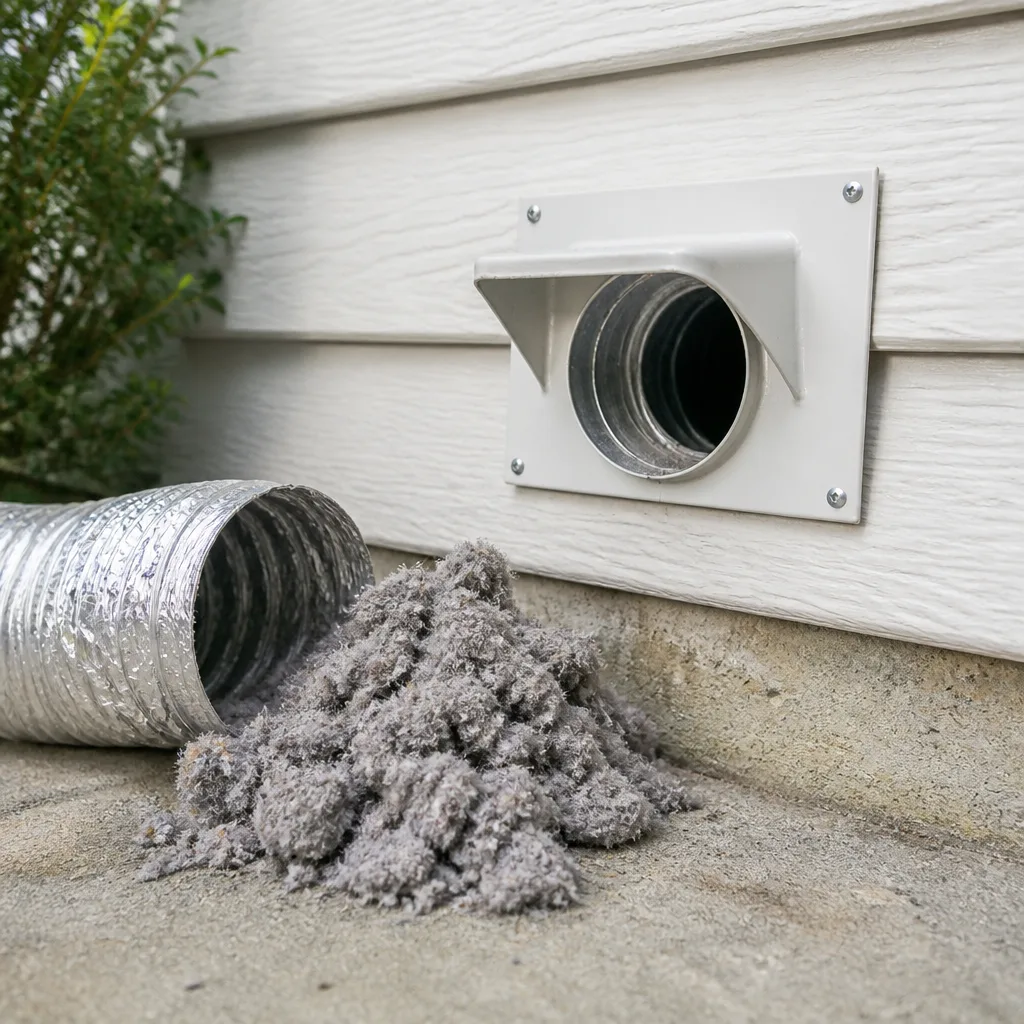 Dryer vent cleaning
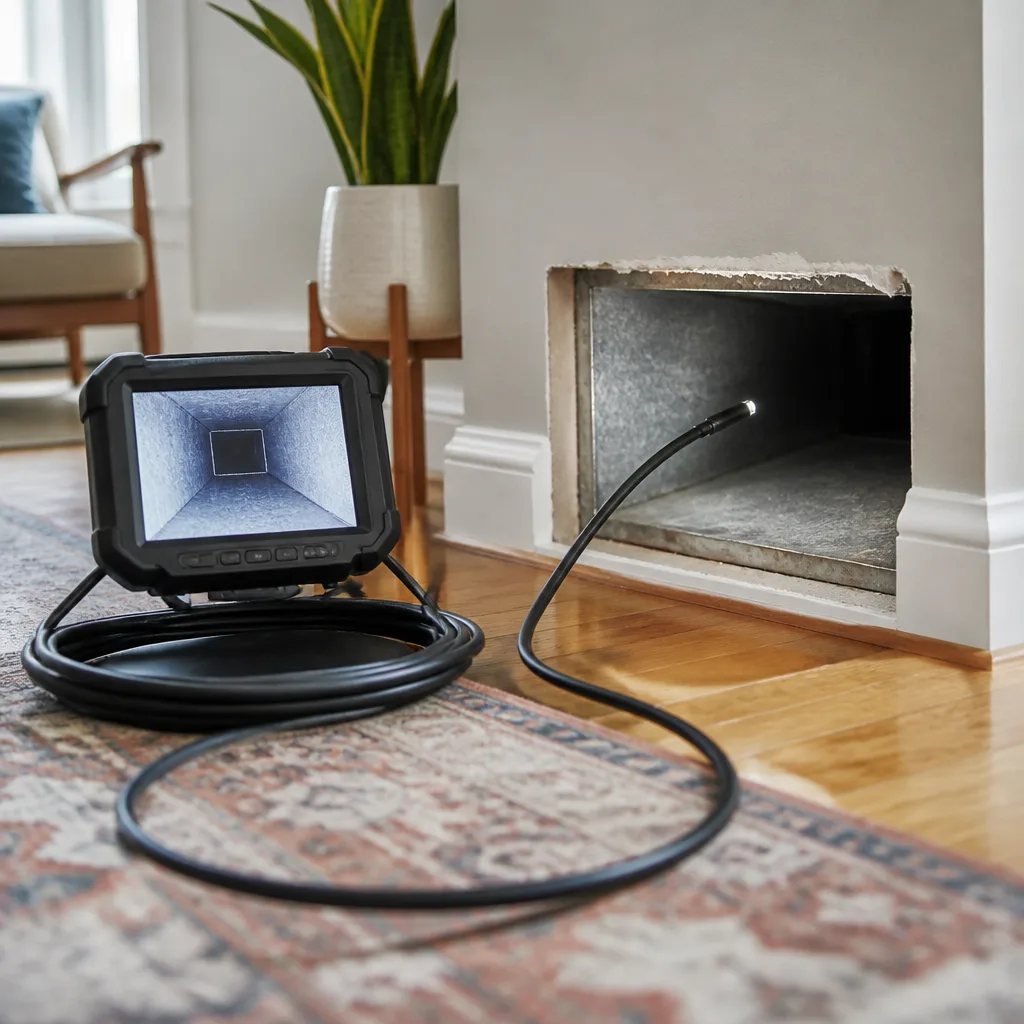 Camera inspection
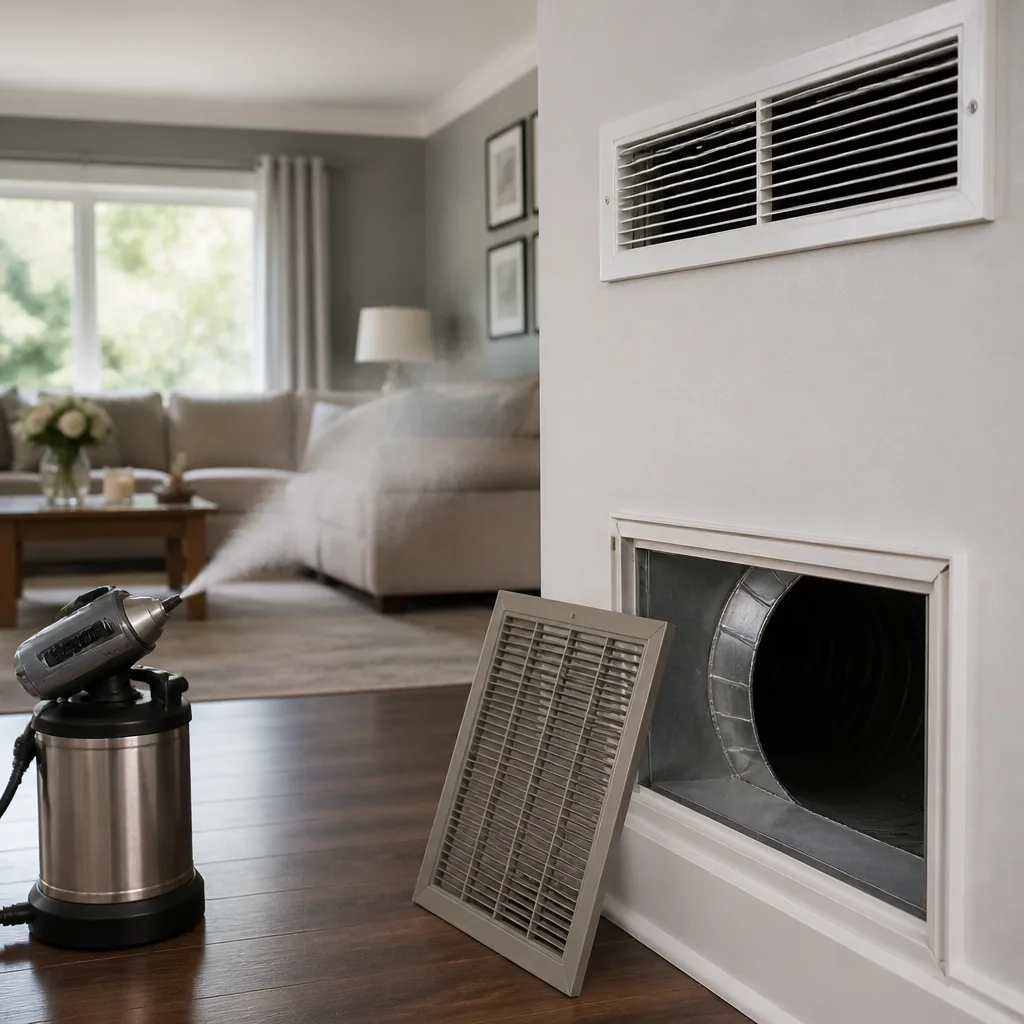 Sanitizing & deodorizing
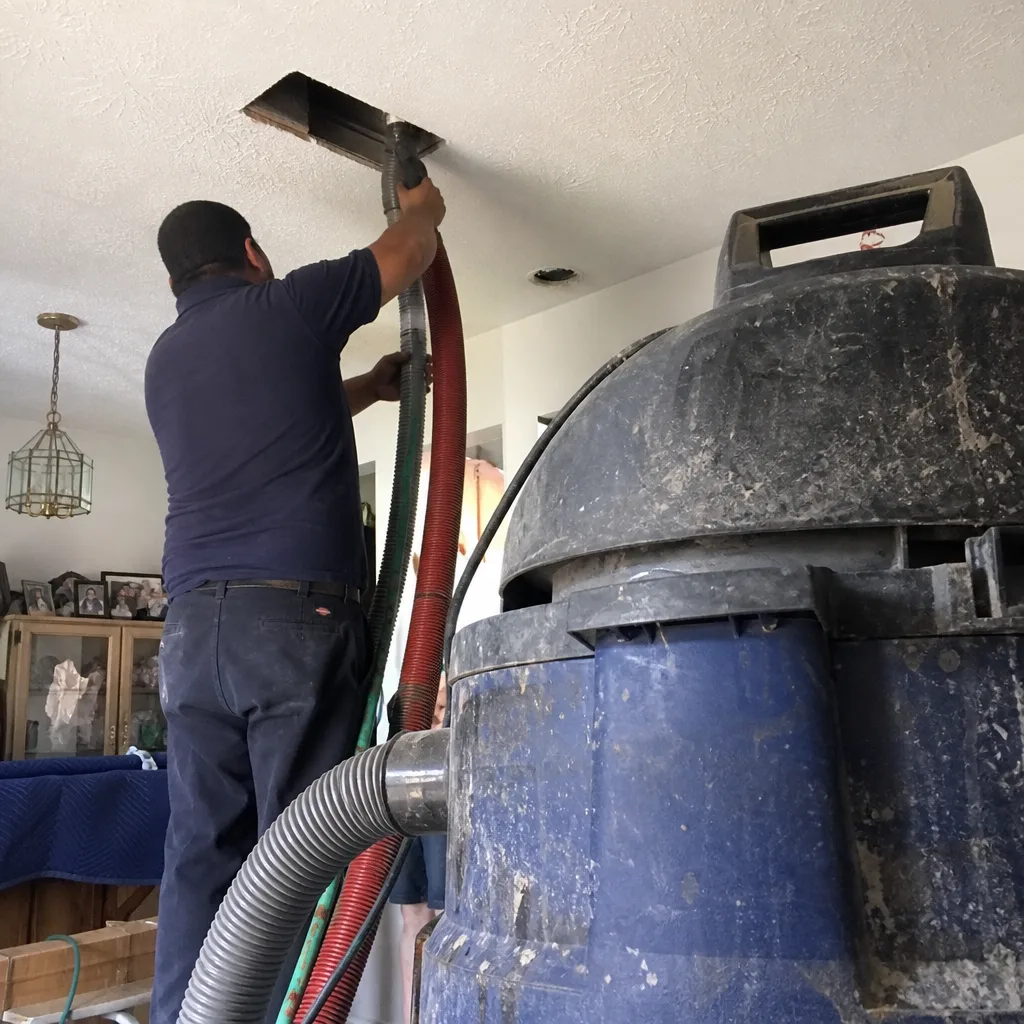
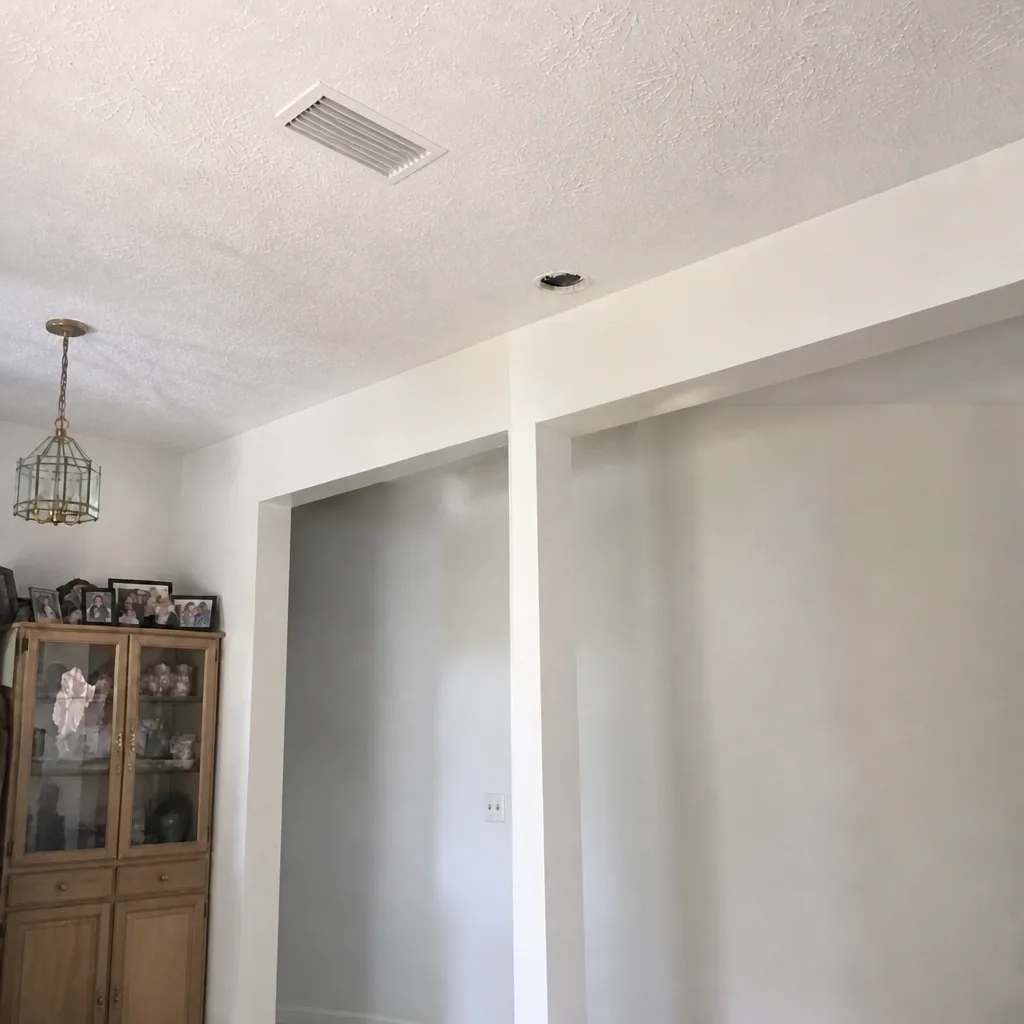
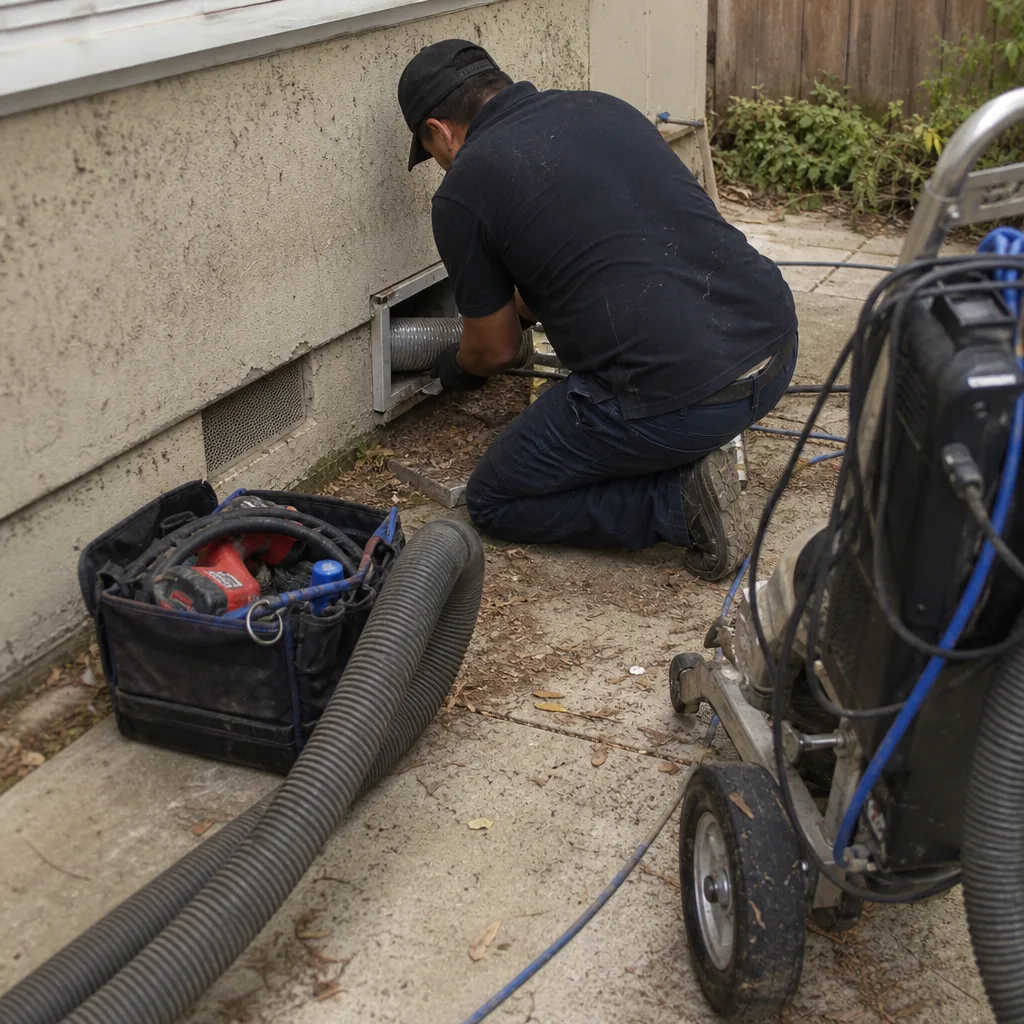
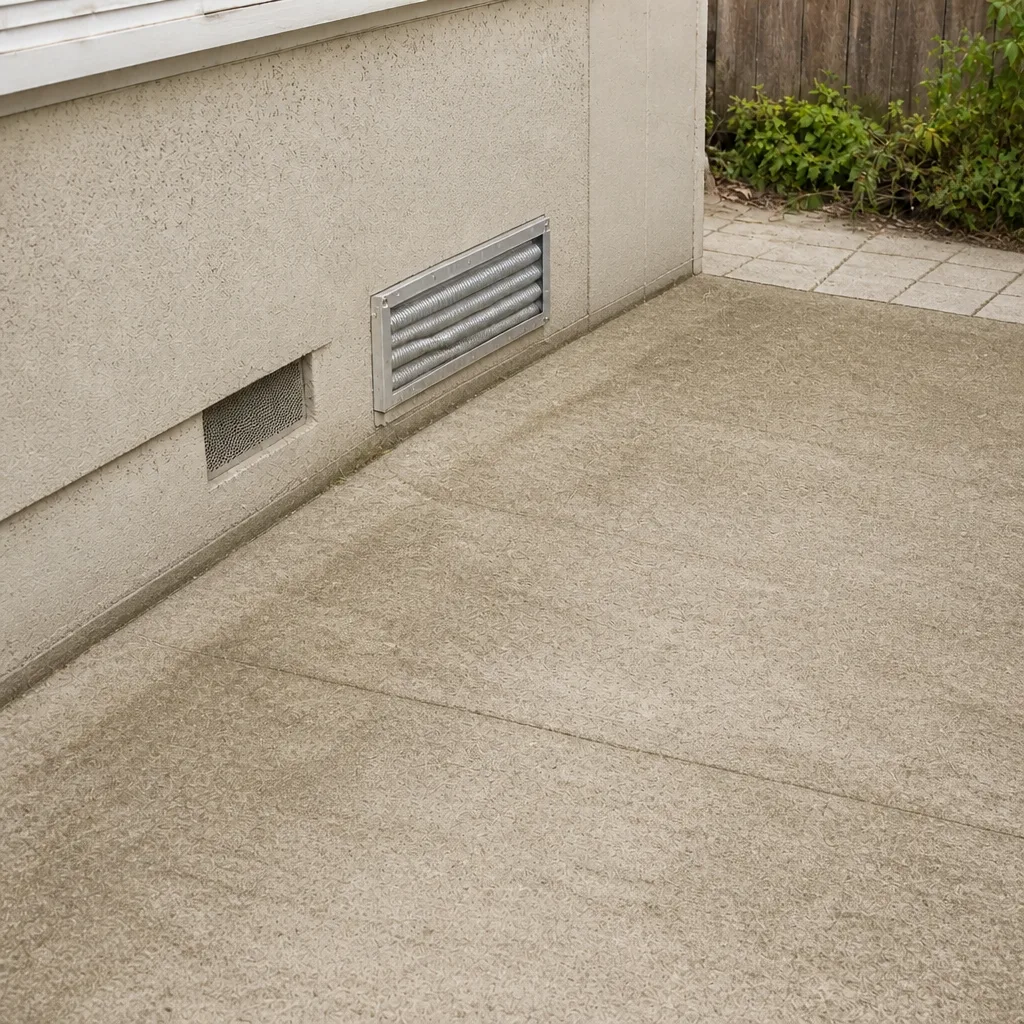
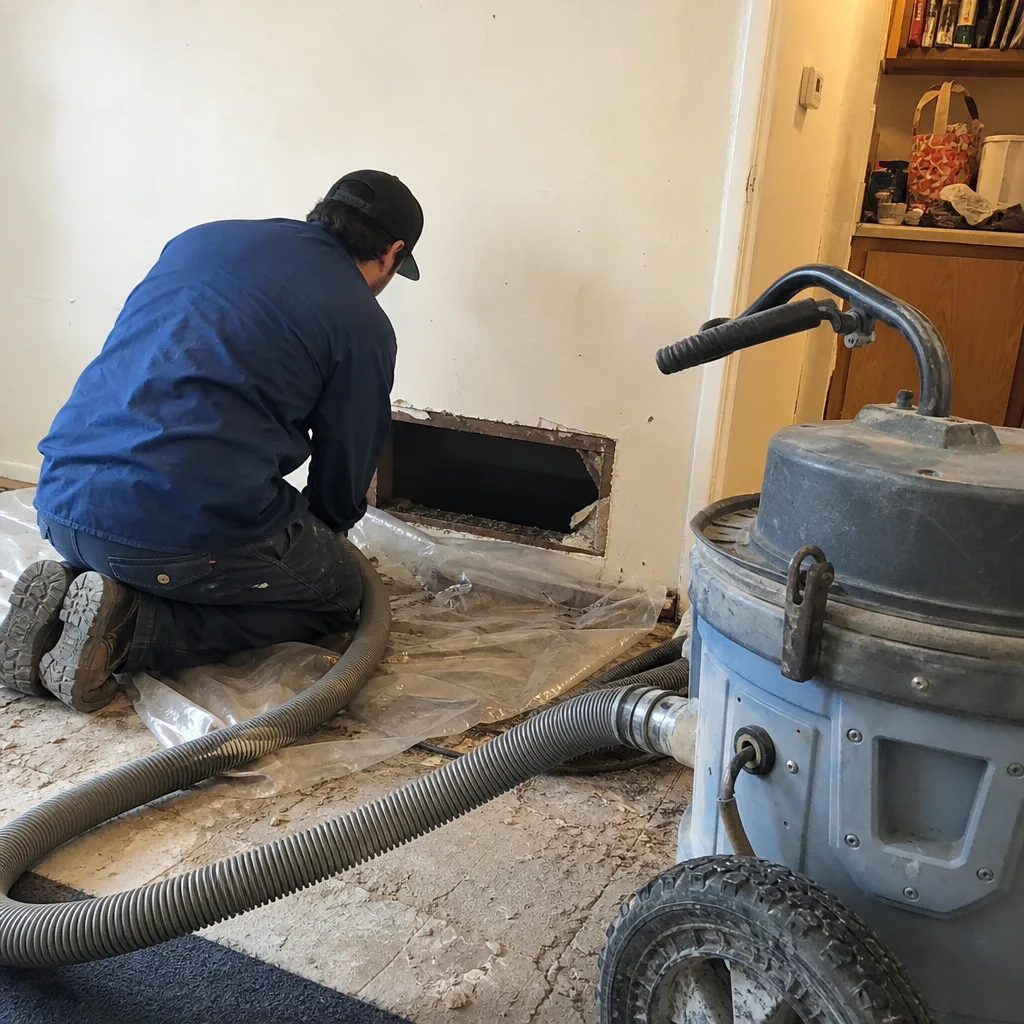
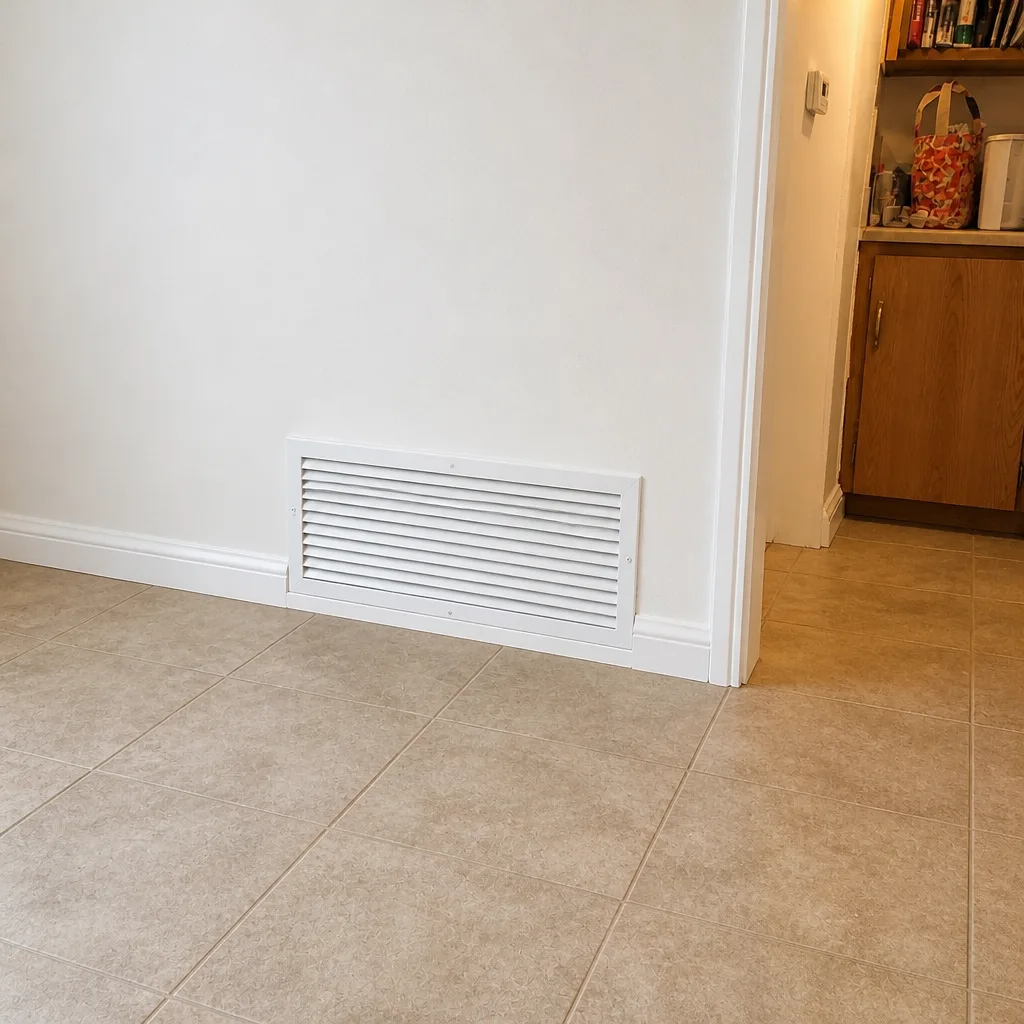
Whole-system duct and dryer vent check with before-and-after photos - you see exactly what came out of your vents
That "$99 whole-house special" is a bait ad - the real number appears once they are in your hallway, or the "clean" is a shop-vac at the register. We photograph the inside of your ducts before and after instead.
Air Duct Cleaning Maintenance Schedule: What to Do and When
The 3-to-5-year rule you’ve read everywhere was written for a climate-controlled suburb with no pets, no farm dust, and no renovation in its future. Salinas isn’t that suburb. We’re in an agricultural valley where field dust, pesticide particulates, and marine layer humidity move on their own timeline, and your ducts collect all of it. A calendar tells you almost nothing about when your system actually needs attention. Conditions do. In this guide we’ll show you how to build a maintenance schedule around the triggers that really drive contamination – pets, remodel work, filter grade, seasonal dust – and how to time annual work like dryer vent cleaning so it never falls through the cracks. You’ll leave with a checklist you can actually use.
Quick Answer
Most Salinas homes should have their air ducts inspected every 2 to 3 years and cleaned when conditions call for it – typically every 3 to 5 years for a typical household, sooner after renovation, a new pet, an allergy diagnosis, or visible dust at the registers. Dryer vent cleaning is the exception: it runs on a fixed annual schedule regardless of conditions because lint buildup is a documented fire hazard. Supply and return ducts follow a contamination curve. Dryer vents follow a safety curve. Treat them separately.
Styles & brands we work with
- Whole-home duct cleaning
- Dryer vent cleaning
- Camera inspection
- Sanitizing & deodorizing
Table of Contents
- Why a Fixed Calendar Fails in Salinas
- The Condition-Based Trigger System
- Salinas Seasonal Windows for Inspection
- What Filter MERV Rating Does and Doesn’t Do
- Dryer Vent Cleaning vs. Duct Cleaning: Two Different Risk Curves
- Your Between-Service Checklist
- What a Professional Cleaning Actually Involves
- Common Mistakes to Avoid
- When to Call a Professional
Why a Fixed Calendar Fails in Salinas
Most homes in Salinas don’t sit still. Fields get worked, dust moves, and the valley air carries particulate that a suburban homeowner in a wetter climate never deals with. Add the marine layer that pushes morning humidity inland from the coast and you have a house where the duct interior can stay damp longer than a climate-controlled home would ever see. That combination – fine agricultural dust plus extended humidity – is what makes a fixed cleaning interval less useful than a condition-based one.
Here’s what we mean in practice. A Salinas household with two dogs, a recent kitchen remodel, and a MERV-8 filter will accumulate duct contamination far faster than an identical house up the street with no pets, no remodel, and a MERV-13 filter. Same city, same climate, wildly different timelines. A calendar that says “clean every 5 years” is wrong for one of those homes and generous for the other.
The better approach is to build a schedule around the things that actually change contamination rates:
- Pets in the home – dander and hair load the return side faster than dust alone
- Renovation or remodeling – drywall dust and sawdust travel through the system even with plastic sheeting up
- Filter grade and filter change habits – a clogged filter pushes dust past the coil and into the ducts
- Allergy or asthma diagnosis in the household – a reason to inspect and clean sooner rather than later
- HVAC replacement or major repair – the right moment to clean before the new equipment starts circulating old dust
- Visible mold or musty odor at a register – a stop-everything signal
- Seasonal agricultural dust – the months when field work peaks matter for inspection timing
If you want the full picture of what professional cleaning covers – not just the schedule – our air duct cleaning page walks through the process step by step.
The Condition-Based Trigger System
Here’s the practical version. Each trigger below has a recommended response interval. That’s how you convert vague advice into something your household can plan around.
- Post-renovation. Schedule a full duct inspection and cleaning within 30 to 60 days of finishing any project that generated dust – drywall, flooring, cabinetry, painting. Sawdust and drywall particulate get pulled into returns and settle on duct walls. Cleaning immediately after beats waiting for the next scheduled service.
- New pet in the household. Move your inspection interval up to every 18 to 24 months instead of 3 to 5 years. Double-coated breeds in particular shed continuously.
- Allergy or asthma diagnosis. Inspect within the first few months. If the ducts show visible accumulation, clean. Then re-evaluate every 2 to 3 years.
- HVAC replacement. Clean before the new unit goes in, not after. This is the single easiest opportunity to protect a significant investment. Dust and debris from the old system shouldn’t get looped through new equipment.
- Visible mold or musty odor at a register. Stop and inspect. Don’t run the system on high fan while you figure it out. If mold is suspected, professional containment matters – our technicians use Abatement Technologies air filtration, the same category of tooling used in remediation work, to keep spores from spreading during service.
- Persistent dust on horizontal surfaces. If you’re dusting more than you used to, the ducts are a likely source. Inspect within the month.
- Dryer taking longer than it used to. That’s a lint-clog signal, not a duct-clean signal. Schedule a dryer vent inspection right away – see the separate risk curve below.
Nothing on this list requires a specific calendar date. Each one is event-driven, and events are what actually determine whether your ducts need attention.
Salinas Seasonal Windows for Inspection
Salinas runs on an agricultural cycle, and that cycle influences the indoor air in your home. Field work – tilling, harvest, spraying – moves fine dust into the air in waves across the growing season. Homes near open agricultural land see more of it. Homes closer to the hills or set back among mature trees see less. Either way, there are two windows in the year when it makes sense to look at your ducts:
- Late spring through early fall. This is when field dust load is highest. If you’re going to schedule an inspection or cleaning, this window catches the accumulated load before it becomes a fresh problem again. Moving into warmer months also means your system is running cooling cycles and circulating whatever is in the ducts.
- After the first sustained rains. Winter in Salinas is mild, but the rainy season does push humidity up. That’s the moment to check for moisture intrusion around registers and in the return plenum. Extended humidity in a duct interior is what encourages mold growth on dust that would otherwise stay dry.
A simple way to use this: put one inspection on the calendar for early summer (peak dust) and one visual check for the weeks after the first real rain. If neither turns up a problem, you don’t clean. If either does, you schedule.
We work in Salinas and understand the specific timing of field work – if you want to talk through when your home’s dust load is likely highest, our team can help. Our Salinas service page has the basics.
What Filter MERV Rating Does and Doesn’t Do for Duct Interior Cleanliness
This is one of the most commonly misunderstood parts of duct maintenance, and it’s worth getting clear on because it directly affects your schedule. The MERV rating on your HVAC filter tells you the filter’s ability to capture particles in a given size range. What it does not tell you is that your ducts are clean.
A higher-MERV filter captures more particulate at the filter. That means less of it travels past the filter into the blower and the duct interior. So a MERV-13 filter, changed on schedule, does extend the interval between duct cleanings – noticeably. It doesn’t eliminate the need for one, for three reasons:
- The filter captures what passes through it, and some particulate passes through every filter. Even a high-MERV filter has a capture efficiency rating, not a guarantee.
- Ducts accumulate contamination from more than the airstream. Renovation dust enters through open return registers during a remodel. Lint from dryer vent leakage can migrate into surrounding spaces.
- Dust that has already settled stays settled. Once it’s on a duct wall, no filter grade removes it. That requires mechanical cleaning.
What this means for scheduling: if you’re running a MERV-8 filter changed every 90 days, plan on the shorter end of the 3-to-5-year range. If you’re running MERV-13 and changing it on schedule, you can lean toward the longer end – but inspect first. The filter changes the curve. It doesn’t erase it.
Our technicians are certified to work on Honeywell and Aprilaire whole-home air quality systems, which means they understand how your filter grade interacts with the rest of the system – not just the filter box.
Dryer Vent Cleaning vs. Duct Cleaning: Two Different Risk Curves
This is where most schedules go wrong. Supply and return duct cleaning follows a contamination curve – it’s about indoor air quality, dust load, and circulating particulate. Dryer vent cleaning follows a safety curve, and it’s not negotiable. Lint buildup in a dryer vent is the leading cause of residential dryer fires. That’s a documented hazard, not a maintenance upsell.
Which means the two services run on completely different schedules:
- Air duct cleaning: condition-based, every 2 to 5 years depending on pets, renovation, filter grade, and visible dust. Inspect every 2 to 3 years in a typical Salinas home.
- Dryer vent cleaning: annually. Every year, regardless of conditions, pets, filter grade, or season. Some households need it more often – if you do multiple loads a day, or if you notice clothes taking longer to dry, go ahead of the annual mark.
If your household is a heavy laundry household – a family with young kids, for example – we recommend checking the dryer vent twice a year and full cleaning at least annually. Our dryer vent cleaning page covers the process and what the technician looks for.
The important thing is that these two schedules don’t merge. A clean supply duct system with a lint-clogged dryer vent is a fire hazard sitting inside a well-maintained house. The reverse – a clean dryer vent with dusty ducts – is a comfort and air quality issue. Both matter, on their own clocks.
Your Between-Service Checklist
The best way to extend the time between professional cleanings is to catch problems early. Here’s a simple between-service routine you can run in about ten minutes a month:
- Visual register check. Once a month, shine a flashlight into one or two registers. Look for visible dust buildup, discoloration, or a musty smell. A little dust is normal. A powdery coating or dark spots deserve a call.
- Filter change log. Write the change date on the filter itself with a marker, or keep it in a phone note. Change on the schedule your filter manufacturer recommends – typically 60 to 90 days, more often in dusty seasons. A clogged filter is the number one preventable cause of premature duct contamination.
- Condensate drain check. Once a month in warmer months, confirm the condensate drain from your HVAC unit is draining freely. Standing water in a drain pan raises humidity in the air handler closet and can feed mold growth that eventually migrates into ducts. If you see standing water, call.
- Dryer lint screen and vent exterior check. Clean the lint screen every load. Every few months, look at the exterior dryer vent flap – if lint is visible around it, or the flap is stuck open, schedule a cleaning.
- Return grille dust check. The large return grilles pull the most air. If they’re visibly coated, clean them with a vacuum and inspect the return plenum behind them – that’s where the accumulation starts.
None of this replaces professional cleaning. All of it reduces how often you need us.
What a Professional Cleaning Actually Involves
If you’re going to schedule the work, you should know what professional-grade means. Consumer rental vacuums and a shop vac aren’t the same category of equipment as what a full-service duct cleaner uses. Here’s what a real cleaning involves:
- Containment setup. Registers are covered and negative pressure is established so debris dislodged during cleaning doesn’t blow back into the living space. Our technicians use Abatement Technologies air filtration for remediation-level particle control during service.
- Mechanical agitation. Rotobrush and Nikro systems are used to agitate dust from duct walls so a vacuum can extract it. Pulling air alone doesn’t remove settled dust – the walls need contact.
- Full-system extraction. Supply lines, returns, the plenum, and the air handler are cleaned, not just the ducts visible from the register.
- Inspection findings. A good technician reports what they found – loose joints, damaged flex duct, visible mold, pest intrusion. If repair is needed, we do it on the same visit, same crew.
- Before-and-after documentation. You should see photos of your own ducts. Not stock photos. Yours.
One flat price per system, agreed before work starts. That’s how we handle it, and it’s the only way to avoid the bait-and-switch pricing that gives this industry a bad name.
Common Mistakes to Avoid
- Following a fixed 5-year rule. The rule was written for a climate-controlled home with no pets or renovation. Salinas households often don’t match that profile. Use conditions, not the calendar.
- Merging dryer vent cleaning into the duct schedule. These are two separate risk curves, and lint buildup is a fire hazard that doesn’t wait for the 5-year mark. Annual dryer vent cleaning is non-negotiable.
- Assuming a high-MERV filter eliminates cleaning. A MERV-13 filter extends the interval. It doesn’t replace professional mechanical cleaning. Once dust settles on a duct wall, only agitation and extraction remove it.
- Scheduling duct cleaning right after a remodel without addressing the dust first. Drywall dust and construction debris get pulled into the returns during the project. Clean after the work is done – not before it starts – or you’ll be back at square one.
- Ignoring a musty smell at a register. In Salinas, humidity during the rainy season can leave a duct interior damp enough to encourage mold growth. An odor you don’t recognize is worth an inspection, not a wait-and-see.
- Hiring a company that shows up with consumer-grade equipment. If the truck doesn’t have professional equipment and containment, you’re paying for a surface pass, not a cleaning. Ask about the equipment before you book.
- Waiting until the system is visibly blowing dust. By then the accumulation is significant. Monthly register checks catch the problem months earlier.
When to Call a Professional
Some problems are out of reach for a homeowner routine. Call us when any of the following comes up: visible mold or a persistent musty odor inside a register, HVAC replacement or major repair on the horizon, a renovation just wrapped that put drywall dust through the returns, a dryer taking longer than it used to dry a load, persistent dust on horizontal surfaces that a filter change didn’t fix, or a new allergy diagnosis in the household. If you’re not sure which of those applies, that’s also a call worth making.
Duct Cleaning Salinas offers free estimates in Salinas – call (855) 360-8094.
See the difference
 Before
 After
 Before
 After
 Before
 After
Frequently Asked Questions
For a typical Salinas household, inspect every 2 to 3 years and clean every 3 to 5 years, or sooner if you have pets, recent renovation, persistent dust, or an allergy diagnosis. The 3-to-5-year range is a starting point, not a rule – local agricultural dust and marine layer humidity can push it shorter. Call (855) 360-8094 for an exact quote – estimates are free.
Pricing is set per system, not per vent, which means the honest way to compare quotes is to ask what’s included. We give a flat price in writing before work starts – no coupons, no teaser numbers that double once the technician is on site. Call (855) 360-8094 for an exact quote – estimates are free.
Cheap quotes usually skip containment, skip agitation, or skip the returns and plenum. The equipment is also a tell – consumer-grade vacuums cannot remove settled dust the way Rotobrush and Nikro systems can. Ask what equipment is used and whether you’ll get before-and-after photos of your own ducts. Call (855) 360-8094 if you want a quote you can compare against. Estimates are free.
Ask for before-and-after photos of your own ducts – not stock images. A technician who uses professional equipment with containment can document the interior before and after. If a company can’t show you, that’s your answer. Call (855) 360-8094 for a quote and we’ll walk you through the process. Estimates are free.
It extends the interval, but doesn’t eliminate the cleaning. A MERV-13 filter captures more particulate at the filter, which means less settles in the ducts, but settled dust still requires mechanical agitation to remove. Change filters on schedule and inspect ducts every 2 to 3 years regardless of filter grade.
Yes. Lint buildup is the leading cause of residential dryer fires, so annual dryer vent cleaning is a fire-safety service, not optional maintenance. It runs on its own schedule regardless of how often you clean the ducts. Call (855) 360-8094 to schedule. Estimates are free.
The Bottom Line
The 3-to-5-year rule is a starting point, not a schedule. In Salinas, conditions drive the answer: pets, renovation work, filter grade, allergy diagnosis, and the agricultural dust calendar matter more than any fixed timeline. Inspect your ducts every 2 to 3 years, clean when conditions call for it, and treat dryer vent cleaning as an annual fire-safety item on its own track. The between-service checklist – registers, filter log, condensate drain – catches problems before they multiply, and free estimates make it easy to get a professional opinion before scheduling work. When the moment comes, we’re here with professional-grade equipment, one flat price per system, and full-system repair capability on the same visit. If you’re ready to put a real schedule together for your home, reach for Duct Cleaning Salinas.
Ready to schedule an inspection or cleaning in Salinas? Call (855) 360-8094 for a free estimate. We answer 24/7. Fast dispatch from 7am to 7pm, Sunday through Friday.
Written by the team at Duct Cleaning Salinas.