
Last updated November 14, 2026
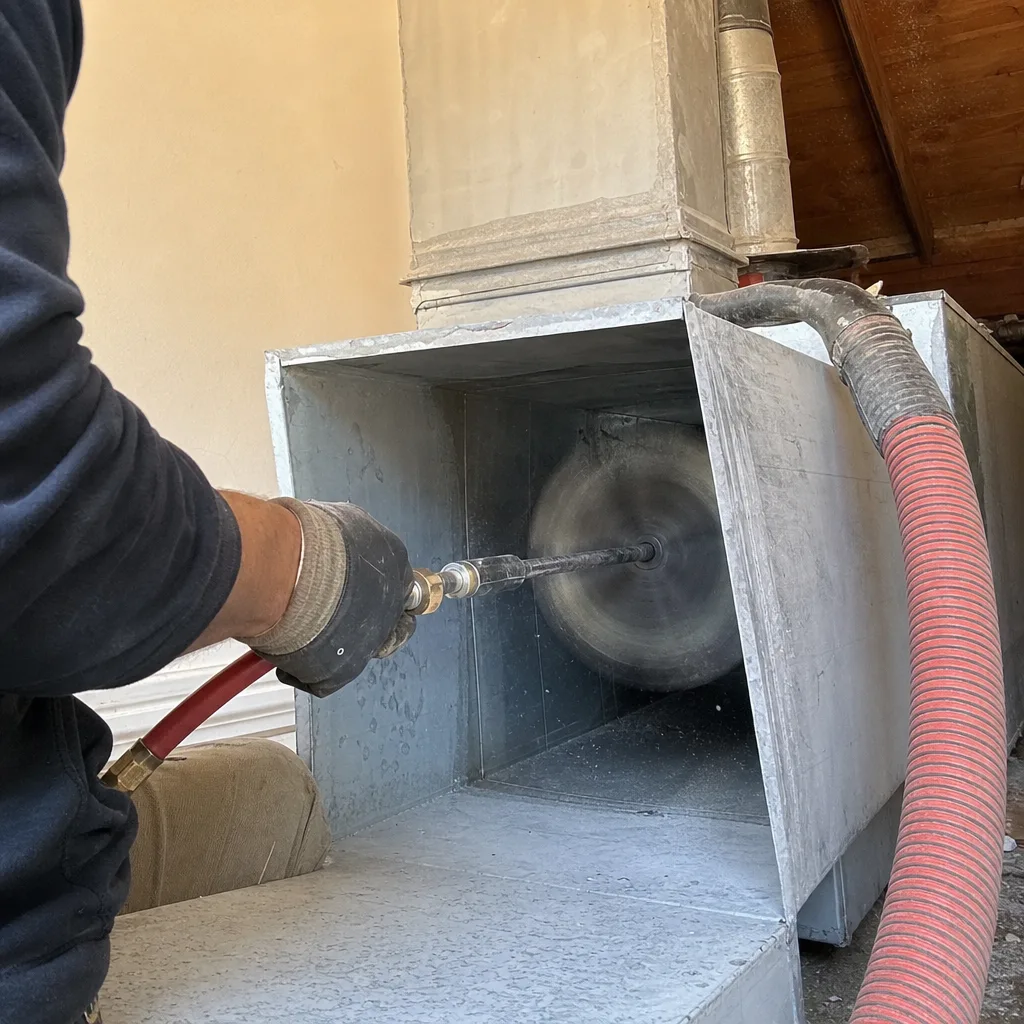
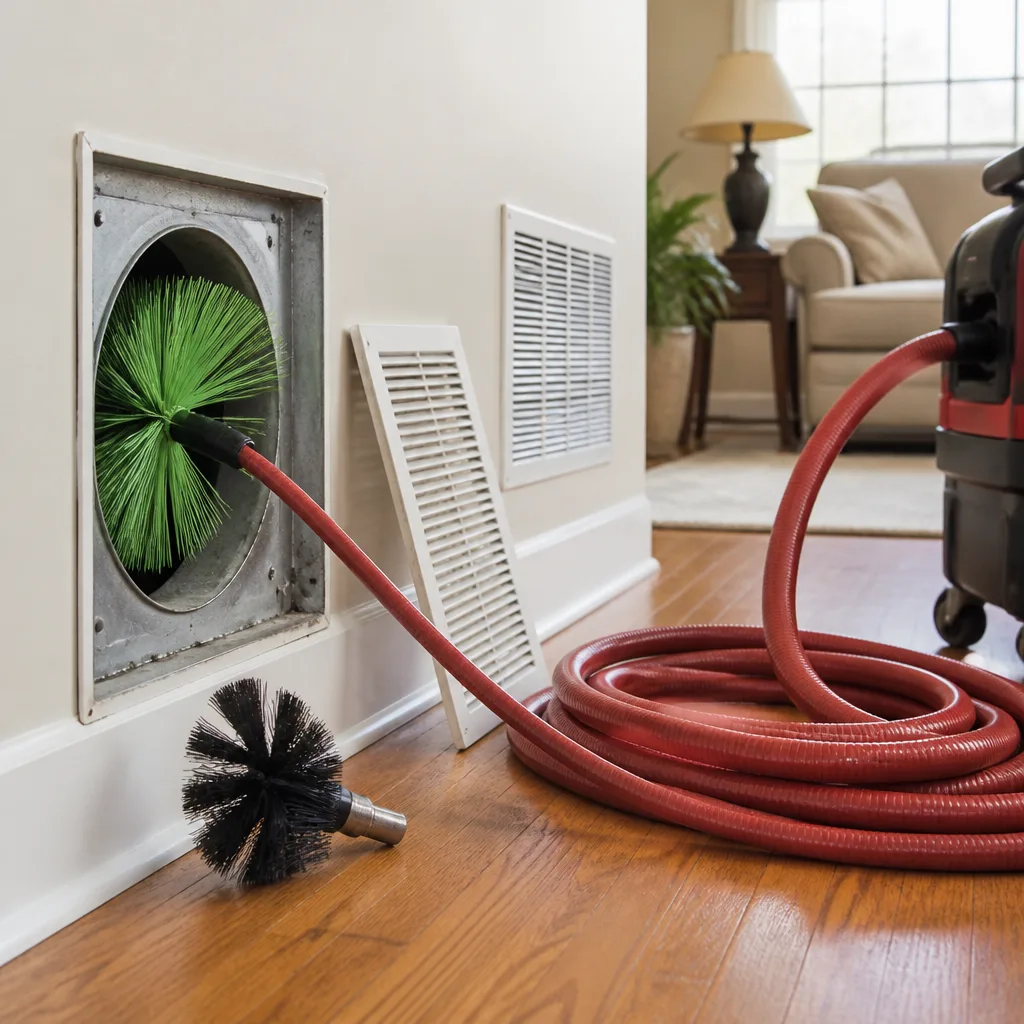 Whole-home duct cleaning
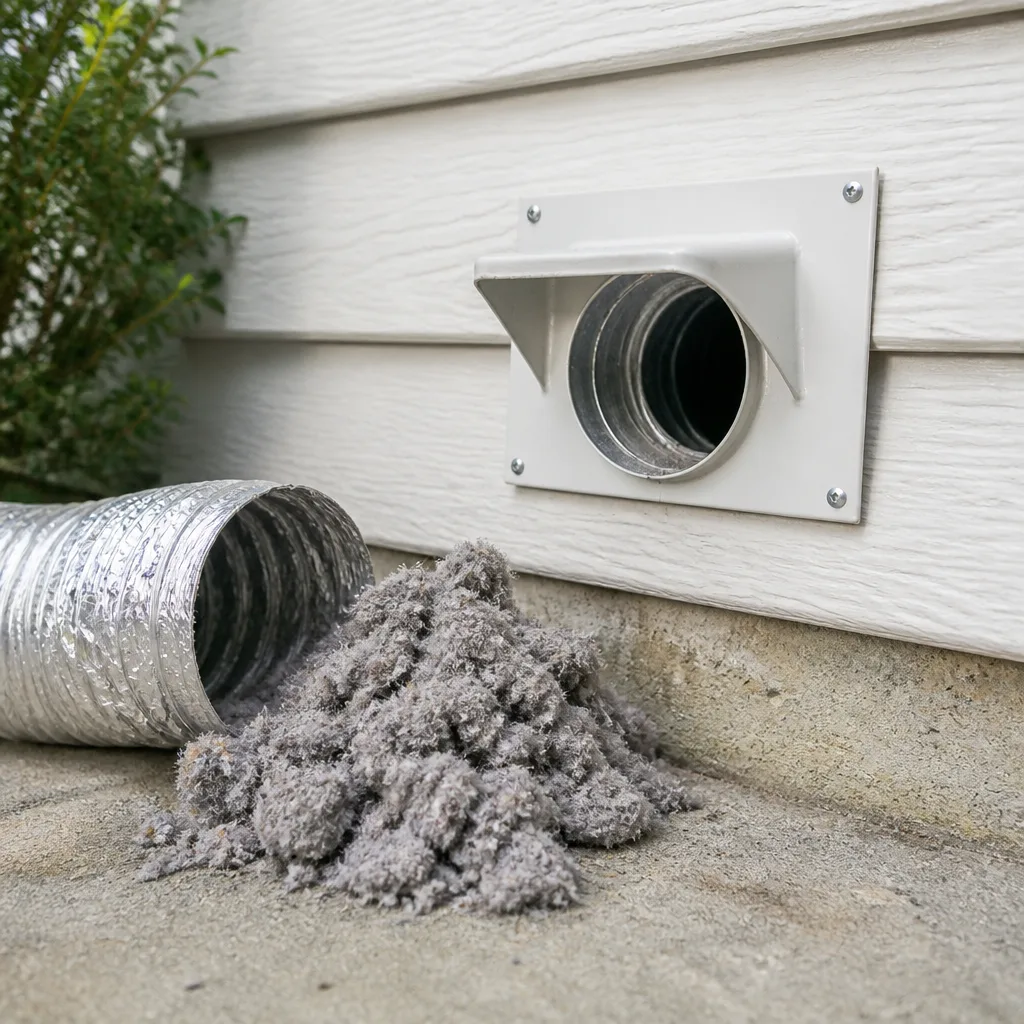 Dryer vent cleaning
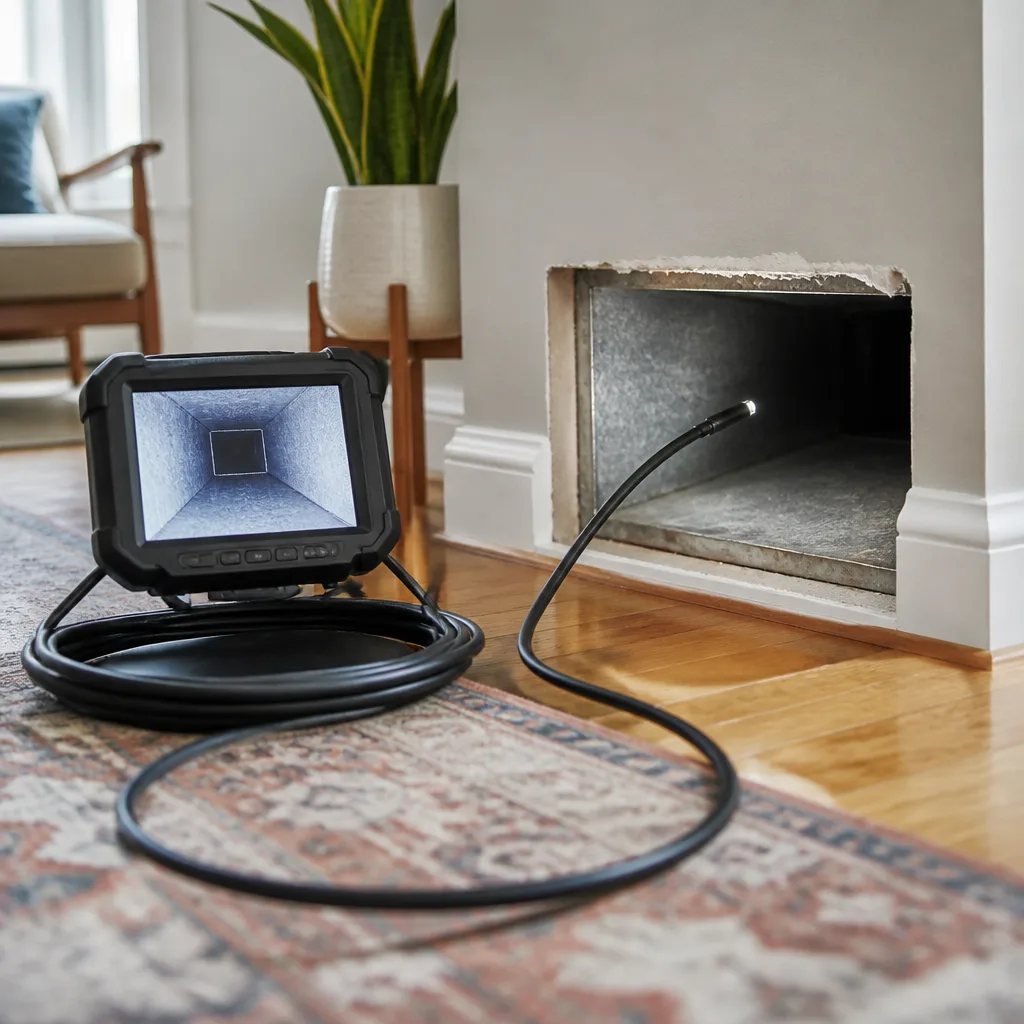 Camera inspection
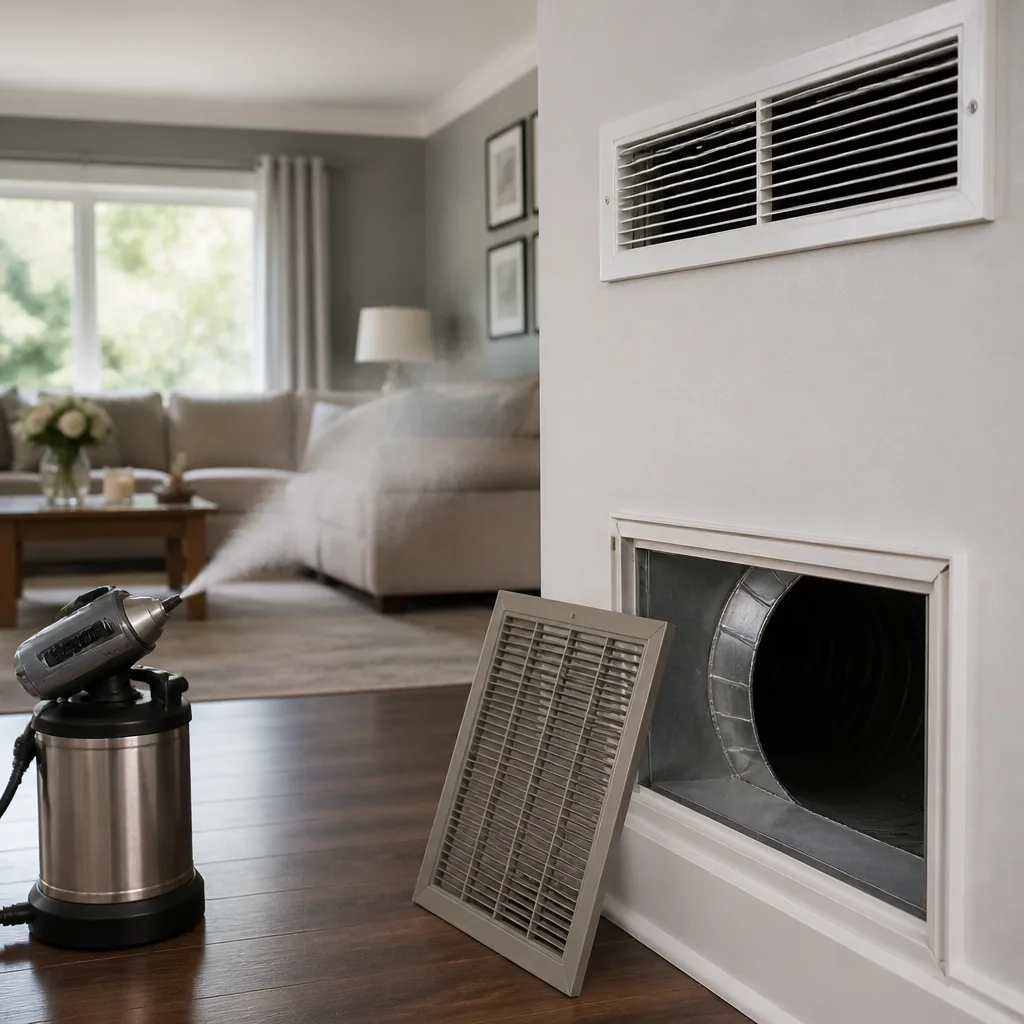 Sanitizing & deodorizing
Whole-system duct and dryer vent check with before-and-after photos - you see exactly what came out of your vents
That "$99 whole-house special" is a bait ad - the real number appears once they are in your hallway, or the "clean" is a shop-vac at the register. We photograph the inside of your ducts before and after instead.
Air Duct Cleaning Permits, Codes & Inspections in Salinas, CA: What You Need to Know
No permit is required to clean your ducts. A permit absolutely may be required for what the technician finds inside them. That gap catches people off guard, and it’s the reason a straightforward cleaning estimate can turn into a conversation about contractor licensing, building permits, and disclosure paperwork. Most homeowners don’t know where the cleaning line ends and licensed repair work begins. Some operators don’t either, or they choose not to mention it. This guide lays out where that line falls in Salinas: which license classifications apply to duct repair, when the city and county expect a permit and inspection, how to verify a contractor before you authorize any modification, and what records to keep for a future home sale.
Quick Answer
Cleaning air ducts in Salinas does not require a building permit, but any repair, replacement, or modification of ductwork is licensed contractor work under California law, and significant duct alterations typically require a permit from the City of Salinas or Monterey County building department, followed by an inspection. Before you authorize any duct work beyond cleaning, verify the contractor’s CSLB license status and confirm the correct classification, such as C-20 (HVAC) or C-38 (refrigeration), for the scope involved. Keep the permit records and inspection sign-offs with your home documents for future resale disclosure.
Styles & brands we work with
- Whole-home duct cleaning
- Dryer vent cleaning
- Camera inspection
- Sanitizing & deodorizing
Table of Contents
- Cleaning vs. Repair: Where the Permit Line Actually Falls
- California Contractor License Classifications That Apply to Duct Work
- When Does Duct Work Need a Permit in Salinas?
- Working With the City of Salinas and Monterey County Building Departments
- How to Verify a Contractor’s CSLB License Before You Authorize Anything
- What Documentation to Keep After Duct Repair
- Recommending Repairs vs. Being Legally Authorized to Perform Them
- Common Mistakes to Avoid
Cleaning vs. Repair: Where the Permit Line Actually Falls
Cleaning is maintenance. Cleaning a duct system involves extracting dust, debris, and buildup from inside the ductwork using negative-pressure equipment and mechanical agitation. No building permit is required for that in Salinas or anywhere else in California, because you’re not altering the structure or the mechanical system. You’re removing accumulated material from a system that already exists.
Repair crosses a different threshold. The moment a technician cuts into ductwork, replaces a section of flex or rigid duct, reseals a disconnected joint with new materials, changes the routing of a run, or modifies how a register connects to the system, that’s construction or alteration work on a mechanical system. In California, altering a mechanical system almost always sits squarely within licensed contractor territory, and depending on scope, it can trigger a permit and inspection requirement.
Here’s the distinction in practical terms. We clean it, and if we find damage, we fix it. But the fix is a different category of work with different legal requirements, and that’s true whether the same company performs both or not. A technician who is legally authorized to clean is not automatically legally authorized to cut into your ductwork. That sounds like a technicality until the work is questioned during a home sale by a buyer’s inspector.
At the cleaning stage, what we typically find in older Salinas homes matters for what comes next. Ducts in houses that have gone through decades of seasonal temperature swings and dry summers often show loose joints, degrading tape, and flexible duct that has slumped or sagged. Professional-grade equipment like the Rotobrush and Nikro systems we operate reaches deep into the run and shows what’s actually inside, including the parts a shop vac never gets to. When the cleaning reveals a separation or a crushed section, you deserve to know it clearly, along with what category of work it takes to correct it.
California Contractor License Classifications That Apply to Duct Work
California’s Contractors State License Board (CSLB) issues licenses by classification, and duct work can fall under more than one. Knowing which classification matches your scope helps you verify the right license before work starts, not after.
- C-20 (Warm-Air Heating, Ventilating, and Air-Conditioning): This is the classification most commonly associated with HVAC duct work, including installation, alteration, and repair of ducting connected to heating, ventilation, and air conditioning systems. If a technician is repairing or replacing conditioned-air ductwork, a C-20 license is the standard match.
- C-38 (Refrigeration): This covers refrigeration systems and can apply in commercial or mixed-use settings where ducted air is part of a refrigeration or cooling arrangement. Residential duct cleaning customers rarely encounter a C-38 scope, but property managers of commercial buildings might.
- General B (General Building Contractor): A general contractor can take on duct work only if it’s part of a larger project and permitted appropriately. A general license alone doesn’t substitute for the specific trade classification on standalone duct repair.
What does that mean for a homeowner? If the work is duct repair connected to your home’s heating and cooling system, ask for the contractor’s C-20 classification specifically. A valid license that lacks the right classification is still a mismatch for the scope, and it’s the kind of detail that goes unnoticed until an inspection or an insurance claim brings it up.
We want to be clear about what we do here. Duct Cleaning Salinas handles cleaning, dryer vent cleaning, and air duct repair, and our technicians have up to 12 years of experience with the equipment and the systems. When the cleaning turns up problems, we can talk through what the repair involves and what documentation it should carry, and we can point you toward verifying license classifications before anything is modified. For broader context on how cleaning and repair fit together, air duct cleaning explains our full approach to what a proper job includes.
When Does Duct Work Need a Permit in Salinas?
A permit is generally required when duct work alters the mechanical system in a way the building code considers a modification rather than routine maintenance. In Salinas, that typically means work that involves adding new ducts, moving existing runs to serve a different part of the house, replacing a significant section of the system, or changing the way conditioned air is distributed.
What generally does not require a permit:
- Cleaning ducts, registers, and grilles
- Resealing an accessible joint with mastic or approved tape where no components are removed
- Replacing a filter or a grille cover
- Routine maintenance of an existing system that doesn’t change its configuration
What generally does trigger a permit inquiry:
- Replacing a major section of ductwork, particularly flexible duct runs that have failed entirely
- Adding a new supply or return run
- Rerouting ductwork as part of a remodel or addition
- Any alteration that changes how the system delivers air to a room
Here’s where the line blurs, and it’s worth understanding why. In our experience, a small reseal on an accessible joint is treated differently from a full section replacement, but the interpretation can vary by inspector and by project scope. If you’re not sure whether a planned repair needs a permit, the right move is to call the City of Salinas Building Department and describe the work in plain terms. That call takes a few minutes and settles the question before anything gets cut. Permit requirements sit with the licensed contractor performing the work, but the homeowner is the one who owns the consequences of skipped permits down the line.
Working With the City of Salinas and Monterey County Building Departments
Permits for duct work in Salinas are handled either by the City of Salinas Building Department for properties within city limits or by Monterey County for unincorporated areas and communities outside the city boundary. Neighbors one street apart can fall under different jurisdictions, and knowing which one governs your property saves time and confusion.
How do you figure out which jurisdiction applies? A quick lookup on the city or county parcel or zoning map by address settles it. The building department can confirm the correct permit pathway once you give them the address and describe the work.
- Identify the jurisdiction. Check whether your address is inside Salinas city limits or in unincorporated Monterey County. This determines which building department handles the permit.
- Describe the scope clearly. Tell the department whether the work is a reseal, a partial duct replacement, an added run, or a routing change. These are treated differently.
- Ask what documentation is required. Depending on scope, the permit may require a plan or a scope description, and the inspection stage typically checks the installation itself.
- Verify the contractor is pulling the permit. In California, the licensed contractor performing the work is typically the one pulling the permit, and the permit record should list the correct license and classification.
- Keep the inspection sign-off. The completed permit and inspection record becomes part of your home’s documentation for future disclosures.
Salinas neighborhoods vary considerably in housing age and construction style, which affects how duct systems are laid out. Areas around the Alisal and the older pockets near downtown often have homes where duct runs were added or modified over the years, sometimes without documentation. That history matters when you’re assessing whether a repair needs a permit now. If an earlier alteration was never permitted, a proactive contractor will point it out rather than quietly work around it. We take that seriously: when we’re in a system that shows signs of undocumented work, we flag it plainly so the homeowner has the choice to do the next repair correctly.
How to Verify a Contractor’s CSLB License Before You Authorize Anything
The CSLB maintains a public license lookup that anyone can use, and it’s the single most reliable step a homeowner can take before authorizing duct work. Verifying before the technician arrives means the decision about what’s authorized is made on solid ground, not in the doorway of your home.
- Get the license number in writing. Ask for it before the work is scheduled, and check it against the business name on the estimate.
- Look up the license on the CSLB website. Confirm the license is active, in good standing, and matches the classification needed for the scope of work.
- Confirm the correct classification. C-20 for duct repair connected to HVAC; C-38 where refrigeration scope applies; B only when duct work is part of a larger permitted project.
- Check the personnel listed. The CSLB record shows who is associated with the license, which helps you confirm the business you’re hiring matches the license on file.
- Ask for the license number to appear on the written estimate. In California, licensed contractors are expected to include license details on contracts and estimates, and this gives you a record to check against.
Why does this matter beyond the obvious? The answer comes down to who bears responsibility if something fails. Unlicensed work can complicate insurance claims, and if a future home sale inspection reveals unpermitted or improperly performed work, the liability typically shifts to the current owner, who may not have known about it. Verifying a license up front prevents that. If the scope changes on-site because the technician finds something unexpected, the verification step done in advance still protects you, because a properly licensed contractor will be transparent about what documentation the repair requires.
One more point. A licensed contractor should not be reluctant to give you the license number or discuss the permit question. In our experience, the contractors worth hiring welcome that conversation. If a technician pressures you to skip verification or dismisses the permit question as unimportant, that’s a sign the work itself may be rushed in other ways too.
What Documentation to Keep After Duct Repair
After duct repair, the paperwork you keep determines what happens the next time your home is inspected, appraised, or sold. California’s disclosure obligations make documented work an advantage. Missing records can’t be reconstructed later, so collect them as the work is done, not after.
- The permit and final inspection sign-off, if a permit was required. These are the core records and should be filed with your home documents in the same place as any other permit paperwork.
- The written contract or estimate with the contractor’s license number, scope description, and any materials referenced.
- Before-and-after photographs of the ductwork, especially for significant repairs. Photos of the work as it looked during the job provide concrete evidence of what was done and who did it.
- The contractor’s license information, saved with the paperwork so you can verify later if needed.
- Any written warranty or workmanship statement provided by the contractor.
Why does this matter in Salinas specifically? The home market here cycles through resales where disclosure paperwork is examined closely. When a buyer’s inspector or appraiser asks whether the duct system has been altered, the answer with documentation is simple. The answer without documentation can require an after-the-fact inspection, sometimes at the homeowner’s expense. Filing the records as soon as the work is complete is far easier than recreating them under sale deadlines.
Beyond resale, documentation protects you if a warranty issue or an HVAC problem arises later. If a technician needs to identify what work was performed and by whom, the file tells the story. We recommend a simple folder, physical or digital, dedicated to home maintenance records: permits, inspection sign-offs, service invoices, and photos. The ten minutes it takes to file these documents prevents far more than ten minutes of problems down the road.
Recommending Repairs vs. Being Legally Authorized to Perform Them
There’s a real difference between a technician who observes a problem and a contractor authorized to fix it, and it’s worth understanding where that difference lands for you. Cleaning technicians see inside the entire duct system during a job. They can spot separated joints, compromised flex duct, crushed runs, and signs of prior undocumented work. That’s valuable information. Recommending a fix, however, is not the same as being legally authorized to perform it.
Why does the distinction matter? Under California contractor licensing law, the person or company performing the repair must hold the correct license classification for the scope. A technician who is highly qualified to clean may not be qualified or legally authorized to cut into and modify ductwork. Some companies handle both. Others don’t. In the latter case, the honest answer is a referral: a recommendation that you engage a properly licensed contractor for the repair scope.
What should a homeowner watch for? A technician who recommends a repair and then offers to perform it without mentioning license classification or the permit question. That sequence isn’t necessarily dishonest, but the proper path is to verify before acting. At Duct Cleaning Salinas, we’re clear about what we can do. We clean, we address dryer vent safety, and we handle duct repair work. When we’re on a job and we spot damage, we describe the problem, note what category of work it falls into, and talk through the next step honestly, including the permit and license questions if the repair scope warrants it. Professional-grade equipment like the Abatement Technologies filtration we use during service means we can work cleanly and see clearly, and that lets us give an honest answer about what’s inside the system. What we don’t do is overpromise about a scope we can’t legally handle.
Common Mistakes to Avoid
- Assuming the cleaning company can automatically repair what it finds. Cleaning requires no license. Duct repair is licensed contractor work under California law, and the classification matters. Verify before authorizing any modification.
- Not asking about permits before a repair begins. In Salinas, a repair that modifies the mechanical system may require a permit and inspection. Waiting to ask until the work is half-done puts you in a bad position, because permits are easiest to pull before anything is cut.
- Taking a verbal license number without verifying it. The CSLB lookup takes a couple minutes, and it confirms the license is active and matches the scope. A number alone proves nothing if nobody checks it.
- Discarding the inspection sign-off after a permitted job. The permit record and inspection documentation are exactly what you’ll need if the home is sold and the buyer’s inspector asks about the duct work.
- Letting a technician talk you out of getting a second opinion on a major repair find. A cleaning reveals real problems sometimes and invents them other times. On a significant repair, it’s reasonable to ask for the estimate in writing and compare.
- Ignoring dryer vent concerns because they feel like a separate subject. Dryer vent cleaning is a fire-safety service, not an add-on. Lint buildup is a leading cause of residential dryer fires, and a proper dryer vent cleaning addresses that risk directly.
- Skipping documentation because the work was small. Even a modest repair, without records, can’t be verified later. File the paperwork whether the job was a full replacement or a reseal.
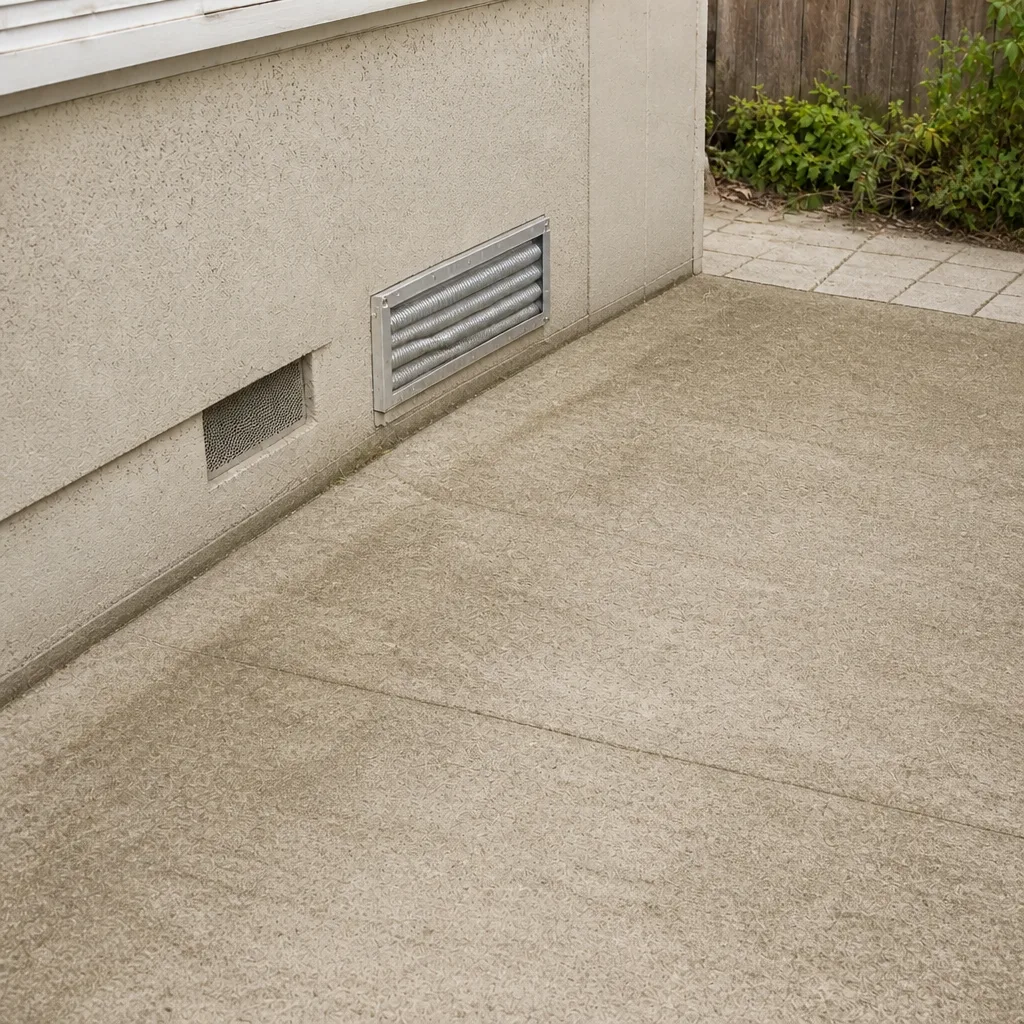
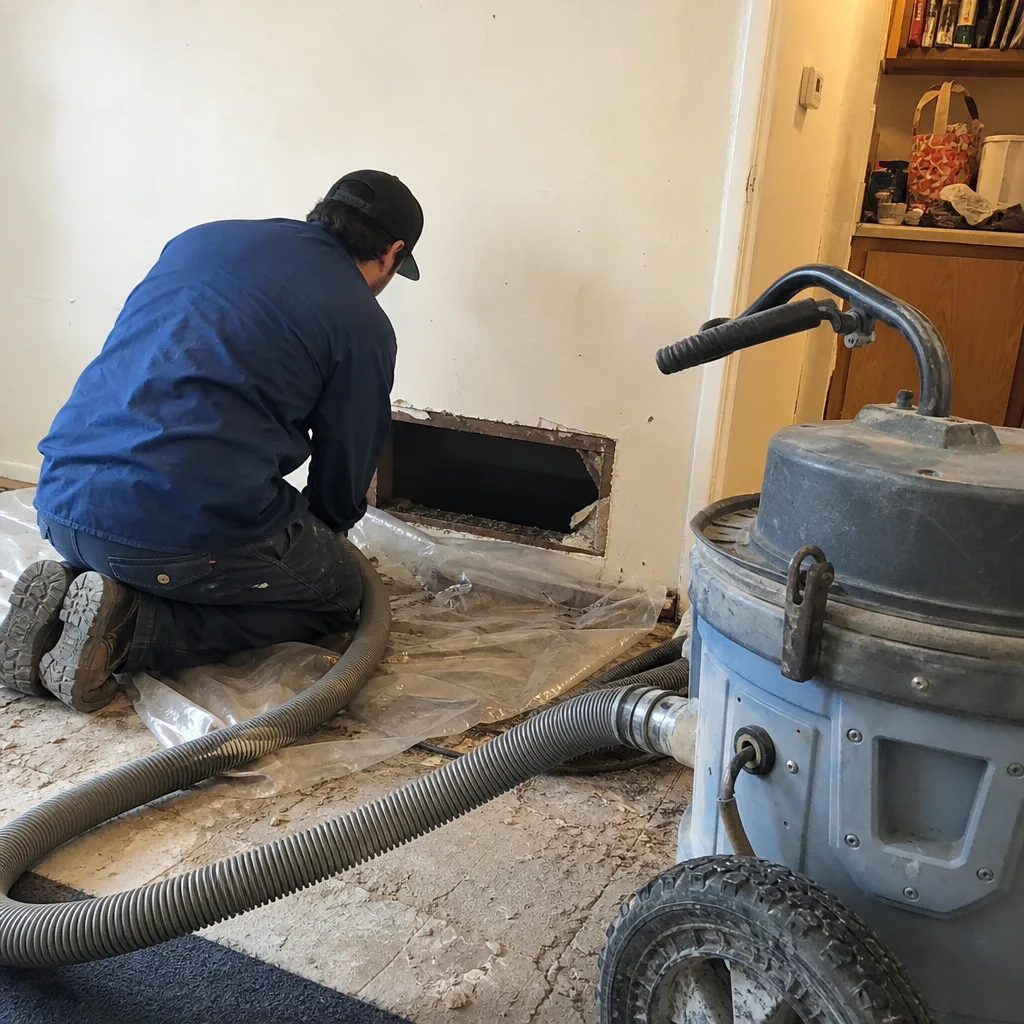
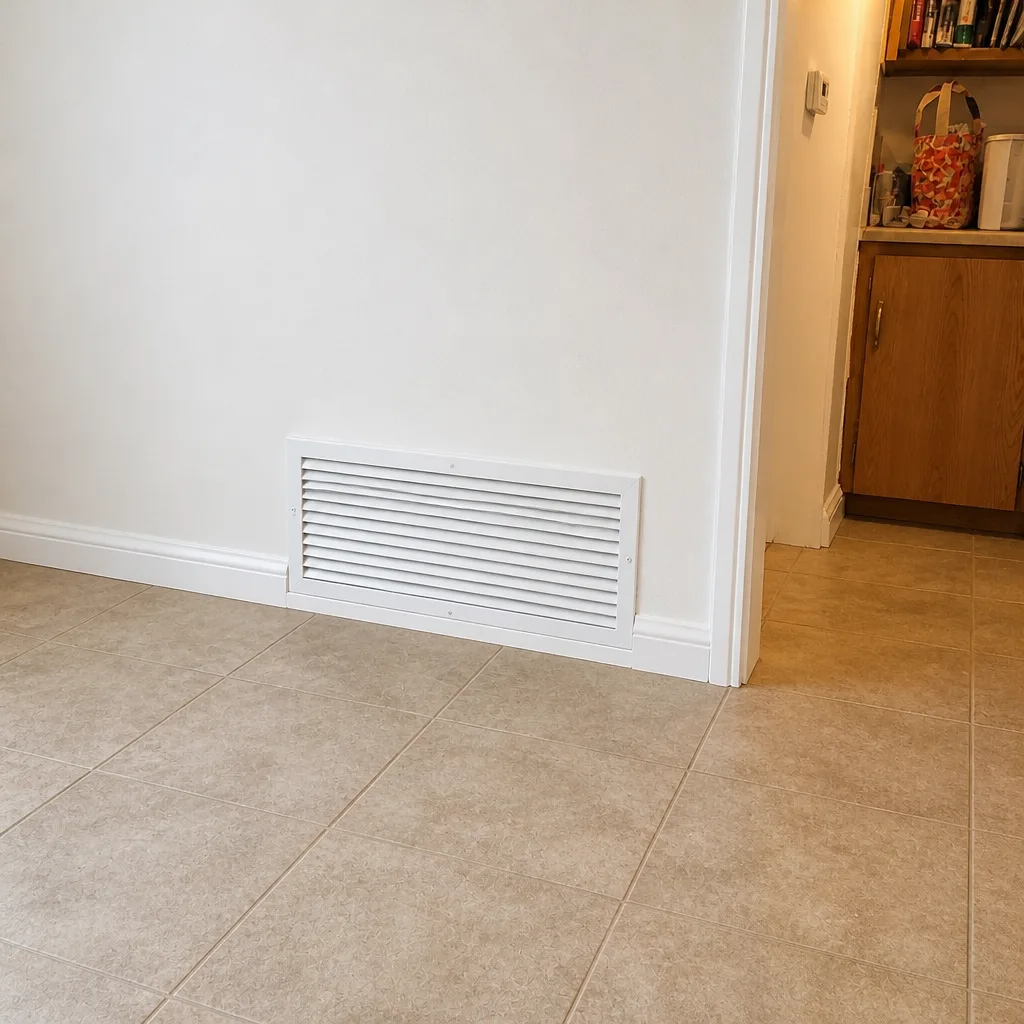
See the difference
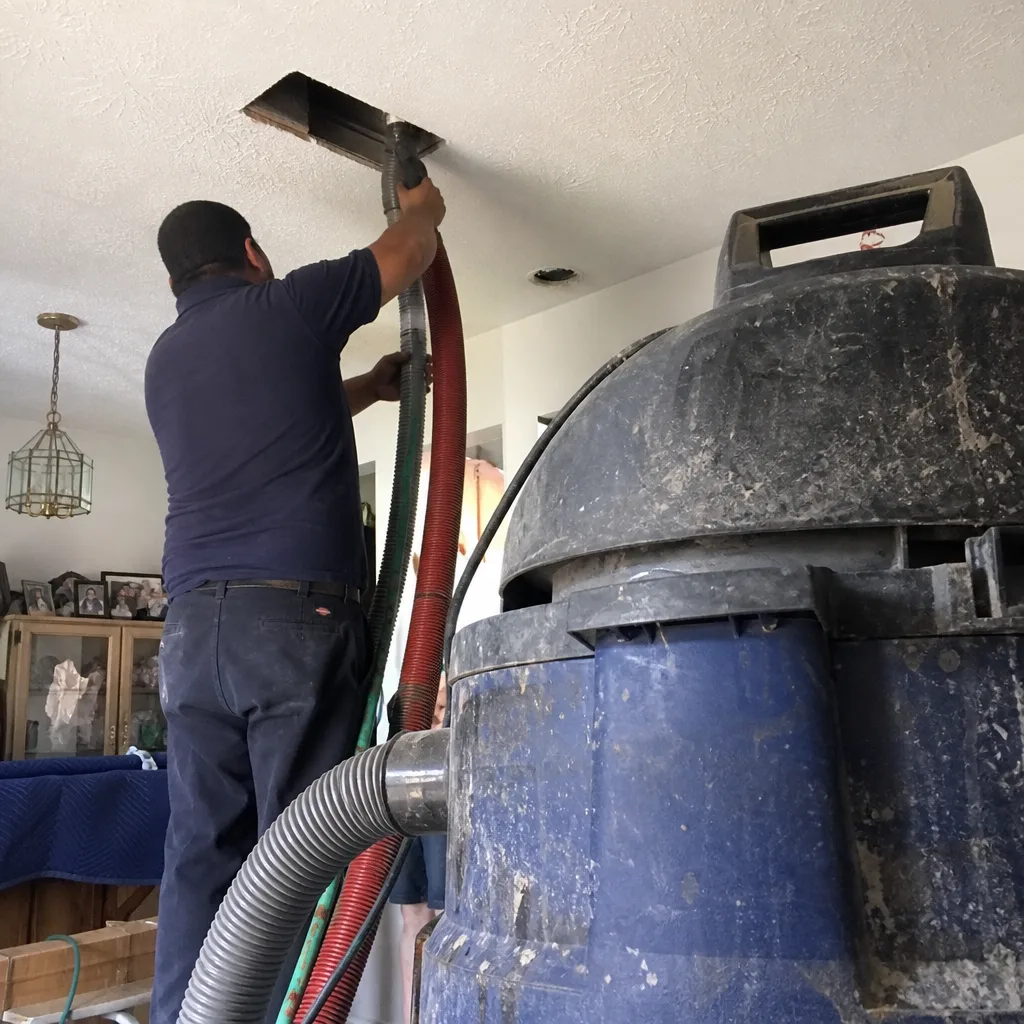 Before
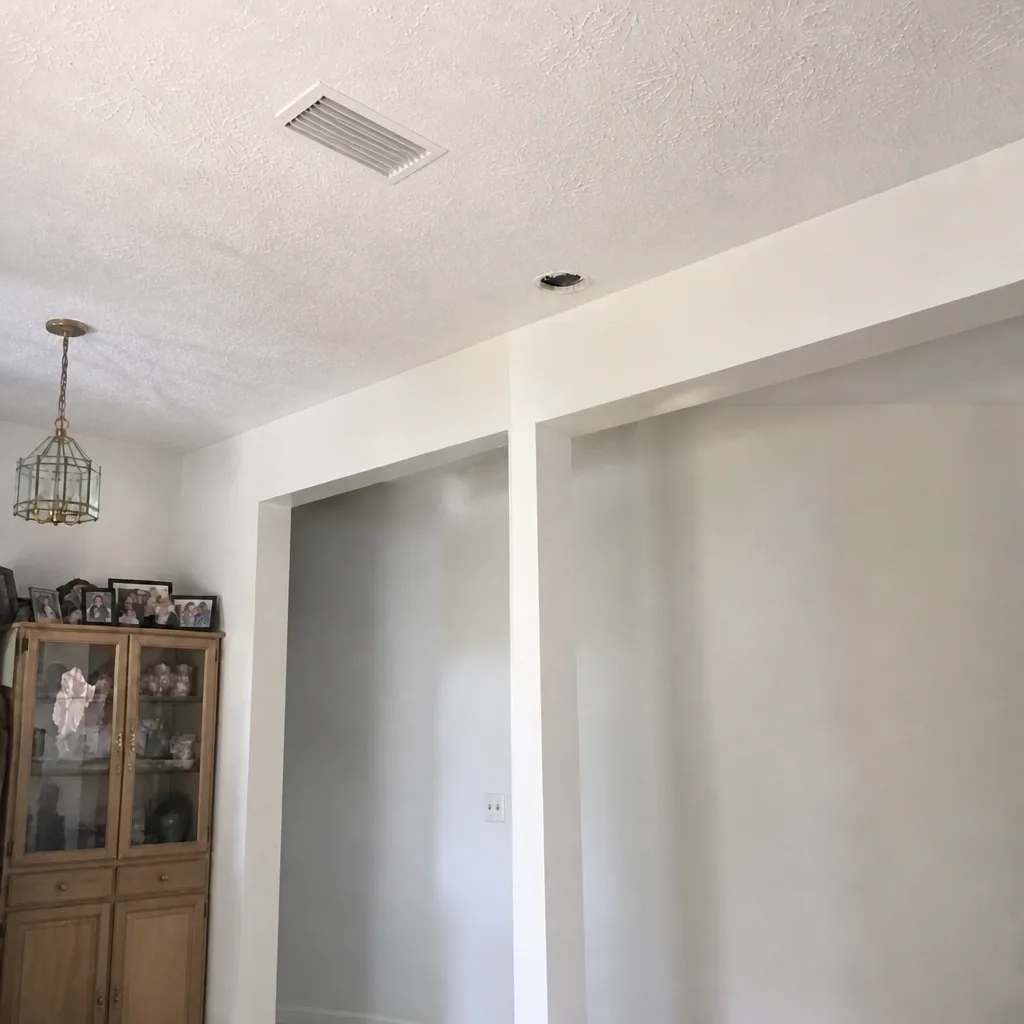 After
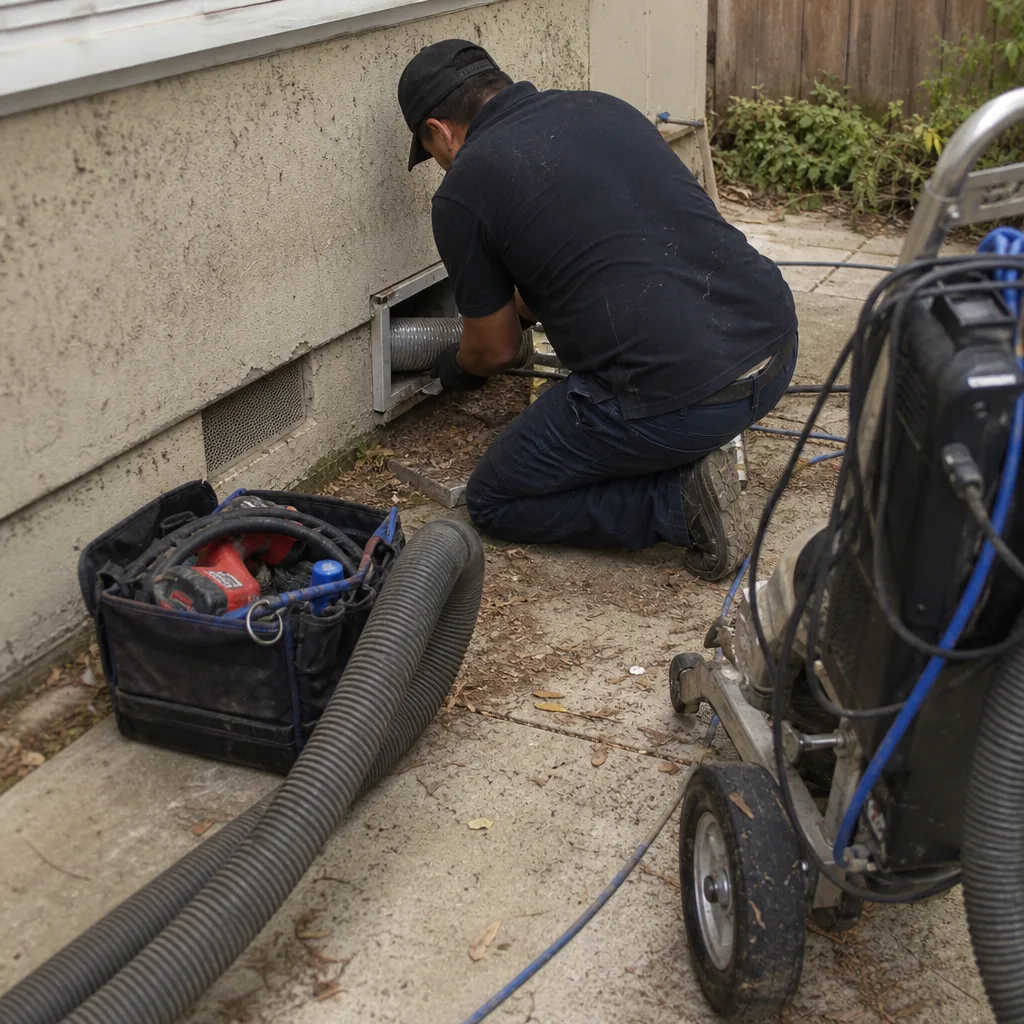 Before
 After
 Before
 After
When to Call a Professional
Call a professional when the work involves anything inside the duct system you can’t see, when a technician has recommended a repair and you’re not sure whether it requires a license or permit, or when the cleaning reveals damage that affects how your system runs. Also call if a dryer vent hasn’t been checked in a long time, if a previous owner’s duct work is undocumented, or if you’re preparing a home for sale in Salinas and want to establish clear records before the inspection stage. The equipment and the legal questions both matter, and a contractor who understands both is worth the call. Duct Cleaning Salinas offers free estimates in Salinas. Call (855) 360-8094. We answer 24/7. Fast dispatch from 7am to 7pm, Sunday through Friday. You can also visit Salinas for a full overview of the area and the service.
Frequently Asked Questions
No. Cleaning air ducts requires no building permit anywhere in California, including Salinas. Permits apply to repairs and modifications that alter the mechanical system, not to cleaning and maintenance. If a technician starts talking about a permit during a routine cleaning, that’s the moment to ask whether the scope has quietly changed.
A C-20 (Warm-Air Heating, Ventilating, and Air-Conditioning) license is the standard classification for duct repair connected to a home’s HVAC system. A C-38 (Refrigeration) license may apply in refrigeration-related scopes, and a General B license alone doesn’t substitute for the specific trade classification on standalone duct repair. Always verify the classification matches the work being done. For a free assessment of whether your duct work needs attention, call (855) 360-8094.
Ask for the license number in writing, then look it up on the CSLB website to confirm it’s active, in good standing, and carries the classification for the scope. Cross-check that the business name on the license matches the estimate. The lookup is free and public, and it takes a couple of minutes. Doing it before the technician arrives prevents being cornered with a decision on the spot.
It typically depends on whether the work modifies the mechanical system: adding runs, replacing significant sections, or rerouting ductwork usually requires a permit, while resealing an accessible joint or replacing a grille generally does not. The jurisdiction depends on your address, so confirm with the City of Salinas Building Department or Monterey County, whichever governs your property. Call (855) 360-8094 if you’re not sure what scope your duct system needs.
California disclosure obligations typically require you to disclose known unpermitted work during a sale, and the liability for that work generally falls on you as the current owner. A buyer’s inspection can surface the issue, and resolving it after the fact is far more complicated than documenting it correctly the first time. If you’ve bought a Salinas home with undocumented duct work, keeping permit records on any repair you authorize going forward is the cleanest way to establish the record. For an assessment of what your system needs, call (855) 360-8094. Estimates are free.
There’s no single rule that fits every home. Homes with pets, recent renovations, allergy concerns, or heavy dust buildup tend to benefit from more frequent attention, while others can go longer. The honest answer depends on what’s inside the system, which is why a professional inspection with real equipment tells you more than a calendar. Start with duct cleaning Salinas to see how a system assessment works, or call (855) 360-8094 for a free estimate.
The Bottom Line
Cleaning your ducts in Salinas doesn’t require a permit. Repairing or modifying them likely does, and it always requires a contractor holding the correct CSLB license classification for the scope. The line between the two is the single most important thing homeowners and property managers need to understand. Verify the license before work starts, confirm the permit question with the City of Salinas or Monterey County, and keep the documentation. For a thorough cleaning that’s honest about what it finds, with professional-grade Rotobrush and Nikro equipment and the option to address repair work when it’s needed, call Duct Cleaning Salinas at (855) 360-8094 for a free estimate. We answer 24/7. Fast dispatch from 7am to 7pm, Sunday through Friday.
Written by the team at Duct Cleaning Salinas.