
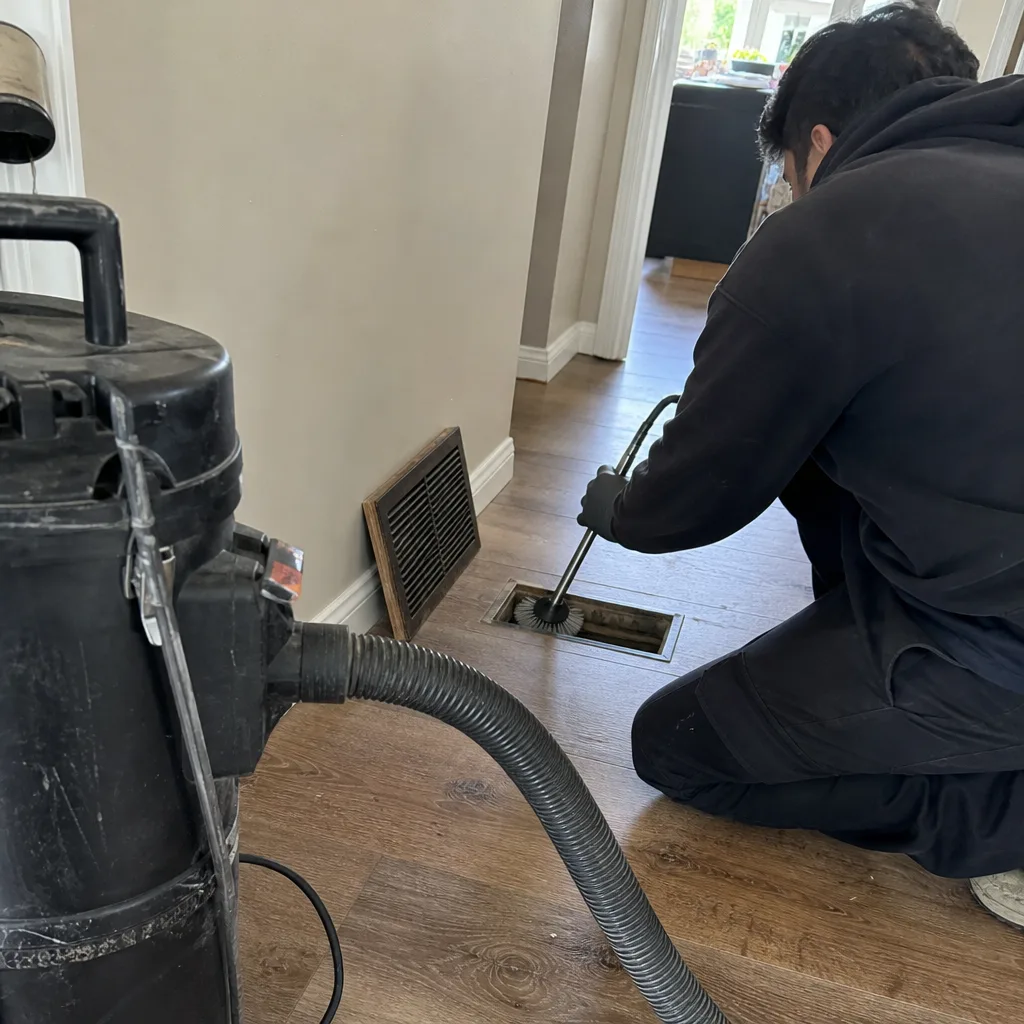
Last updated November 14, 2026
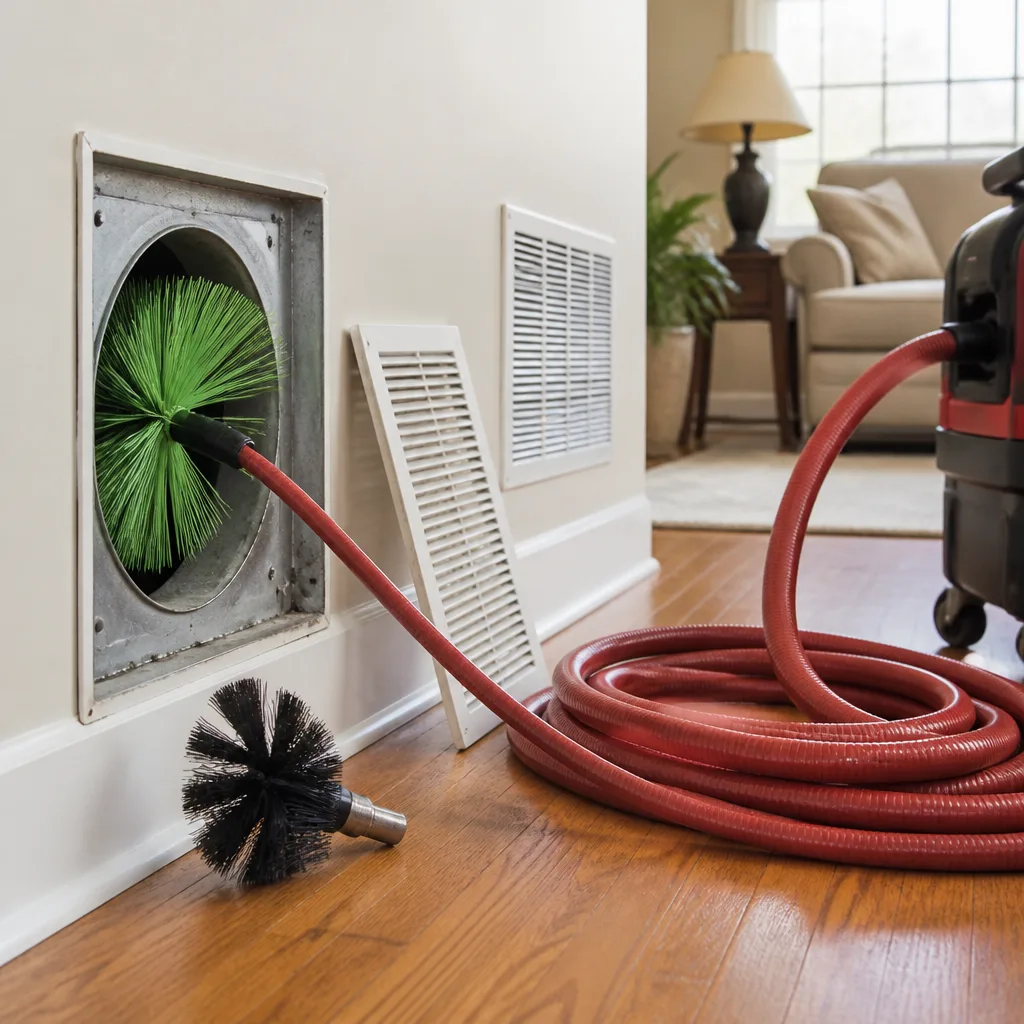 Whole-home duct cleaning
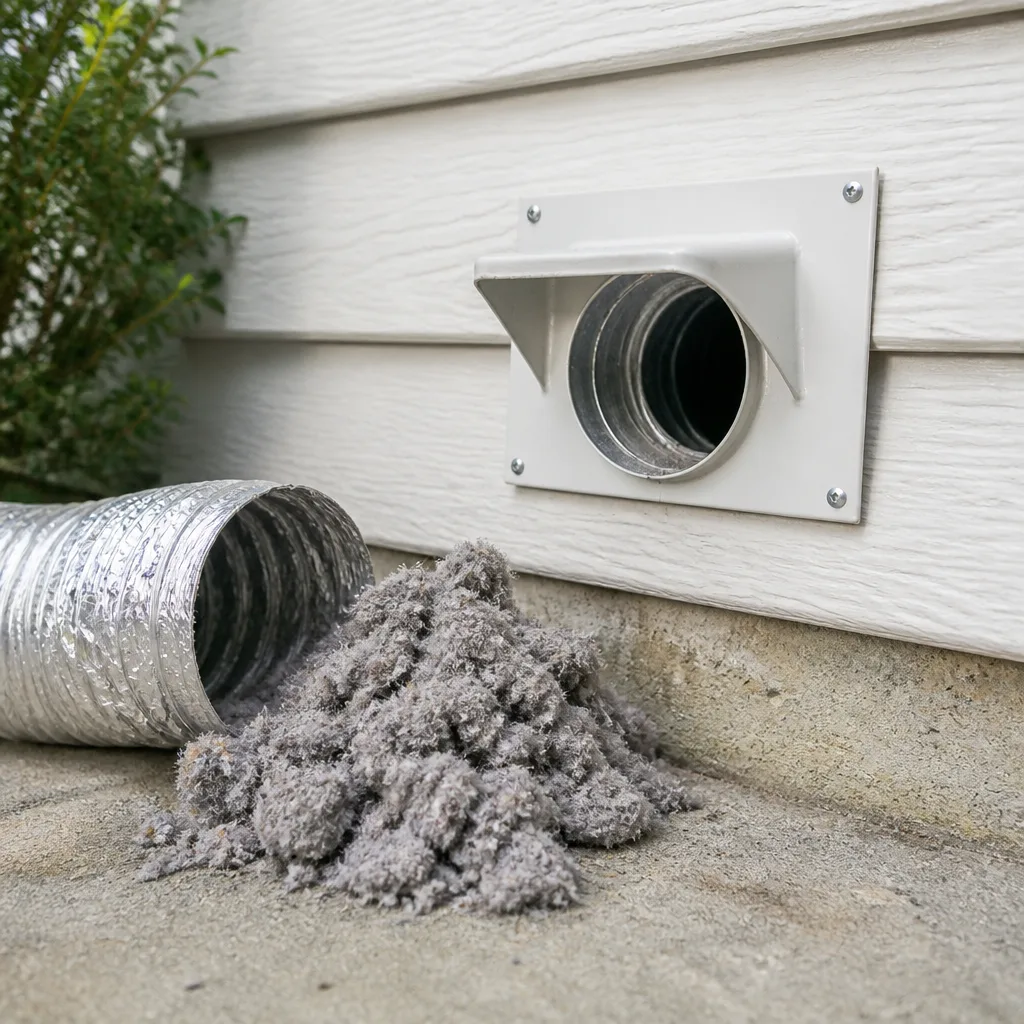 Dryer vent cleaning
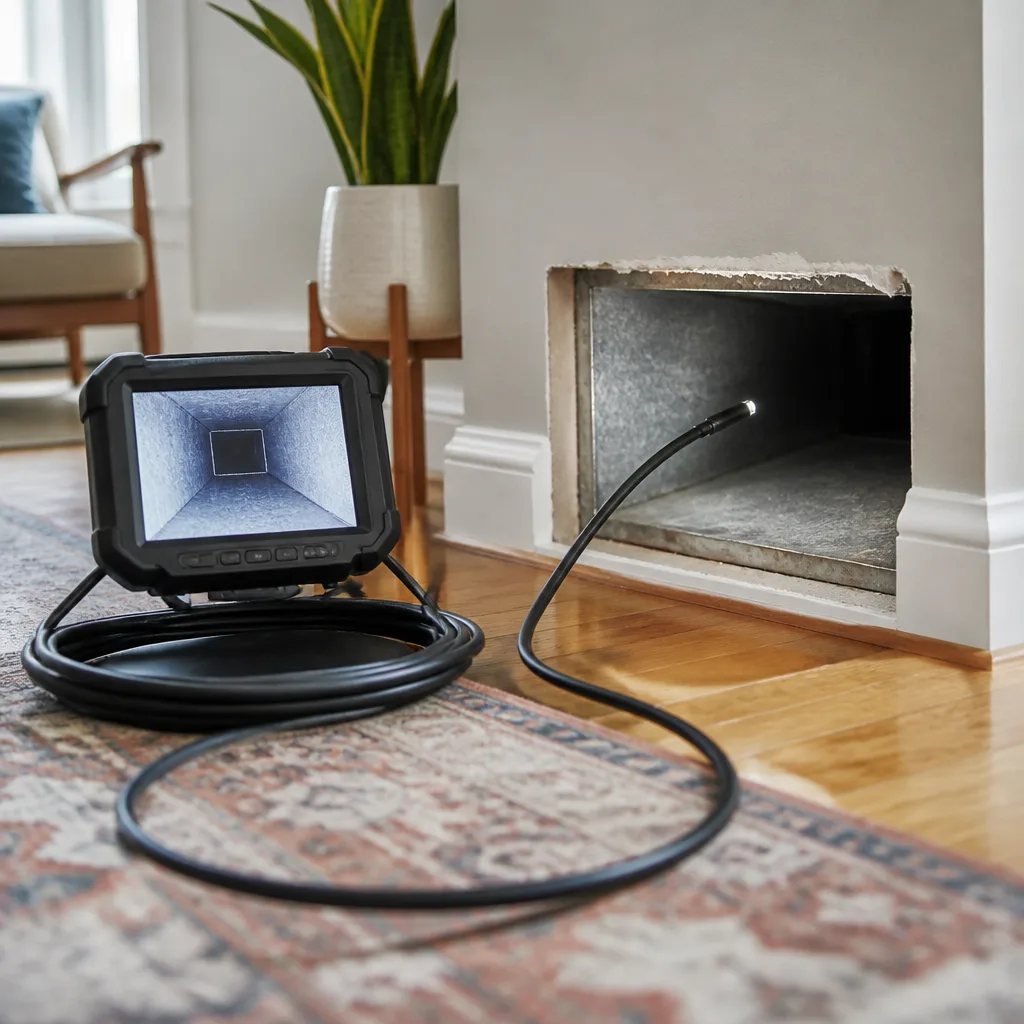 Camera inspection
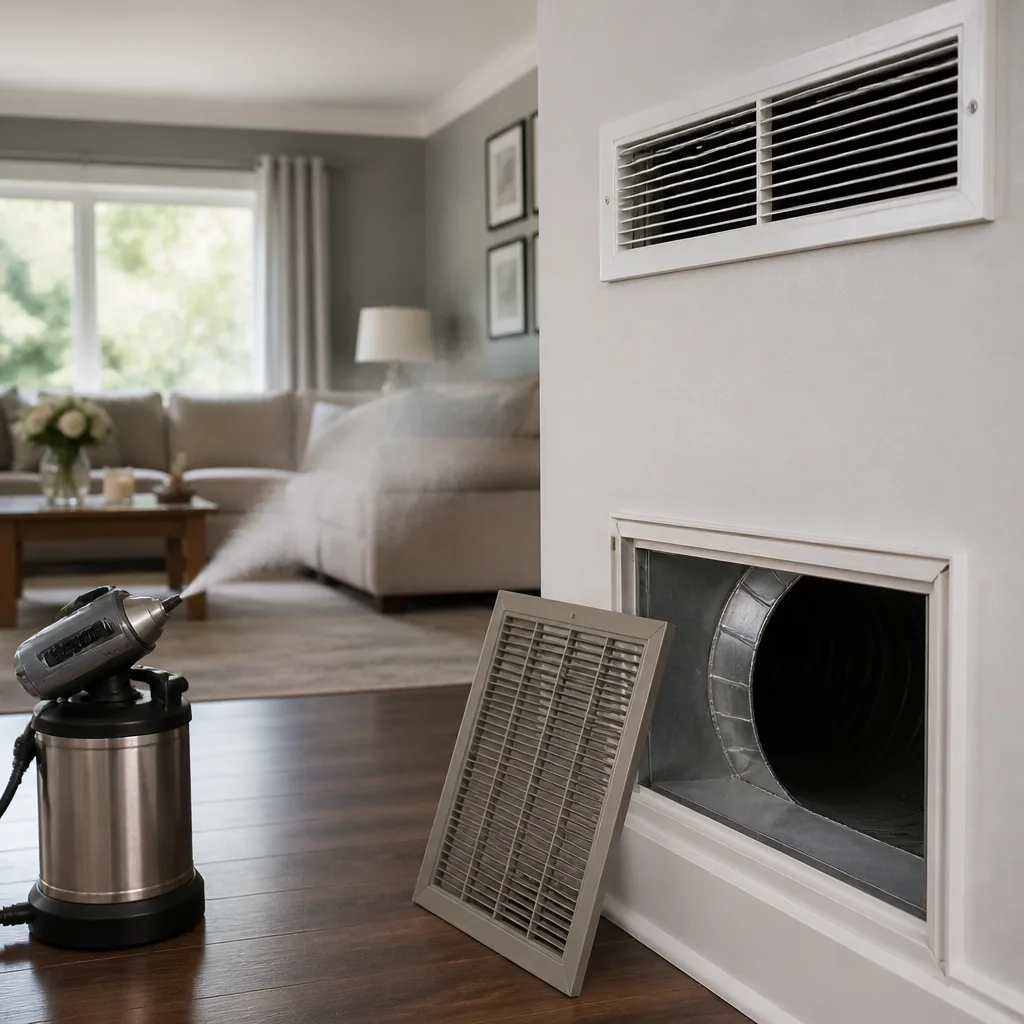 Sanitizing & deodorizing
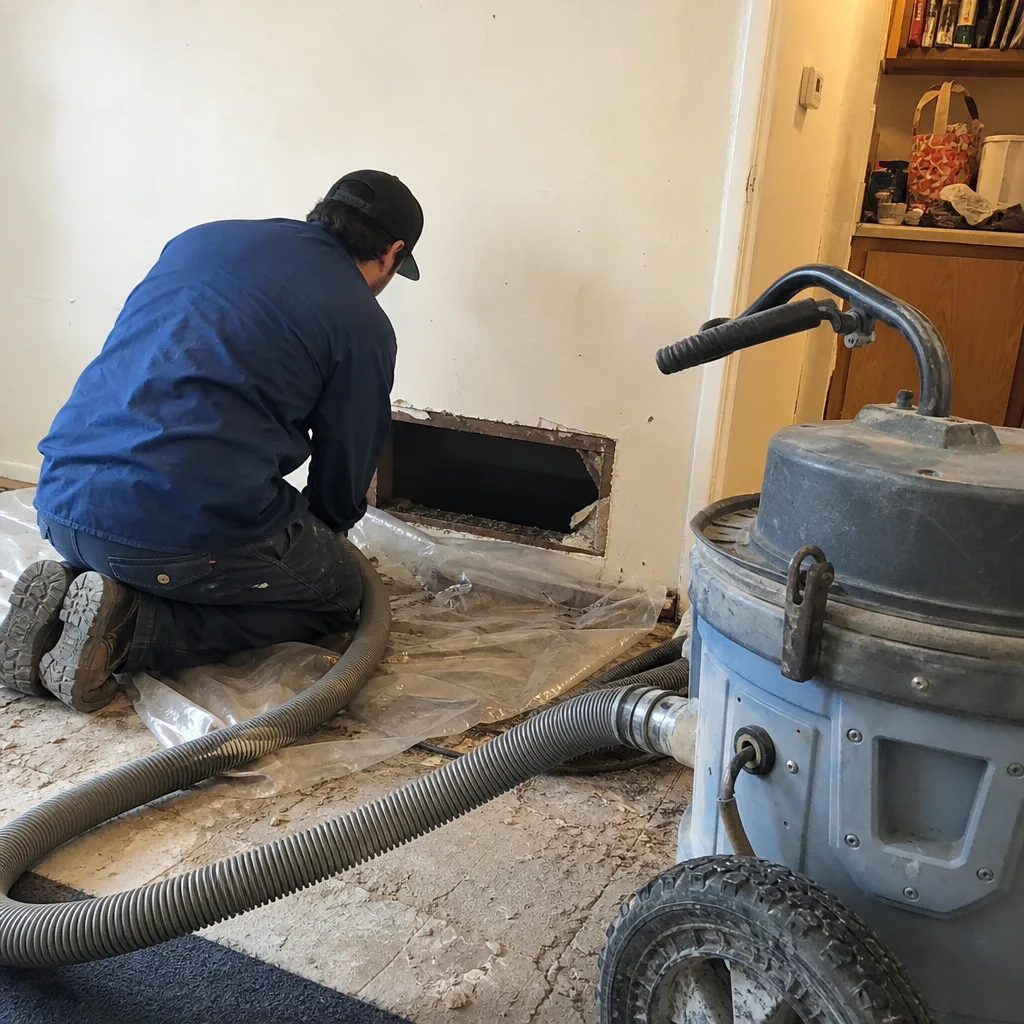
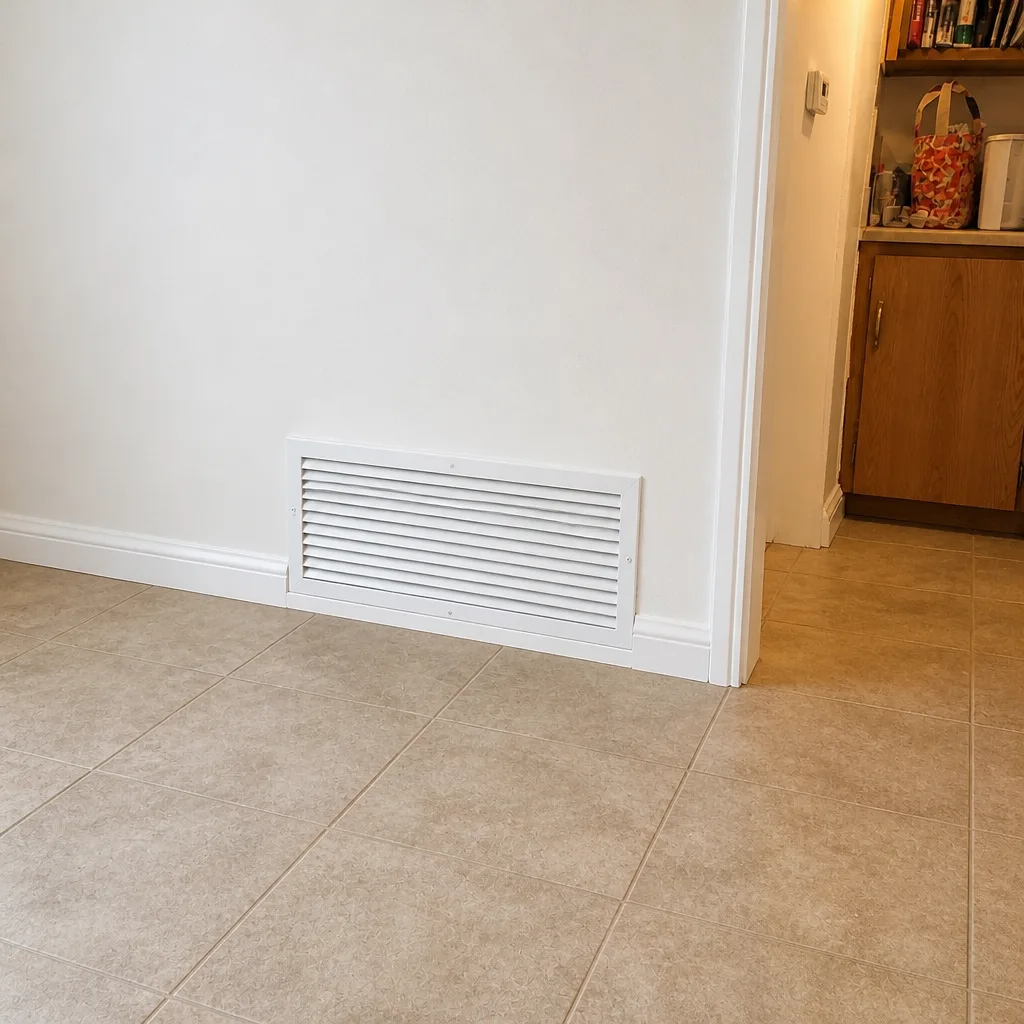
Whole-system duct and dryer vent check with before-and-after photos - you see exactly what came out of your vents
That "$99 whole-house special" is a bait ad - the real number appears once they are in your hallway, or the "clean" is a shop-vac at the register. We photograph the inside of your ducts before and after instead.
Air Duct Cleaning Emergency Preparedness Guide for Salinas Homes
Most homeowners think about their ducts only when something smells wrong or a filter looks gray. That’s backwards. In Salinas, the events that do the most damage to a duct system arrive on a schedule nobody controls: wildfire smoke from a fire hundreds of miles away, spray drift from a field a half-mile upwind, a roof leak that soaks attic insulation before anyone notices. Each one can push particulate or moisture into ductwork that then circulates through every room in the house. Waiting until the next scheduled cleaning can mean months of breathing compromised air. This guide walks through the specific scenarios Salinas homes face, what to do during each event, and how to prepare before the next one starts.
Quick Answer
If a smoke event, chemical drift, or water intrusion has affected your Salinas home, the right response depends on the event. For smoke, shut down the HVAC system once you smell it inside, seal windows and doors, and have the duct system assessed before you run it again. For chemical drift, same shutdown rule, and don’t run a system that pulls outdoor air until the odor clears. For water intrusion, act within 24 to 48 hours because mold can begin colonizing damp duct surfaces quickly. In every case, document what happened with photos and a written timeline – it’s what insurers ask for first.
Styles & brands we work with
- Whole-home duct cleaning
- Dryer vent cleaning
- Camera inspection
- Sanitizing & deodorizing
Table of Contents
- Post-Wildfire Smoke Protocol for Salinas Duct Systems
- Agricultural Spray Drift and What to Do When Chemical Odors Enter
- Water Intrusion: The 24-48 Hour Window Before Mold Takes Hold
- Pre-Event Preparedness: Filter Upgrades, Sealing, and Intake Controls
- Documenting Duct Damage for an Insurance Claim
- When to Call a Professional vs. Handle It Yourself
- Frequently Asked Questions
Post-Wildfire Smoke Protocol for Salinas Duct Systems
Wildfire smoke doesn’t stay where the fire is. During major fires elsewhere in California, smoke settles into the Salinas Valley and lingers in ways that surprise people who’ve lived here a long time. That’s because the valley traps air – cool marine air pushes in from the coast, warm air sits above it, and smoke particles hang in the space between. Days of haze are not unusual, and the fine particles that make up that haze are exactly the size that slips past standard filters and settles inside duct runs.
Most homeowners seal the house and run the HVAC system during a smoke event, assuming the filter is capturing what comes in. That assumption is only half right. Running the system pulls outdoor air in through the return, the filter catches some of it, and the rest is distributed into ductwork where it coats interior surfaces and settles into boots and plenum boxes. After the smoke clears, that residue stays put and re-enters the living space every time the system runs. The ducts were the problem, not the air outside.
Here’s the sequence we recommend during and after a smoke event:
- Before the smoke arrives: close every window and exterior door. Upgrade to a higher-MERV filter if your system can handle it (check your equipment’s filter rating – not all air handlers can manage a higher restriction).
- When smoke is visible outside: shut the HVAC off if you can still smell smoke inside. If the system has a fresh-air intake damper, close it. Running the fan continuously without fresh-air intake is usually fine; running it with outdoor air open pulls smoke directly into the system.
- When the smoke clears: run the system normally but check the filter within a few days – a filter loaded with smoke particulate loses airflow quickly and lets more of the fine ash past.
- Within a couple of weeks: have the duct system inspected by someone who can see the interior surfaces, not just the supply registers.
The equipment matters here. A shop-vac and a brush will not remove smoke residue that has bonded to sheet metal. We use Rotobrush and Nikro systems on every job, and during a smoke-recovery cleaning we run Abatement Technologies air filtration equipment to capture airborne particles before they settle again. That’s the same category of containment equipment used in mold-remediation work, and it’s what keeps the cleaning from redistributing what it just removed. If your air duct cleaning contractor doesn’t carry that level of filtration, ask why.
One more thing: the visible residue in a smoke-affected system often isn’t where you’d expect. The supply registers can look perfectly clean while the return trunk and plenum are coated. A proper inspection looks at both.
Agricultural Spray Drift and What to Do When Chemical Odors Enter
Salinas sits at the center of one of the most productive agricultural regions in the country, and living near working fields means living near pesticide and fertilizer applications. Most applications stay on target. But wind shifts happen, and when spray drifts toward a residential area, the smell can show up inside homes within minutes. If you can smell it inside, some of it has entered through the building envelope and, if the HVAC system is running, through the ducts.
The instinct is often to close the windows and let the system run while the odor passes. That’s the wrong move if the system has a fresh-air intake. What you want is a sealed house with the HVAC system off until the odor clears, not a sealed house with a fan pulling more of the same air in.
What to do during a drift event:
- Close windows and exterior doors immediately. Don’t open the house back up until the odor is gone entirely.
- Shut off the HVAC system, especially if it has an outdoor air intake. If you’re not sure whether it does, treat it as if it does.
- Don’t run bath fans or kitchen exhaust fans – they pull air (and whatever is in it) into the house through the path of least resistance.
- Note the time, the wind direction, and the nearest field. This information goes in your documentation.
- After the odor clears, run the system briefly and smell the supply air. If you still detect chemicals or an unusual odor, the system has pulled something in.
Not every drift event contaminates a duct system. Some do. The ones that matter are the ones where the odor lingered for hours, or where the system ran during the event. If that’s what happened, have the system assessed before you run it again. Odor that persists after the outdoor air clears is the signal that duct surfaces have absorbed something.
We work with whole-home air quality systems from Honeywell and Aprilaire, which include filtration and fresh-air controls. Understanding how those systems interact with ductwork is part of what our technicians do. If your home has a fresh-air controller and you’re not sure how it behaves during a drift event, that’s worth a conversation. Call (855) 360-8094 and we’ll walk through it. We answer 24/7.
Water Intrusion: The 24-48 Hour Window Before Mold Takes Hold
Water in ductwork is the most urgent of the three scenarios this guide covers, because the clock starts the moment the water hits. A roof leak that drips through attic insulation and into a supply trunk, an attic HVAC condensation pan that overflows, or a plumbing leak above a ceiling – each of these can soak duct surfaces and insulation before anyone notices. In a mild Salinas winter, condensation issues in attics aren’t caused by freezing temperatures, but by cool nights meeting warm, humid air inside a poorly ventilated attic. That contrast drives condensation onto cold duct surfaces, and continuous condensation is a water intrusion event too.
Mold can begin colonizing damp materials quickly. For duct surfaces that stay wet, the practical window to act is roughly 24 to 48 hours before you’re dealing with an active mold problem rather than a wet problem. Fiberglass duct liner is the worst offender – it soaks water, holds it, and provides exactly the conditions mold needs. Bare sheet metal dries faster but still harbors growth in seams and joints.
What to do when water reaches your ductwork:
- Stop the source. Fix the roof leak, shut off the overflowing equipment, or repair the plumbing. This sounds obvious but it’s the step most often rushed.
- Shut off the HVAC system. Don’t circulate air through wet ducts. Every minute you run it, you’re spreading moisture and potentially mold spores through the house.
- Dry the surrounding space. Ventilate the attic or the affected area, and get air moving around the outside of the ducts.
- Photograph everything before anything dries. Water stains, sagging insulation, visible moisture – this is the documentation your insurer will want.
- Have the duct system inspected within 24 to 48 hours. The inspector needs to look at interior surfaces, not just the exterior.
We carry air duct repair as one of our three core services – dryer vent cleaning and air duct cleaning being the other two – which means when we find a section of duct that has failed or needs to be replaced, we fix it on the same visit. You don’t get a cleaning report identifying a problem and a separate contractor to address it.
Pre-Event Preparedness: Filter Upgrades, Sealing, and Intake Controls
The best time to prepare for the next smoke season, drift event, or leak is now, when nothing is happening. Most of what protects a duct system during an emergency is installed beforehand.
Here’s what’s worth doing before the next event:
- Upgrade your filter – within your system’s limits. A higher-MERV filter catches more fine particulate, but only if your air handler can handle the increased restriction without losing airflow. Check your equipment specs or ask us; running too restrictive a filter on a system not designed for it strains the blower and doesn’t help air quality.
- Seal the duct system. Leaky ducts pull air from wherever the leak is – attic, crawlspace, garage – which during a smoke event means pulling smoke directly into the system. Sealing the obvious leaks in accessible areas is a meaningful preparedness measure.
- Identify any fresh-air intake. Most homeowners don’t know whether their system has one or how to close it. Find it now, before you need to shut it.
- Check attic ventilation. Good attic ventilation reduces condensation on duct surfaces during shoulder-season temperature swings.
- Know your filter size and keep a spare. During a smoke event, filter stock sells out quickly at local hardware stores. Having two on hand is a small thing that makes a difference.
- Have the duct system cleaned and inspected on a regular schedule so you know its baseline condition. A system that was clean and sound before an event is easier to assess afterward.
If your home has whole-home air quality equipment – Honeywell or Aprilaire controls, for example – go through the setup with someone who understands it. The outdoor air intake damper on a fresh-air controller is exactly the mechanism that matters during a smoke or drift event, and knowing how to close it is worth more than any filter upgrade on its own.
Documenting Duct Damage for an Insurance Claim
Insurance claims for duct damage succeed or fail on evidence. An adjuster can’t walk into an attic and know whether the duct system was affected by a smoke event or a leak three months later. What supports a claim is a clear record made near the time of the event.
What to capture:
- Photos of the event itself. Smoke haze inside the house, chemical odor conditions (hard to photograph, so a written note with the date and time is what you have), water staining at the point of intrusion.
- Photos of the ducts before anything is cleaned. Exterior inspection of accessible duct runs in attic or crawlspace. If there’s visible damage to insulation, sagging, or staining, photograph it.
- A written timeline. When the event occurred, when you noticed it, what you did (shut off the HVAC, closed windows, called someone), and when. Insurers want the sequence.
- A professional written report. An inspection report from a duct cleaning and repair company describing what was found, what was cleaned, and what was repaired carries more weight with an adjuster than a homeowner’s description. This is especially true because it identifies the scope of damage and gives the repair a professional estimate.
- Receipts and invoices for any emergency measure you took: filters, temporary repairs, drying equipment.
One note: how much your policy covers for duct contamination from a smoke or drift event versus a water intrusion depends on the policy. Water damage from a sudden leak is usually treated differently from long-term seepage, and some policies exclude gradual damage. What documentation can’t fix is coverage you don’t have – but it’s the difference between a clear claim and a contested one. Call (855) 360-8094 to schedule an inspection and we’ll provide the written report. Fast dispatch from 7am to 7pm, Sunday through Friday.
When to Call a Professional vs. Handle It Yourself
Some of the response to an emergency event is DIY by necessity: closing windows, shutting off the system, photographing damage. The assessment and cleaning are where the line gets crossed. You can’t inspect the far end of a supply run or the inside of a plenum box without the right equipment, and a homeowner who can’t see the contamination can’t know whether the system is safe to run again.
Call a professional in these situations:
- The HVAC system ran during a smoke or drift event and odor persists after the outdoor air clears.
- Water reached the ductwork – any amount – and the system has been shut off.
- You’ve never had the duct system inspected and you can’t remember when it was last cleaned.
- The house was built decades ago and the ducts are original galvanized steel or flex duct with questionable insulation.
- Someone in the household has asthma or allergies and the system seems to be triggering symptoms.
- You’re preparing an insurance claim and need a professional report.
Duct Cleaning Salinas offers free estimates in Salinas – call (855) 360-8094. Our technicians have up to 12 years of experience, we work with professional-grade Rotobrush and Nikro equipment, and if the cleaning turns up damage, we repair it on the same visit. You can also visit our Salinas page for more on what we do locally.
Frequently Asked Questions
Within a few weeks of the smoke clearing, or sooner if you can still smell smoke indoors after the outdoor air is clean. The key signal is persistent odor in the supply air when the system runs. If smoke cleared and the house smells normal, the risk is lower; if the smell lingers, the system has captured particulate that needs to come out. Call (855) 360-8094 for an exact quote – estimates are free.
Partially. A standard filter catches some smoke particulate but not the fine fraction that settles deepest in ducts. Running the system during a smoke event pulls contaminated air through the filter and distributes the rest. The safest approach is to shut the system off if you can smell smoke indoors, then have it inspected after the event.
Close windows and exterior doors, shut off the HVAC system (especially if it has fresh-air intake), and don’t run bath or kitchen exhaust fans. Note the time, the wind direction, and the nearest field for documentation. After the odor clears, run the system briefly and smell the supply air. If odor persists, have the system assessed.
Mold can begin colonizing damp duct surfaces within 24 to 48 hours. Fiberglass duct liner is the most vulnerable material because it holds moisture. If water reaches your duct system, shut off the HVAC immediately, photograph the damage, and have the ducts inspected inside that window.
Usually because the equipment is consumer-grade or the job is surface-only. A shop-vac and a brush can’t remove bonded smoke residue, can’t reach plenum surfaces effectively, and don’t include containment filtration. We price per system by written estimate, not per vent, and we use Rotobrush and Nikro systems on every job with Abatement Technologies air filtration running during the cleaning. A quote that’s dramatically lower reflects a different scope of work. Call (855) 360-8094 for a comparison quote – estimates are free.
It depends on the policy. Many policies cover sudden-event damage but exclude gradual contamination, and the difference usually comes down to documentation. Photograph the event as it’s happening, note the date and time, and request a written professional inspection report before you file. That report makes the conversation with your adjuster concrete.
Common Mistakes to Avoid
- Running the HVAC system during a smoke event because “the filter will catch it.” A standard filter catches some particulate but not the fine fraction that settles deep in the system. Running the system during a smoke event distributes the problem rather than resolving it.
- Closing windows and running the system during agricultural chemical drift. Sealing the house is correct; running the system is not, unless you’ve confirmed the fresh-air intake is closed.
- Waiting to shut off the HVAC after a water intrusion. Every minute the system runs through wet ducts spreads moisture and potentially mold spores through the house. The shutoff should happen within minutes, not hours.
- Skipping photographs until the repair crew arrives. Insurers want documentation of the condition as it was, not as it looked after cleaning. Photograph first, clean second.
- Hiring a duct cleaner who can clean but can’t repair. When a compromised section of duct turns up, you want the same visit to resolve it, not a handoff to another contractor and another schedule.
- Assuming a visual check of the supply registers counts as an inspection. Smoke residue and water damage often show up in the return trunk and plenum, not at the registers.
- Putting off a filter upgrade until the week a smoke event begins. Filters sell out during a smoke event. Keep a spare on hand before the season starts.
See the difference
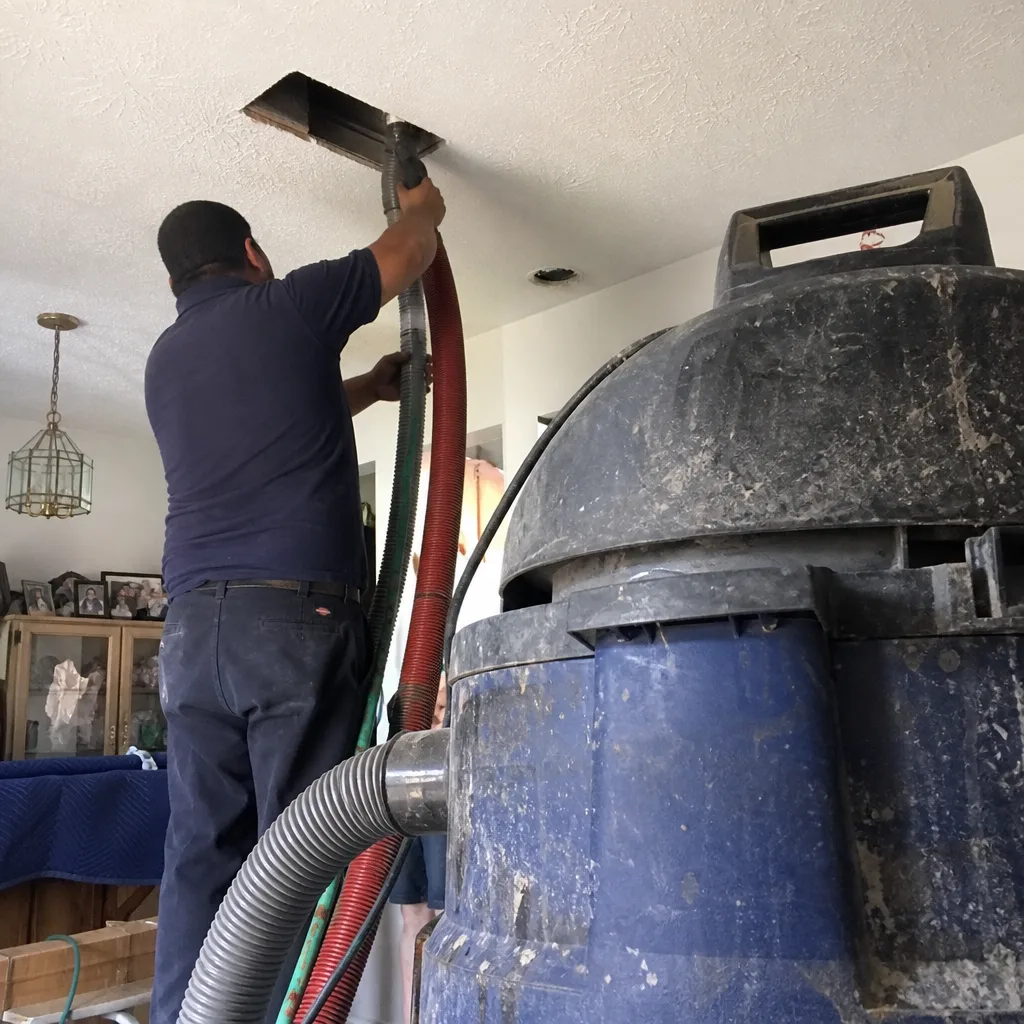 Before
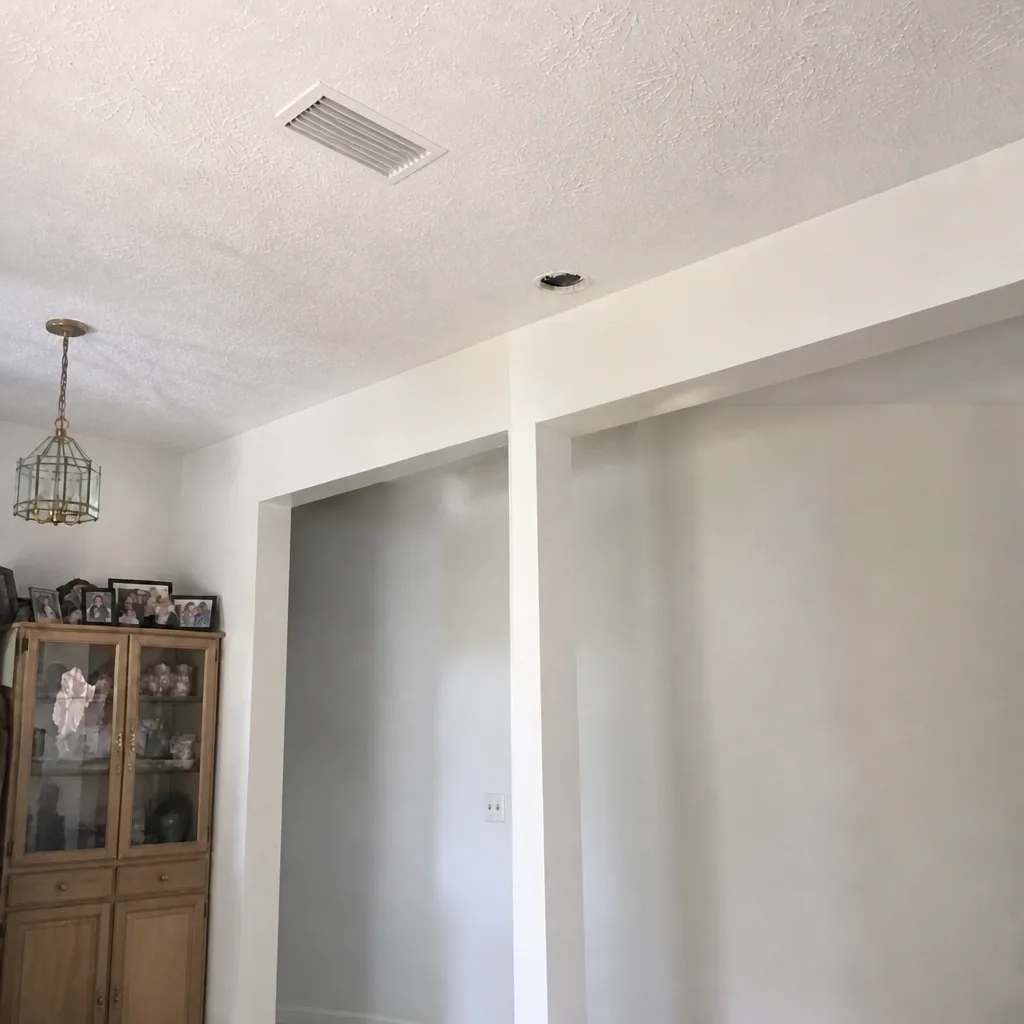 After
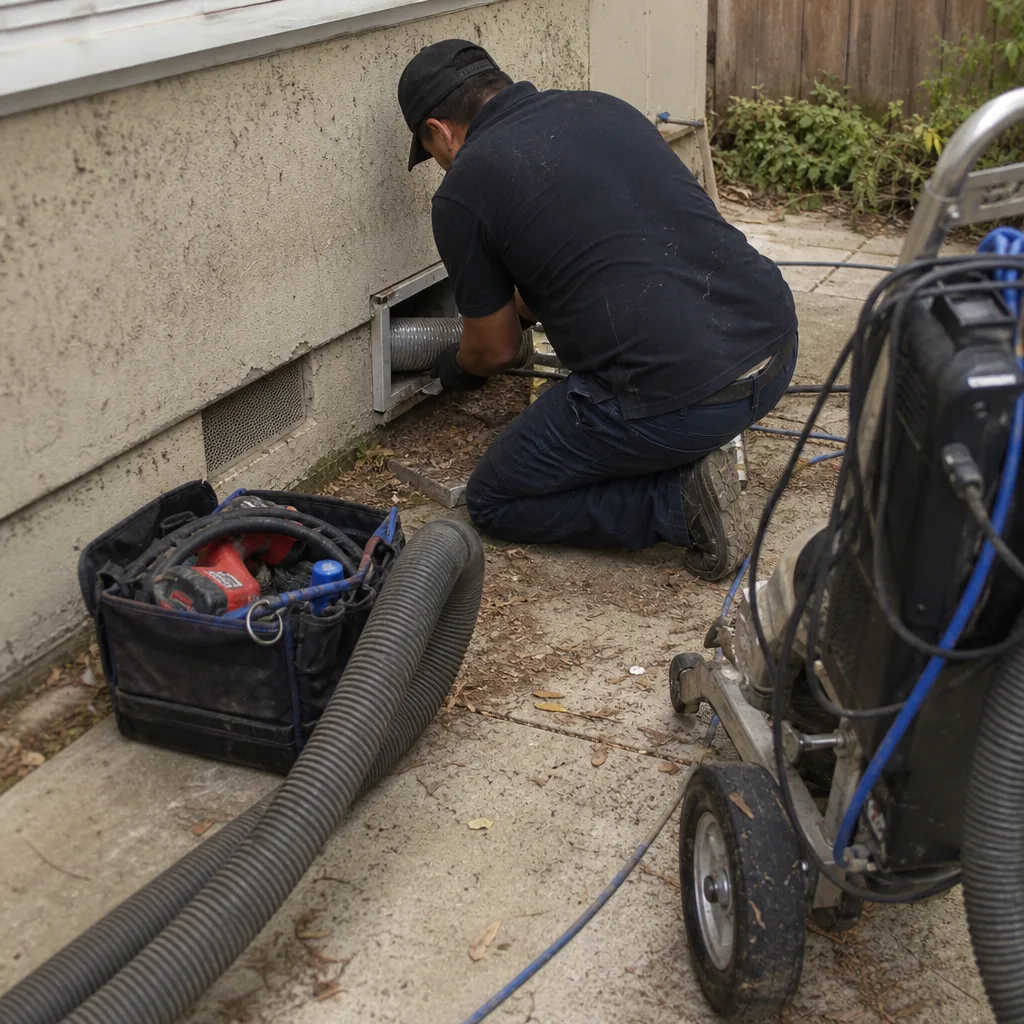 Before
 After
 Before
 After
Preparing Salinas Homes for the Next Event
The emergencies this guide covers don’t announce themselves. Smoke from a distant fire, drift from a nearby field, water from a leak nobody saw – each arrives on its own schedule. What a homeowner can control is the response. Know how to shut the system off, know whether your home has fresh-air intake, keep filters on hand, document what you see, and have the ducts assessed when an event reaches them. Regular duct maintenance is the baseline that makes an emergency response faster, because you already know your system’s condition before something changes it.
The Bottom Line
Wildfire smoke, agricultural spray drift, and water intrusion each affect a duct system in a different way, and each requires a different response. Shut the system off during a smoke event, seal the house during a drift event, and act within 24 to 48 hours after a water intrusion. Document everything with photographs and a written timeline – it’s what insurers need. Prepare before the next event with filter upgrades, duct sealing, and knowing how your intake controls work. When the assessment turns up smoke residue or damaged ductwork, professional cleaning with proper containment equipment is what actually resolves it. Our technicians have up to 12 years of experience cleaning and repairing duct systems across the region.
If you’ve had an event affect your duct system, don’t wait for the next scheduled cleaning. Call (855) 360-8094 for a free estimate. We answer 24/7. Fast dispatch from 7am to 7pm, Sunday through Friday.
Written by the team at Duct Cleaning Salinas.